Politics & Government
EPA to allow oil companies to pump waste into rivers, streams ?
Industry seeks to allow drillers to discharge directly into the rivers from which communities draw their water

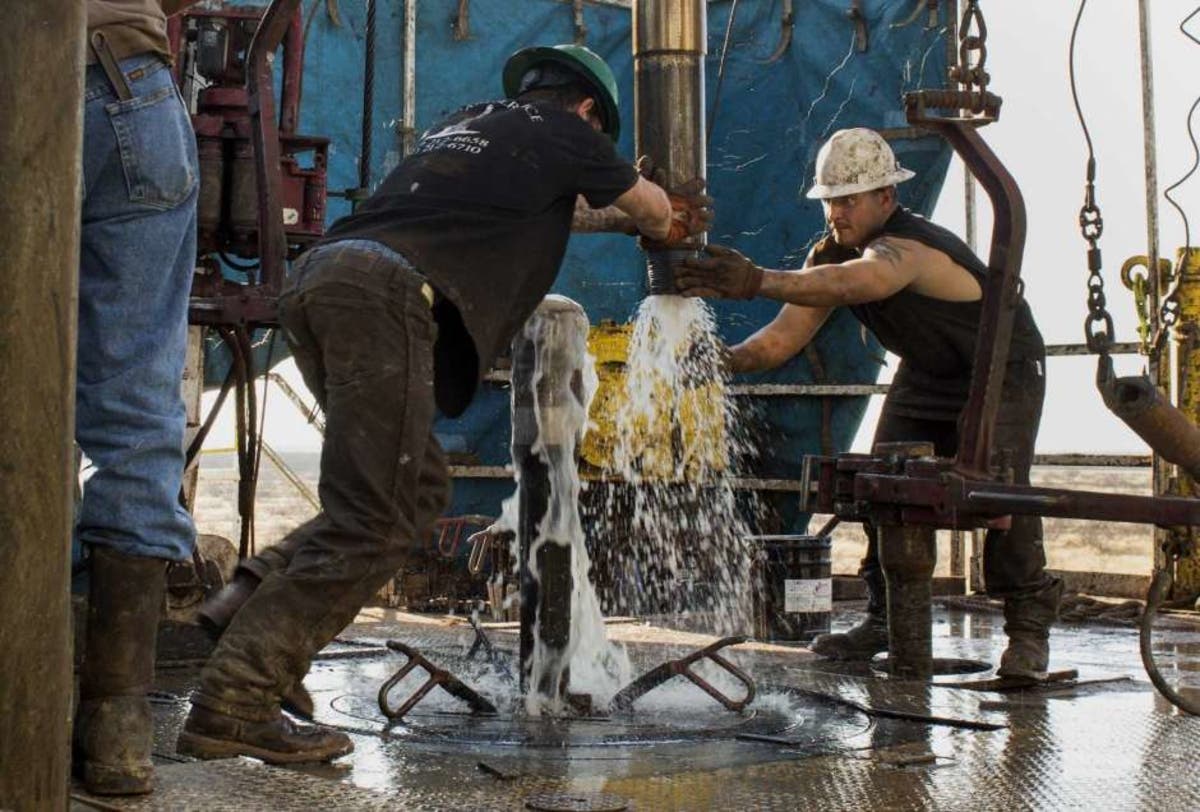
WASHINGTON — For almost as long as there have been oil wells in the South, drillers have pumped the vast quantities of brackish by-product back into underground wells thousands of feet beneath the earth’s surface.
But as the shale drilling boom has grown, so has the problem of what to do with those huge volumes of wastewater. On average, for every barrel of oil, four or five barrels of wastewater are produced.
Now, the Trump administration is examining whether to adjust decades-old federal clean water regulations to allow drillers to discharge wastewater directly into rivers and streams – the same rivers and streams from which communities draw their water supplies.
Find out what's happening in Oklahoma Cityfor free with the latest updates from Patch.
Although drillers are currently allowed to do this in very limited circumstances, the process of cleaning toxic and chemically-laden wastewater to the point it would meet state or federal water standards is so costly it’s rarely done, experts say.
“If you’re having to truck water to be disposed of several hundred miles away, companies will do it,” said Jared Craighead, legal counsel to Texas Railroad Commissioner Ryan Sitton. “It might not make sense today but maybe in a year or two.”
Find out what's happening in Oklahoma Cityfor free with the latest updates from Patch.
The Environmental Protection Agency is consulting with experts and conducting public meetings around the country toward making a decision next summer, said Lee Forsgren, deputy assistant administrator at EPA’s Office of Water, Tuesday in Washington. “We’re very much in a listening mode now,” he said.
The primary question facing the EPA is whether water standards can be adjusted so oil and gas companies can economically treat wastewater to be pumped into the water supply without contaminating drinking water supplies or killing off local wildlife.
In 2016, the EPA banned municipal sewage plants from accepting wastewater associated with hydraulic fracturing after it was discovered that in Pennsylvania, water was sent to plants not equipped to properly clean it. Amid that state’s fracking boom, residents along the Monongahela River in western Pennsylvania were advised to use bottled drinking water.
“It would be so difficult to (treat the wastewater) because there’s so much we don’t know,” said Nichole Saunders, an attorney with the Environmental Defense Fund in Austin. “There’s only a handful of research papers. We don’t have approved testing methods. The complicating factor here is there’s not really the science and data to inform EPA.”
In Washington, lobbyists for the oil and wastewater industries are pushing hard to loosen regulations. Their primary case to the EPA is that the treated wastewater could provide a valuable resource in drought-ravaged areas with potential uses for agriculture and industry, and even drinking water supplies.
“It’s an opportunity that could have some really good benefits, particularly in areas that need water,” said Lee Fuller, executive vice president of the Independent Petroleum Association of America. “At this point all that water is just going back in the ground.”
But Andrew Grinberg of the environmental group Clean Water Action sees things differently. “If this study is not done correctly and they don’t put the proper treatments in place, it would be a major step backward,” he said. “The concern (is) that it is window dressing that will give them cover to weaken the rules.”
This story was first reported by James Osborne and appeared in the Houston Chronicle
Image courtesy Brittany Sowacke / Bloomberg