Politics & Government
Parking Meters, Born In Oklahoma City, Operating On Borrowed Time
The ubiquitously hated coin-eating device was born more than 80 years ago in Oklahoma City. But their guts date to the 1960s and 1970s.

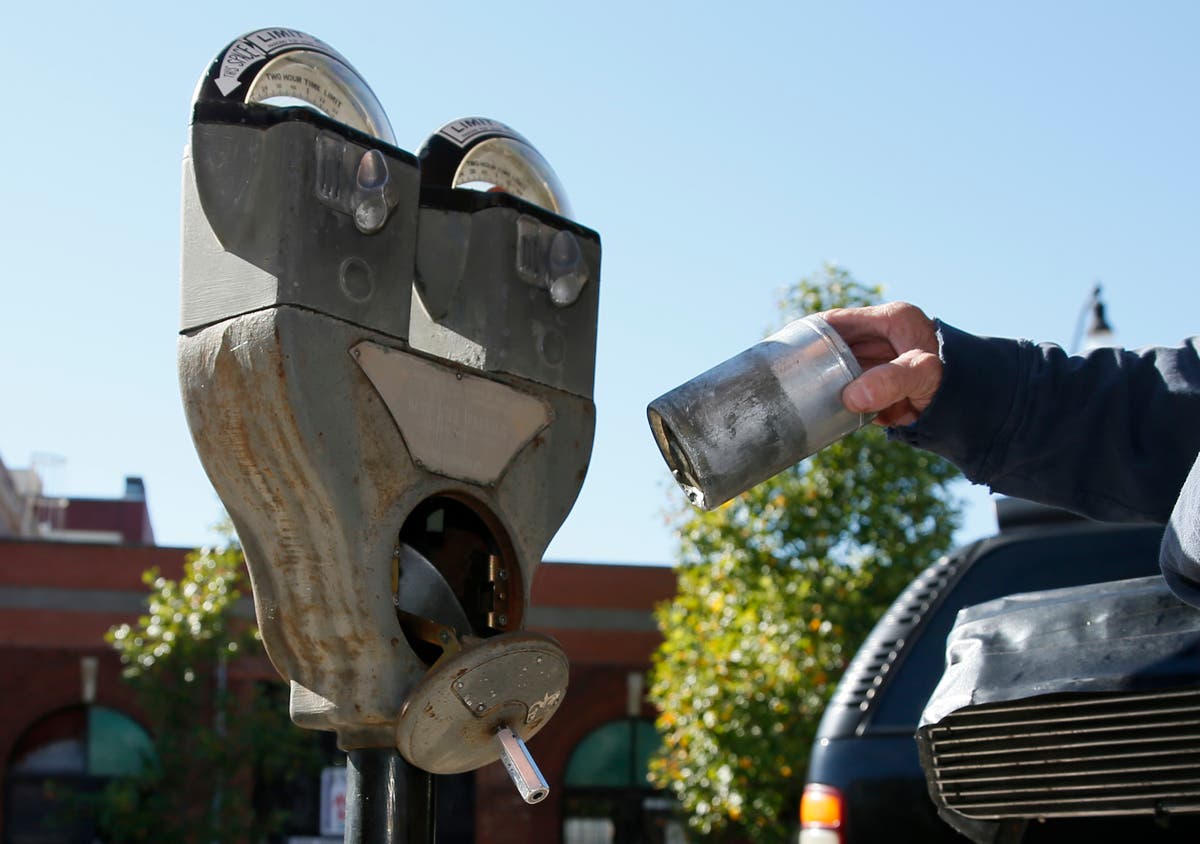
OKLAHOMA CITY, OK — Parking meters were born more than 80 years ago in Oklahoma City, but more and more cities around nationwide are abandoning the coin-gobbling devices in favor of computerized machines — and Oklahoma City is joining them.
Parking meters came into the fold when streetcars gave way to automobiles, remaking urban transportation and the way civic planners and business owners imagined commerce centers for more than three generations. But old-school analogue meters have been phased out as cities invest in digital ones that take plastic and loose change.
Technology advances meant Oklahoma City's parking meters were operating on borrowed time. Their guts date to the 1960s and 1970s, and many companies that once serviced them have long been out of business.
Find out what's happening in Oklahoma Cityfor free with the latest updates from Patch.
"The companies just plain and simple don't support the technology anymore," says Cory Hubert, Oklahoma City's parking services manager.
This oil-and-gas hub's new solar-powered kiosks feature a "pay-by-plate" system, though it will still have some older models through the end of the year.
Find out what's happening in Oklahoma Cityfor free with the latest updates from Patch.
Motorists' mostly hate-hate relationship with the parking meter began in 1935, when the first one sprouted here. The collective rage, like most things, worked its way into popular culture.
Paul Newman's beer-swigging title character in the 1967 movie "Cool Hand Luke" lops the heads off parking meters lining a nearly deserted downtown drag.
"It was an iconic opening scene; it was this act of rebellion," says Bob Blackburn, executive director of the Oklahoma Historical Society, where the inaugural Park-O-Meter No. 1 is on display. "That director knew that everyone hated parking meters."
A pain, maybe, but Blackburn said their influence can't be overstated.
"The parking meter is a perfect example of a pivot point on how people got around in American urban areas," he said. "It sparked a renaissance in our inner cities."
As automobiles became more common, downtown traffic jams irked merchants. Store owners complained that most of the cars parked near their storefronts were owned by people who worked downtown, alienating potential customers.
Commerce won out, and the parking meter was born, in part, to keep traffic moving.
Millions of meters began springing up in cities throughout the United States. Cities came to rely on the steady revenue from the meters — and the fines for failing to pay— to pad coffers.
Those fines aren't going away. Nor are Oklahoma City's five meter readers, much to the chagrin of 20-year-old barista Marina Lozano, who says "they're so ruthless."
And not everyone thinks newer is better. Stay-at-home dad Will Cross was hunched over one of the new units on a recent afternoon, trying to find out where his ticket was before the machine finally spit one out.
"I like the older ones better," Cross said. "A lot of people don't understand the computers. I'm 48 and I don't understand it."
By JUSTIN JUOZAPAVICIUS, Associated Press
Photo credit: Sue Ogrocki/Associated