Politics & Government
AG Hunter Calls On Congress To Keep Fentanyl A Schedule 1 Drug
Joins bipartisan coalition of 56 AGs calling on Congress to permanently classify Fentanyl-related substances as Schedule 1

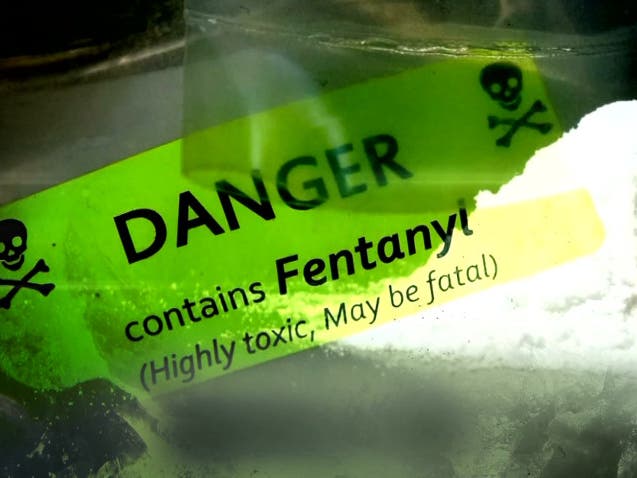
OKLAHOMA CITY – Attorney General Hunter today joined a bipartisan coalition of attorneys general from across the country in calling on Congress to approve legislation that would permanently classify illicitly manufactured fentanyl and related substances as Schedule 1 drugs.
Schedule 1 drugs, such as heroin, LSD and ecstasy, are defined as drugs with no currently accepted medical use and a high potential for abuse.
The legislation, known as the Federal Initiative to Guarantee Health by Targeting (FIGHT) Fentanyl Act, would codify the Drug Enforcement Agency’s (DEA) 2018 temporary order that is set to expire in February. The FIGHT Fentanyl Act would ensure law enforcement agencies and the courts have the tools needed to keep those who traffic this deadly substance off the streets.
Find out what's happening in Tulsafor free with the latest updates from Patch.
Fentanyl is a synthetic opioid that is up to 100 times stronger than morphine. Recent cases of fentanyl-related overdose deaths are linked to illegally made fentanyl. These illicit drugs are often mixed with heroin or cocaine and sold as combined products to increase euphoric effects.
“Fentanyl should only be used when prescribed and closely monitored by a doctor,” Attorney General Hunter said. “Simply put, illicit fentanyl kills. Entire communities are being devastated across the United States because of its rise. Passing this bill will give the law enforcement community clarity as they continue working to curb the production and distribution of fentanyl-related substances. My colleagues and I look forward to the swift passage of the FIGHT Fentanyl Act by Congress.”
Find out what's happening in Tulsafor free with the latest updates from Patch.
Until 2018, fentanyl trafficking was not in the state’s criminal code. The Oklahoma Commission on Opioid Abuse made criminalizing the trafficking of fentanyl among its top priorities, and Oklahoma Senate Bill 1078, which accomplished that, was the first piece of legislation recommended by the commission signed into law by the governor.
In the most recent data available from the Centers for Disease Control and Prevention, of the 72,000 drug-related deaths in the United States in 2017, around 40% involved fentanyl or a fentanyl-related compound.
Attorneys general from every state, territory and the District of Columbia signed the letter.
The letter can be viewed at: http://www.oag.ok.gov/Websites/oag/images/NAAG%20-%20Support%20for%20FIGHT%20Act%20Letter.pdf