Politics & Government
Climate change: CO2 emissions are rising again, says new report.
Nations must triple efforts to reach 2°C target, concludes annual review of global emissions, climate action.

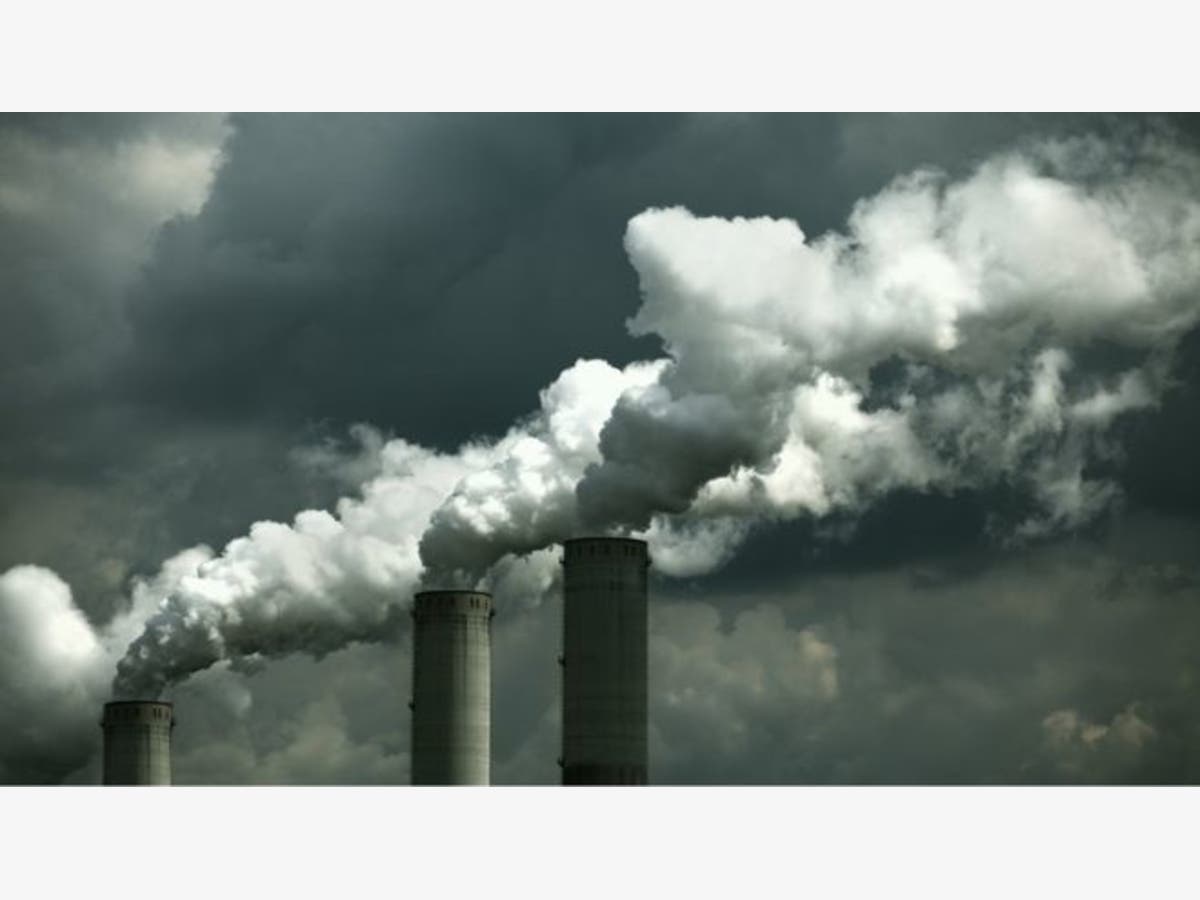
Global emissions are on the rise as national commitments to combat climate change come up short, according to a report released in Paris today. But surging momentum from the private sector and untapped potential from innovation and green-financing offer pathways to bridge the emissions gap.
Those findings along with a sweeping review of climate action and the latest measurements of global emissions are contained in the 2018 Emissions Gap Report, published today by UN Environment, the United Nations Environment Programme.
The report’s key findings are :
Find out what's happening in Tulsafor free with the latest updates from Patch.
- It is still possible to keep global warming below 2°C, but the technical feasibility of bridging the 1.5°C gap is dwindling.
- Global CO2 emissions increased in 2017, after a three-year period of stabilization.
- If the emissions gap is not closed by 2030, it is extremely unlikely that the 2°C temperature goal can still be reached.
The report presents a definitive assessment of the so-called 'emissions gap' – the gap between anticipated emission levels in 2030, compared to levels consistent with a 2°C / 1.5°C target.
The findings offer the latest accounting of national mitigation efforts and the ambitions countries have presented in their Nationally Determined Contributions, which form the foundation of the Paris Agreement.
Find out what's happening in Tulsafor free with the latest updates from Patch.
With a key climate conference due to begin in Poland next week, the report underlines that global emissions have reached historic levels, with no signs of peaking – the point when emissions switch from increasing to decreasing. The report suggests that only 57 countries are on track to do so by 2030 – that figure representing just 60% of global emissions.
When compared against the Paris Agreement that analysis makes clear that the current pace of national action is insufficient to meet the Paris targets. Increased emissions and lagging action means the gap number in this year’s report is larger than ever. The authors conclude that nations must triple their ambitions if they are indeed to reach those 2°C targets.
“If the IPCC report represented a global fire alarm, this report is the arson investigation,” said UN Environment Deputy Executive Director Joyce Msuya. “The science is clear; for all the ambitious climate action we’ve seen – governments need to move faster and with greater urgency. We’re feeding this fire while the means to extinguish it are within reach.”
A continuation of current trends will likely result in global warming of around 3°C by the end of the century, with continued temperature rises after that, according to the report findings.
While the authors highlight that there is still a possibility for bridging the emissions gap and keeping global warming below 2°C, the assessment issues a clear warning: The kind of drastic, large-scale action we urgently need has yet to been seen.
To fill that void the report offers new insight into what meaningful climate action will look like.
“When governments embrace fiscal policy measures to subsidize low-emission alternatives and tax fossil fuels, they can stimulate the right investments in the energy sector and significantly reduce carbon emissions.” said Jian Liu, UN Environment’s Chief Scientist.
“Thankfully, the potential of using fiscal policy as an incentive is increasingly recognized, with 51 carbon pricing initiatives now in place or scheduled, covering roughly 15% of global emissions. If all fossil fuel subsidies were phased out, global carbon emissions could be reduced by up to 10 percent by 2030.”
UN Environment is the leading global voice on the environment. It provides leadership and encourages partnership in caring for the environment by inspiring, informing, and enabling nations and peoples to improve their quality of life without compromising that of future generations. UN Environment works with governments, the private sector, civil society and with other UN entities and international organizations across the world.
The ley messages from the report can be viewed at : https://www.unenvironment.org/resources/report/emissions-gap-report-2018-key-messages
(Image courtesy Getty Images)