Community Corner
Get To Know Your Neighbors: Muslim Cultural Festival July 8
Hosted by the Muslim Educational Trust, the downtown festival promises to offer food, music, art, and entertainment for all ages and faiths.


TIGARD, OR — Since 1993, the Muslim Education Trust in Tigard has worked to break down barriers between the Muslim and non-Muslim communities throughout the Portland metro area. On Saturday, that mission continues at downtown Portland’s Director Park.
From 11 a.m. to 5 p.m. July 8, the Muslim Education Trust (MET) will host its inaugural Portland International Muslim Cultural Festival at 877 S.W. Taylor St., inviting residents throughout the region to establish a better understanding of each other over the sharing of dialogue, music, food, and art.
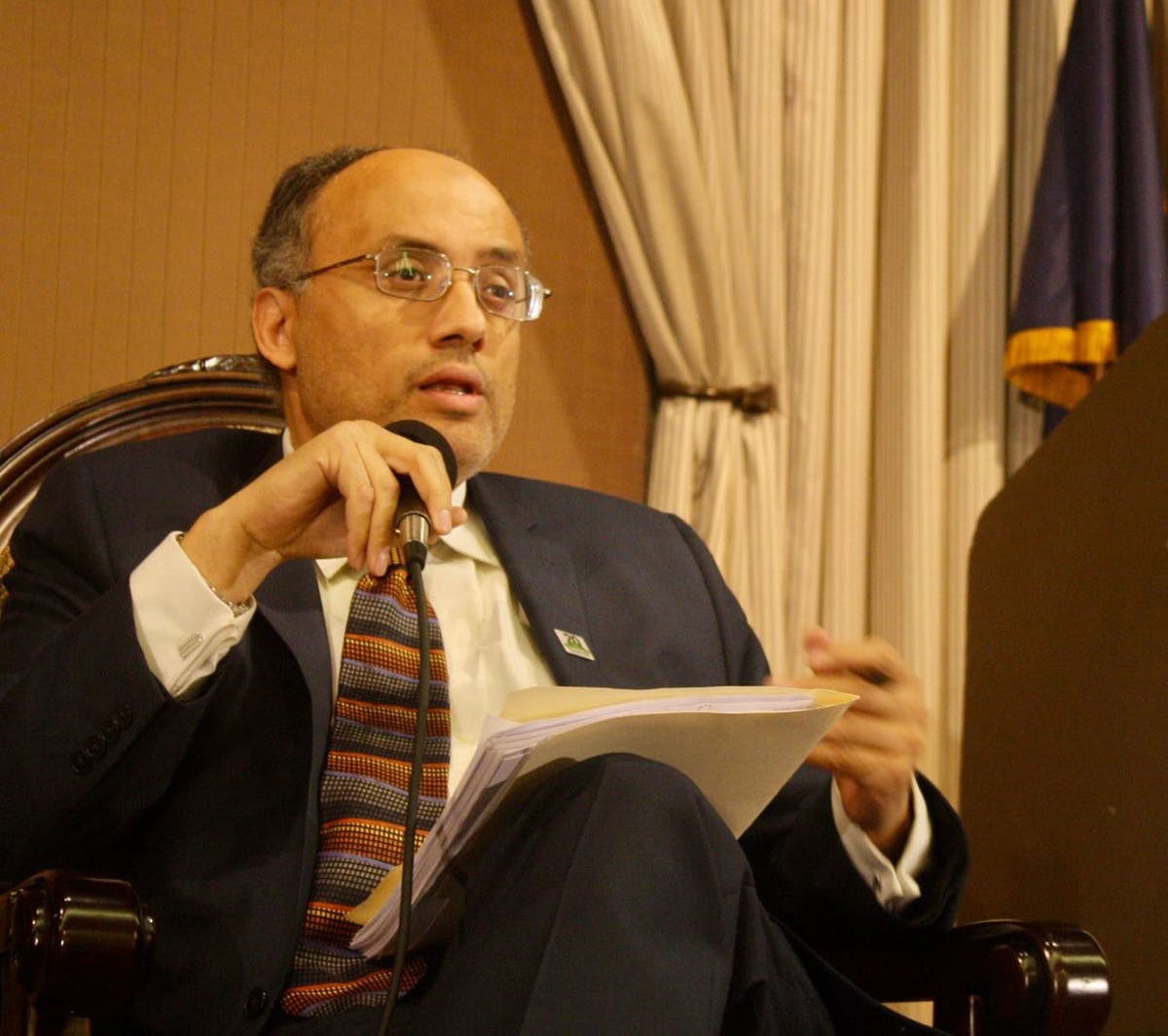
"The best thing is to get to know the Muslim community — become friends," MET President and co-founder Wajdi Said told Patch Thursday. "Because when we become friends and know each other, we're able to see each other at our face values. Otherwise you'll just be ignorant — and that's for (Muslims), too. For everybody that lives in this world, we need to get to know each other."
Find out what's happening in Beavertonfor free with the latest updates from Patch.
The event — which is being supported by Portland and Multnomah County law enforcement, the Oregon Cultural Trust, Portland Parks & Recreation, and Kaiser Permanente, among others — promises to provide an afternoon of cultural performances, an international market experience (right alongside Portland's historic Saturday Market), and several learning opportunities.
Education, in fact, is one of MET's primary missions, along with outreach and recreation.
Find out what's happening in Beavertonfor free with the latest updates from Patch.
At its headquarters in Tigard, located at 10330 S.W. Scholls Ferry Rd., MET offers two schools: one for pre-kindergarten through fifth grade and the other for grades 6-12.
Built 20 and 10 years ago, respectively, the schools offer traditional academic classes — such as writing, math, and geography — but also includes courses on the Quran, Arabic language, and Islamic studies. It is certified by the Northwest Accreditation Commission.
Beyond its own schools, however, MET has steadily increased its outreach efforts to other local schools and organizations, most recently hosting its three-part Silk Road Cultural series to celebrate Native American, Asian, and Latino cultures — which was also a first-time event this year.
It's the celebration of diversity and sharing of common experiences across nationalities and cultural backgrounds that most effectively breaks down the barriers of misconception and misunderstanding, MET spokeswoman Rania Ayoub explained.
"In my personal opinion, one of the reasons why there's a lot of misconceptions is because the educational system in the U.S. lacks information about different cultures," Ayoub said. "So, unfortunately kids grow up in the educational system and they have no idea what the outside world looks like. They only know the U.S. — and even some U.S. history is not well-expressed. A few eras are skipped here and there, for whatever reason.
"Only those who really want to reach out and understand are the ones who find out on their own," she said. "Otherwise you don’t hear about how all three big religions — Muslim, Christian, and Jew — coexist peacefully in Spain, for example."
To offer a solution, MET created the Positive Integration Project to help not only students at its own schools but also Muslim students in public schools throughout the region. With roughly 25,000 Muslims in Oregon, a majority of whom are in the Portland area, Ayoub said, the need for outreach is apparent.
"In some instances, (Muslim) families will isolate themselves out of fear of assimilation," Ayoub said. The same concerns have been expressed by other groups that have established a presence in Oregon after moving from another country, such as some in the local Latino or Somali communities.
MET officials feel they have a duty to Muslim students, especially the first-generation students, in public schools to provide support for integrating into American society without forcing full-fledged assimilation, and risk them losing their faith, values, and culture, Ayoub said. MET also wants to encourage families to not isolate themselves from the communities in which they live, which is another aspect of the festival not specifically aimed at the non-Muslim community.
"There's a lot of work that still needs to be done," said Sahar Bassyouni, director of schools at MET. "Some kids don't have the same personality at home as they do at school, and of course this is typical of teenagers, generally speaking. But I believe MET is making an impact and God willing, the ripple effect will be greater with time."
Events like the Muslim Cultural Festival help, Bassyouni said.
"Young Muslims (need) to see they are a solution, they are an added value, and they have something to contribute," she said. "They should not shy away from who they are. They should take pride in who they are, and not blend into the background — like some kids tend to do."
Bassyouni suggested including Muslim holidays on public school calendars, or at least incorporate a cultural day to help Muslim students in public schools feel more welcomed.
"Sometimes Muslims tend to be perceived as newcomers (to the Portland area) … but some of us go three or four generations back. This is a huge misconception," she said. "The need (for outreach) has always been there, and I think the events of 9/11 prompted the Muslim community in general to just get out of their comfort zones, get out of their bubbles and communicate with their neighbors."
A pillar of the Muslim faith is to know your neighbor, Bassyouni explained.
"It's very important," she said. "If we would practice our faith correctly as Muslims we would get to know our neighbors."
Bassyouni and Ayoub recognize that for some families it's hard to make time, but making any effort to reach out is still important and encouraged at MET.
"With more education and more exposure to the world, our kids are going to know more, be better prepared for the future, and well-prepared for life in general," Bassyouni said. "You have to be part of the big picture. The world is growing so fast, and you have to be well-connected and well-prepared if you're going to be successful.
"It has nothing to do with the faith itself, just how the faith has traditionally been practiced," she continued. "It's our hope that this (festival) is going to give everyone a feel for what Islam is all about. Forget the news; forget what you see (on television). There is a very beautiful, artistic and spiritual side to the faith — an international, cultural aspect to the faith. And it's my hope that this festival will fulfill the need to reach all constituents."
And while event organizers haven't received any threats from potential disruptors, concerns over safety remain constant.
"Some people advised us not to do the festival," Wajdi said. "But I think we should to make our lives as normal as they can be and not to be intimidated. Bigotry and hate is not new phenomena. It's human history … (but) I think it's very important to live a normal life. It has nothing to do with political reality. It has to do with the story of our relationship as humans."
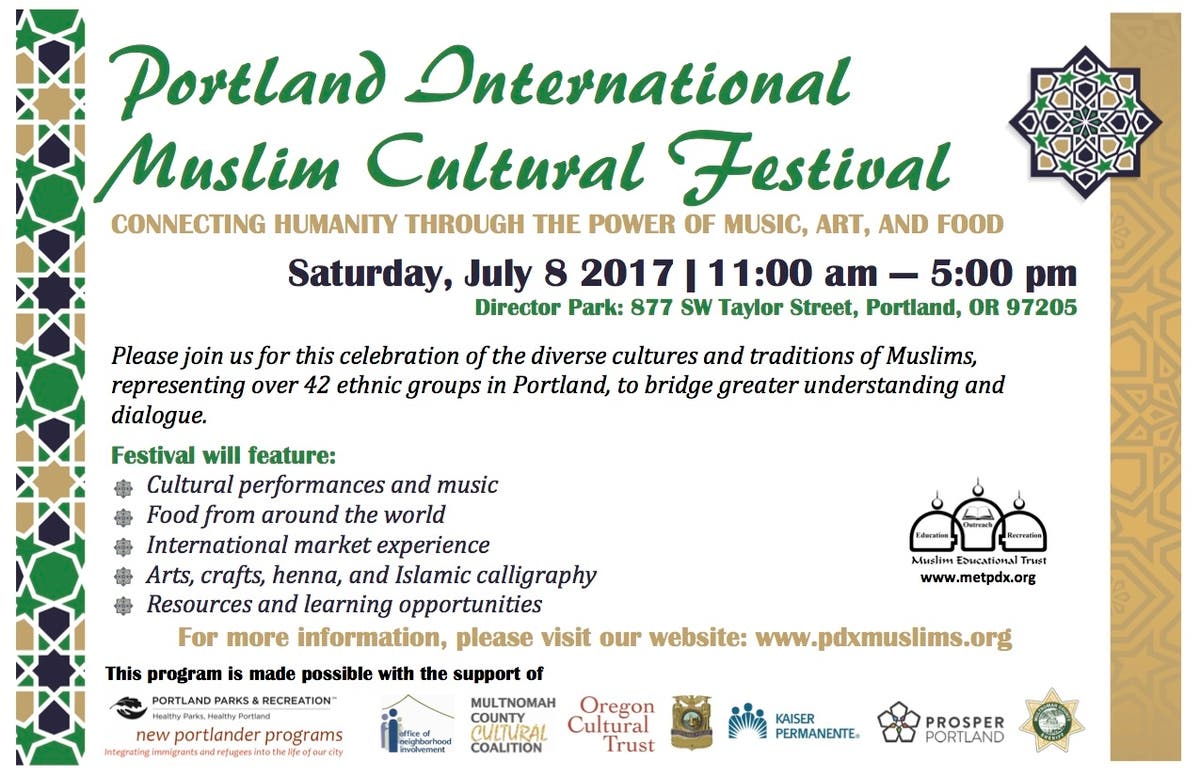
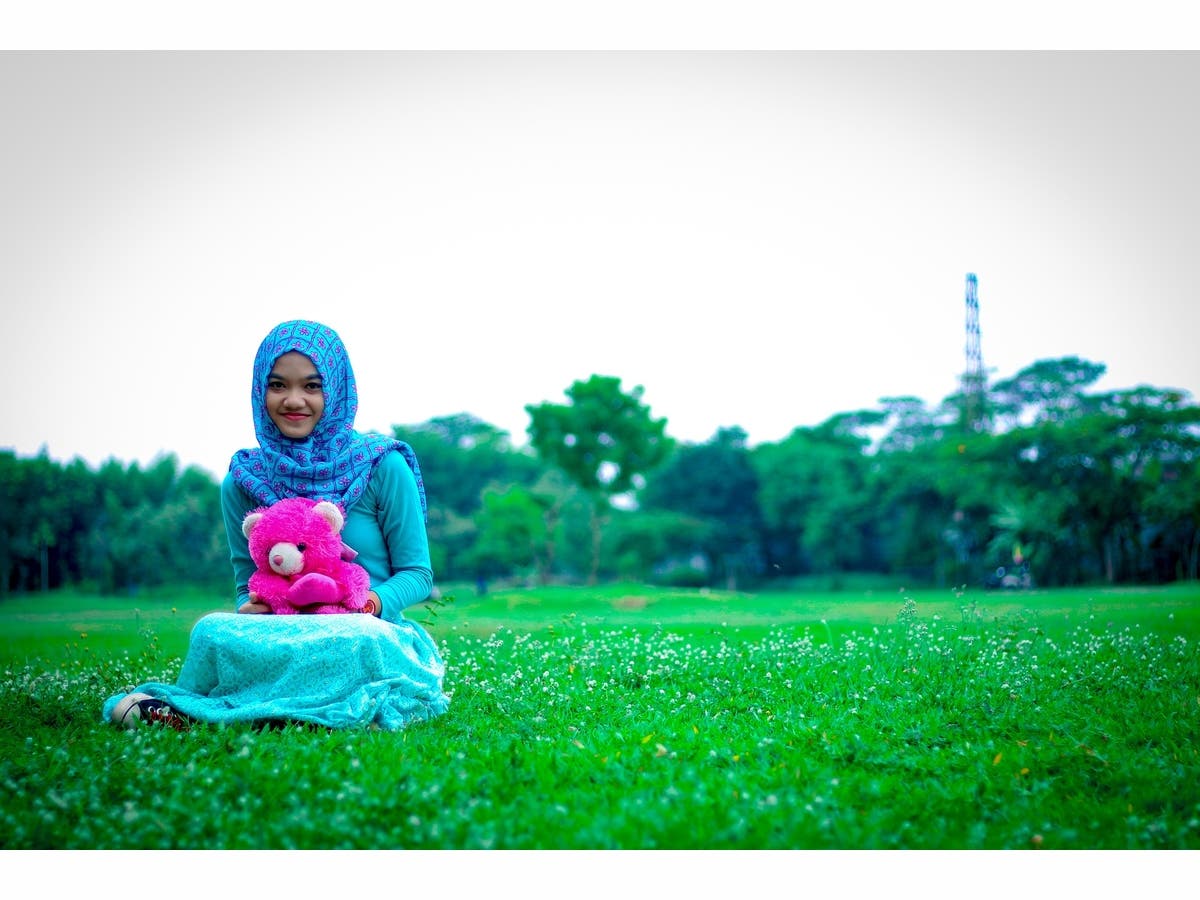
Image: ajuprasetyo via Pixabay.com
Get more local news delivered straight to your inbox. Sign up for free Patch newsletters and alerts.