Business & Tech
Bad Marijuana Alert: Did You Buy Any "Dutch Treat?" Return It
The state detected high levels of pesticides in that strain as well as in some of the Pleeze and Dryzl.


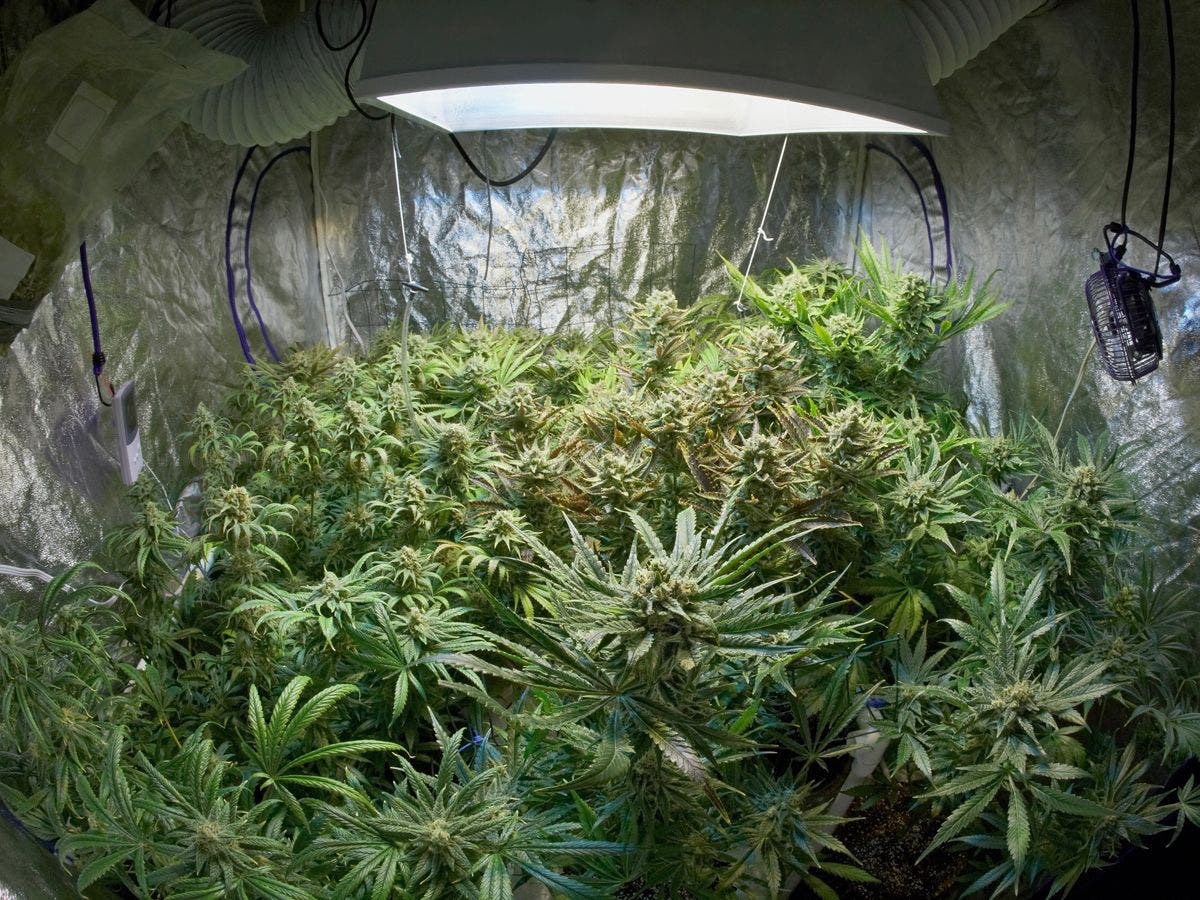
If you bought any Dutch Treat, Pleeze or Dryzl in North Bend, Eugene, or Salem recently you should not smoke it, says the Oregon Health Authority. Just return it. If you don't know what any of that means, you probably don't need to keep reading.
The Health Authority says that in routine testing, they discovered high levels of pesticides in batches of those three strains of marijuana. They had been sold at dispensaries in those cities.
Oregon Medical Marijuana Program officials say that Stonies, 3682 Tremont St., North Bend (MMD 66249), and Green-Way Medicinal, 1865 Beach Ave., #100, Salem (MMD 92847), each sold two strains of marijuana flower that contained the pesticide piperonyl butoxide at levels exceeding regulations. The strains were sold under the names Pleeze (batch number G6J0039-02) and Dryzl (batch number G6J0039-01).
Find out what's happening in Portlandfor free with the latest updates from Patch.
Sales of these pesticide-tainted strains occurred at Stonies between Oct. 16 and Oct. 25 to about 250 customers, and at Green-Way Medicinal between Oct. 15 and Oct. 23 to about 90 customers; most were recreational marijuana customers.
The OHA "action level" for piperonyl butoxide is 2.0 parts per million (ppm); the affected batches of Pleeze and Dryzl contained 15.39 ppm and 16.24 ppm, respectively.
Find out what's happening in Portlandfor free with the latest updates from Patch.
The dispensary Flowr of Lyfe, 114 W. Broadway St., Eugene (MMD 94735), sold one strain of marijuana flower that contained the pesticide spinosad at levels exceeding regulations. The strain was sold under the name Dutch Treat (batch number G6J0018-01).
Sales of this pesticide-tainted strain occurred between Oct. 15 and Oct. 26 to about 30 mostly recreational customers. The OHA "action level" for spinosad is 0.2 ppm; the affected batch of Dutch Treat contained 0.90 ppm.
Any customers who purchased these products at the dispensaries during the reported sale periods should check the label of the products they purchased and immediately return any of the tainted products to the dispensaries, or dispose of them in a safe and responsible manner, such as composting them.
OHA is not publicly identifying the growers involved because that information is confidential under Oregon law.
This is is the second time that the health authority has issued an alert sicne they started regulating pesticide levels in marijuana last month.
Photo via ShutterStock
Get more local news delivered straight to your inbox. Sign up for free Patch newsletters and alerts.