Home & Garden
The Big One is Coming: Universities Get $ To Improve Early Warning System
Six West Coast universities are woking with the United States Geological Survey to develop the ShakeAlert early warning system.


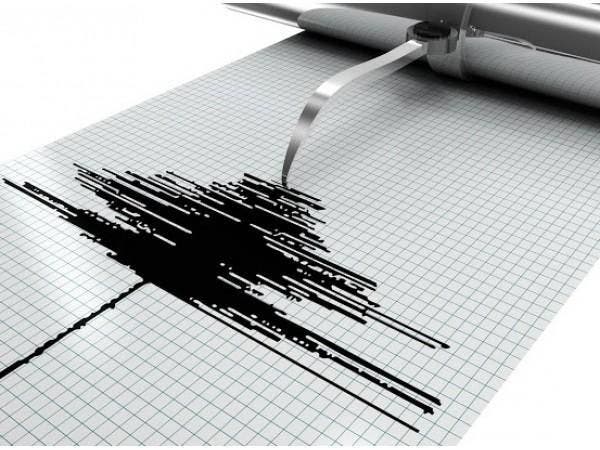
The big one is coming. It's really just a matter of when. A new multi-million dollar grant from the United States Geological Survey will hopefully give people of a few more seconds of warning when it does happen.
The $3.7 million grant is going to six universities on the West Coast: University of Oregon, California Institute of Technology, Central Washington University, University of Nevada-Reno and the University of California, Berkley.
The money is going to help improve the ShakeAlert early warning system along the West Coast, a system designed to give people as much of a warning as possible — even a precious few extra seconds.
Find out what's happening in Portlandfor free with the latest updates from Patch.
"The Cascadia earthquake has the possibility of being the worst natural disaster in North American history and this funding will help make sure that our West Coast communities have the most up-to-date early warning system," said Sen. Jeff Merkley, a Democrat from Oregon, who helped secure the grant.
"We have to do everything we can to prepare for this potential disaster and it’s great knowing that the important work going on at the University of Oregon will help advance this system."
Find out what's happening in Portlandfor free with the latest updates from Patch.
The USGS and the schools will use the money to improve the system's sensor and telemetry structure along the West Coast.
While the money will help, Merkley and his Oregon colleague, Sen. Ron Wyden, say it is just a small part of what is needed.
"Earthquakes are deadly serious business for the West Coast," Wyden said.
He says the funding will help the schools create a fully developed early warning system that could save untold numbers of lives and give our communities up and down the coast and throughout the state more time to prepare for the worst.
The USGS estimates it will cost nearly $40 million in capital investment to get the system to the point where it will be able to issue alerts to the public along with more than $16 million each year to operate it.
Get more local news delivered straight to your inbox. Sign up for free Patch newsletters and alerts.