Community Corner
Oregon Zoo's Packy Had A Good Last Day
The zoo's beloved elephant dies after a long battle with TB. After the heartbreaking decision was made. There was cake for the big guy.


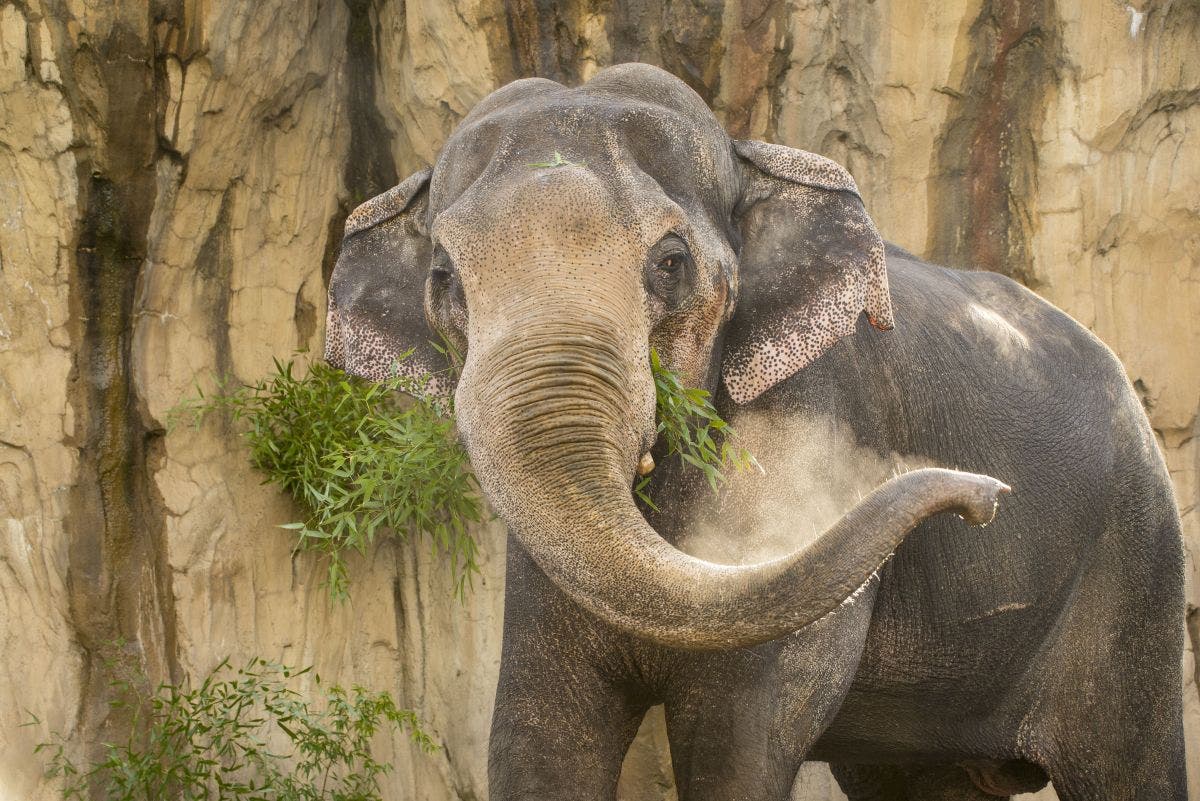
Packy, the Oregon Zoo elephant who in 1962 became the first of his kind born in the United States in decades and held the imagination of Oregonians and people around the world since, died Thursday, zoo officials said. He was 54 years old.
“We loved Packy so much,” said Bob Lee, who oversees the zoo elephant program and worked with Packy for the past 17 years. “He was my favorite — the most impressive animal I’ve ever known. It’s hard to think about coming in to work tomorrow and not seeing him. There will never be another like him.”
(For more alerts and other Portland news, click here to get Patch's daily newsletter and free, real-time news alerts for your Portland metro neighborhood.)
Find out what's happening in Portlandfor free with the latest updates from Patch.
Packy was first diagnosed with Tuberculosis in 2013 along with Rama, another elephant at the zoo - and Packy's son. A third elephant, Tusko, was also diagnosed with it soon after. Both Tusko and Rama recovered from the TB and Packy seemed to be doing well.
Last fall, tests came back showing that Packy had a recurrence of the disease, this time a drug-resistant strain. That started a worldwide search for possible ways to help him - consulting veterinarians and pharmacists and other experts around the world.
Find out what's happening in Portlandfor free with the latest updates from Patch.
The search for a way to help Packy resulted in a grim conclusion - there wasn't one.
Zoo officials say that the decision was made to euthanize him when they finally came to the heartbreaking conclusion that there was nothing else they could do to fight the tuberculosis that had attacked him.
“We’d run out of options for treating him,” said Dr. Tim Storms, the zoo’s lead veterinarian. “The remaining treatments involved side effects that would have been very hard on Packy with no guarantee of success, plus a risk of creating further resistance.
"None of us felt it would be right to do that."
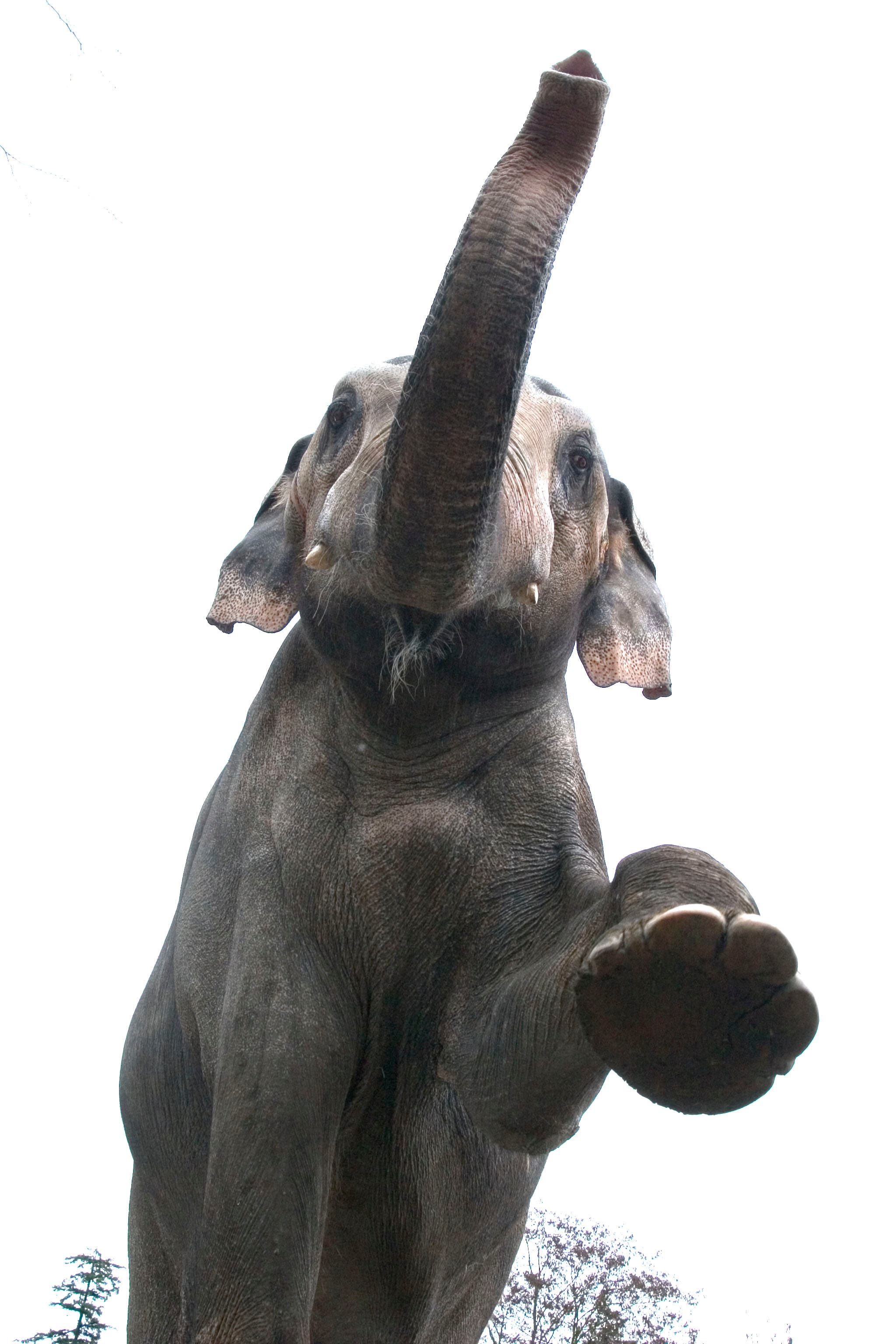
Storms says that without treatment, Packy's TB would have continued to get worse.
"A lot of people were involved in this decision," said Storms. "That didn’t make it any easier. Anybody who’s had a sick or elderly pet knows how painful this can be, even if you know it’s the best thing for the animal.”
When Packy was born just before 6 a.m. on April 14, 1962, it was an event that captured the imagination of the world. Life Magazine devoted an 11-page spread to him.
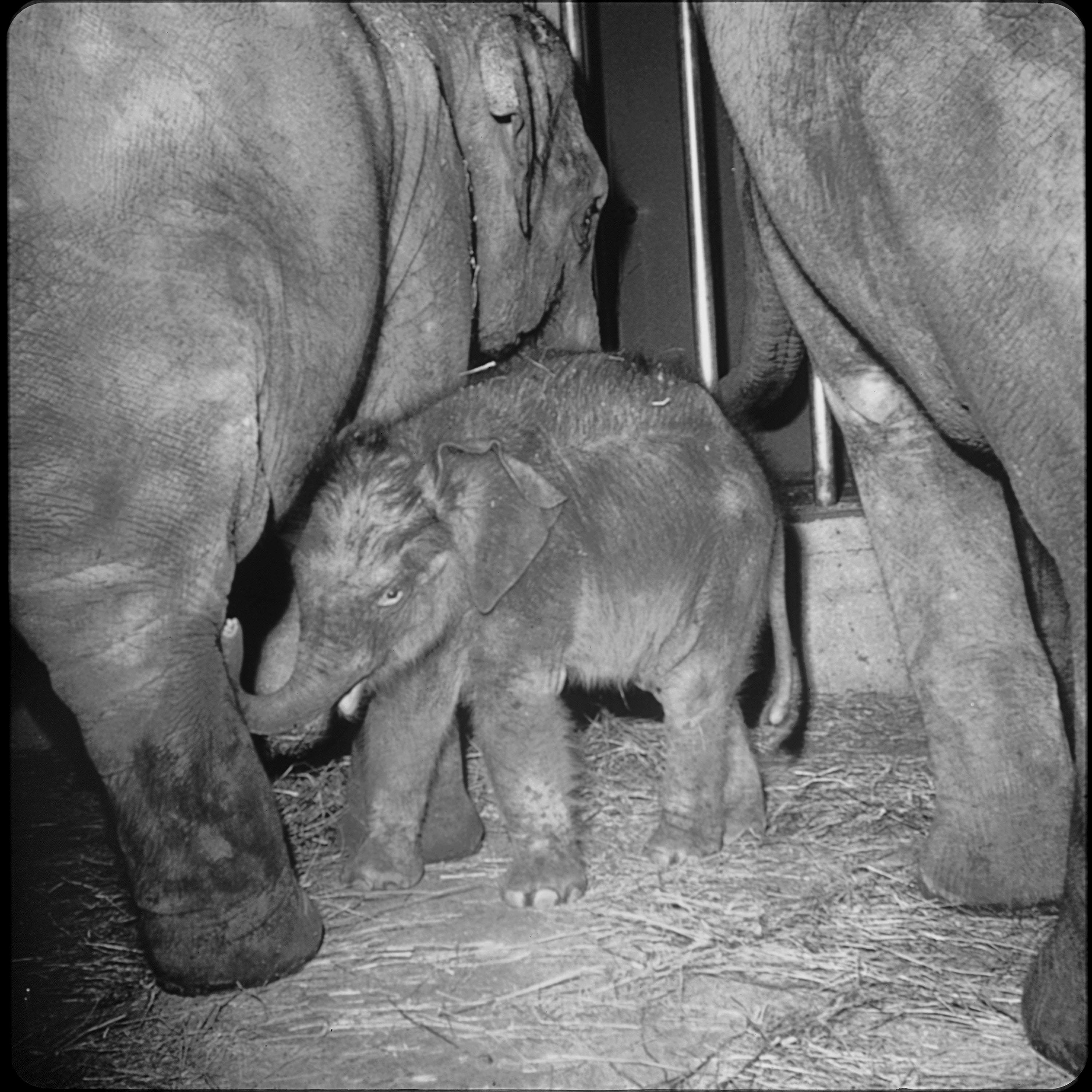
Packy's story actually began several years earlier.
Morgan Berry, who lived in Seattle where he made a living importing animals, had a young female elephant named Belle that he had bought in Thailand. After a while, Belle became too big to care for at his home, and he arranged for the zoo, then known as the Portland Zoological Gardens, to take her.
Belle met Thonglaw, a male elephant and as sometimes happens when elephants hook up, Belle became pregnant on July 19, 1960.
As it had been decades since an elephant had been born in North America, Belle's pregnancy was as much a learning experience for them as it was for her; maybe more so.
They tried to keep the pregnancy under wraps but in Jan. 1962, she had false labor and the news of her condition leaked.
On April 14, she went into labor around 5:30 in the morning.
Twenty-eight minutes later, Packy was born. He was 225 pounds.
He had a particular hold on the lives of Oregonians who flocked to see him. They built floats in the annual Rose Parade in his honor.
Packy was only the ninth elephant to be born in the United States since the first one arrived in 1795. He was also the first Asian elephant to be born in the United States in 44 years. With his birth, the Oregon Zoo quickly became the established leaders when it came to the study of elephants in the United States, if not the world.
While "only" 225 pounds at birth, he grew quickly. By his first birthday, he was 1,750 pounds, and by the time he was 40, he was tipping (crushing?) the scales at 13,500 pounds.
The zoo's first veterinarian, Matthew Mayberry, became part of a team that redesigned elephant facilities at zoos, working to give them more freedom and allow for more socialization.
“These were completely uncharted waters,” said Lee. “Before Packy arrived in 1962, just one elephant had been born in any North American zoo — that one was born almost 100 years ago and only lived a for few weeks."
Since then, the Oregon Zoo led the way, learning more and more from Packy about how to care for elephants. From the time he was born through the 1982 birth of his daughter, Shine, 21 out of 27 elephants born in North America were born at the Oregon Zoo.
“Packy’s birth started it all,” Lee says. “The focus on elephant welfare, the knowledge about elephants. If you think about the time when he was born, it’s mind-boggling — Kennedy was president, the Beatles hadn’t made any records yet, cigarettes didn’t have warnings from the Surgeon General.

"We’ve learned so much about elephants since then, and it never could have happened without Packy.”
Packy became a day for the first time on May 10, 1975, when a male is born to Me-Tu. Nine months later, a second baby - a girl - is born to Hanako, with whom he has a second girl, Sumek, two year later.
In all, Packy would father seven kids at the zoo, the last of whom was Rama who was born on April 1, 1983.
Zoo Director Don Moore says that Packy's death "is a tremendous loss for the entire community.
"Packy was one of the most famous animals in the world, but to the people who live here, the people who grew up with him, he was family.”
His death brought an outpouring of grief and and that most Portland of memorials - a Voodoo Doughnut send off.
Rest in peace dear Packy #PackyTheElephant #54years pic.twitter.com/K2VDwIkTdi
— Voodoo Doughnut (@VoodooDoughnut) February 9, 2017
An official memorial event for Packy will be announced as soon as plans are finalized. Until then, people can offer condolences or share favorite memories of him on the zoo’s Facebook page.
When zoo officials learned in December that his TB was drug resistant, Lee - who had spent almost every day of 17 years with him - reflected on their time together.
"You look at old he is and you realize that every day with him is a gift," Lee said.
"You can be tired, dragging, and come in in the morning and he looks at you with big eyes, There is not a cup of coffee in the world that will motivate you like he does."
On Thursday, Lee talked through tears about the past 24 hours, how after the decision had been made, all of the zoo's elephant staff spent the rest of the afternoon with him. Someone even ran to Fred Meyer to get him a cake - raspberry and vanilla.
"He was family."
Want to get more Portland news? Sign up for our free newsletter:
Get more local news delivered straight to your inbox. Sign up for free Patch newsletters and alerts.