Crime & Safety
Feds Say Nurse Dealt Drugs Out of Portland Clinic
Julie Ann Demille and 20 others are charged in 39-count indictment.


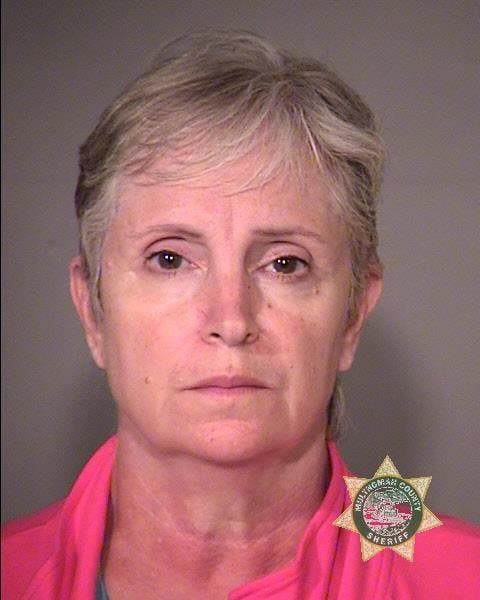
"Julie Ann Demille continued to unlawfully prescribe excessive amounts of controlled substances, knowing that such practice could result in overdoses, dependence, addiction, and, in some cases, death to clinic customers."
That was the conclusion of a federal grand jury in Portland that indicted Demille this week in a 39-count indictment charging her and 20 others of prescribing excessive amounts of prescriptions drugs like oxycodone and hydrocodone.
The indictment caps a 15-month investigation that involved raids Wednesday on more than a dozen locations.
Find out what's happening in Portlandfor free with the latest updates from Patch.
"The unlawful dispensation and distribution of any controlled substances, especially addictive opiates such as oxycodone and hydrocodone, is a priority for the Department of Justice," said U.S. Attorney Billy J. Williams.
"We are committed to our partnership with federal, state, and local law enforcement, as well as state regulatory authorities, to hold responsible anyone who threatens the safety of our community through such conduct."
Find out what's happening in Portlandfor free with the latest updates from Patch.
At the center of the conspiracy was Demille, a 58-year-old nurse practitioner who lives in Clackamas County, according to the indictment.
The indictment states that Demille and her partner in the conspiracy — Osasuyi Kenneth Idumwonyi of Spring, Texas — had worked for three different medical clinics in Houston that were the subject of a Drug Enforcement Agency investigation. All three of those clinics were closed as a result, according to the indictment.
Demille and Idumwonyi were not interviewed during that investigation, the indictment says.
Prosecutors say that after the third clinic was closed, the two established the Fusion Wellness Clinic on Southeast 101st Avenue in Portland.
While Demille moved to Oregon, prosecutors say that Idumwonyi — the office manager — stayed in Houston but would fly up regularly to help manage the operation.
The indictment states that the clinic operated on a cash-only basis, charging $200 per prescription at first, a fee later raised to $250.
Demille allegedly would prescribe controlled substances "at the first appointment without conducting a physical examination of such individuals to verify the claimed illness or condition, or after conducting only a cursory physical examination and in, certain cases, without reviewing drug screen tests and/or addiction histories."
The indictment states that "to maximize profits from prescription fees" Idumwonyi "would schedule such large numbers of clinic customers on any given day" that appointments with Demille would last only a few minutes, with some only lasting between 45 and 90 seconds.
Prosecutors state that last month Demille moved to renew her DEA registration number, which allowed her to prescribe controlled substances.
They say that in a recorded call, she asked the agency to waive its $750 fee because she only worked at a public heath clinic — the Clackamas County Healthy Clinic. When asked to confirm that was the only clinic she worked at, she said yes, despite the fact that she had been prescribing drugs from the Fusion Clinic for the previous 18 months.
Many of the others charged in the indictment worked as recruiters who would find customers and then split prescription fees in exchange for pills. Others charged were just customers.
DEA Special Agent in Charge Keith Weis said that clinics like Fusion are a national problem.
"Rogue pain clinics facilitate the destruction of lives through drug abuse, addiction and even death,” said Weis. "This is a national crisis as we are losing record numbers of Americans from prescription drugs, heroin, and fentanyl overdoses.
"DEA works every day to attack those drug traffickers who prey on victims of addiction and facilitate drug trafficking-related violence in our communities.”
The DEA says that people aware of drug crimes can offer tips by texting anonymously TIP411 (847411) and beginning your message with TIPDEA.
The unlawful dispensation and distribution of oxycodone and hydrocodone carries a maximum sentence of 20 years in prison and a fine of $250,000. An indictment is only an accusation of a crime, and all defendants are presumed innocent unless and until proven guilty.
Get more local news delivered straight to your inbox. Sign up for free Patch newsletters and alerts.