Health & Fitness
Human Genes Edited In Breakthrough Study By OHSU Researchers
The discovery could change the future for families who pass along the mutation that causes hypertrophic cardiomyopathy, researchers said.


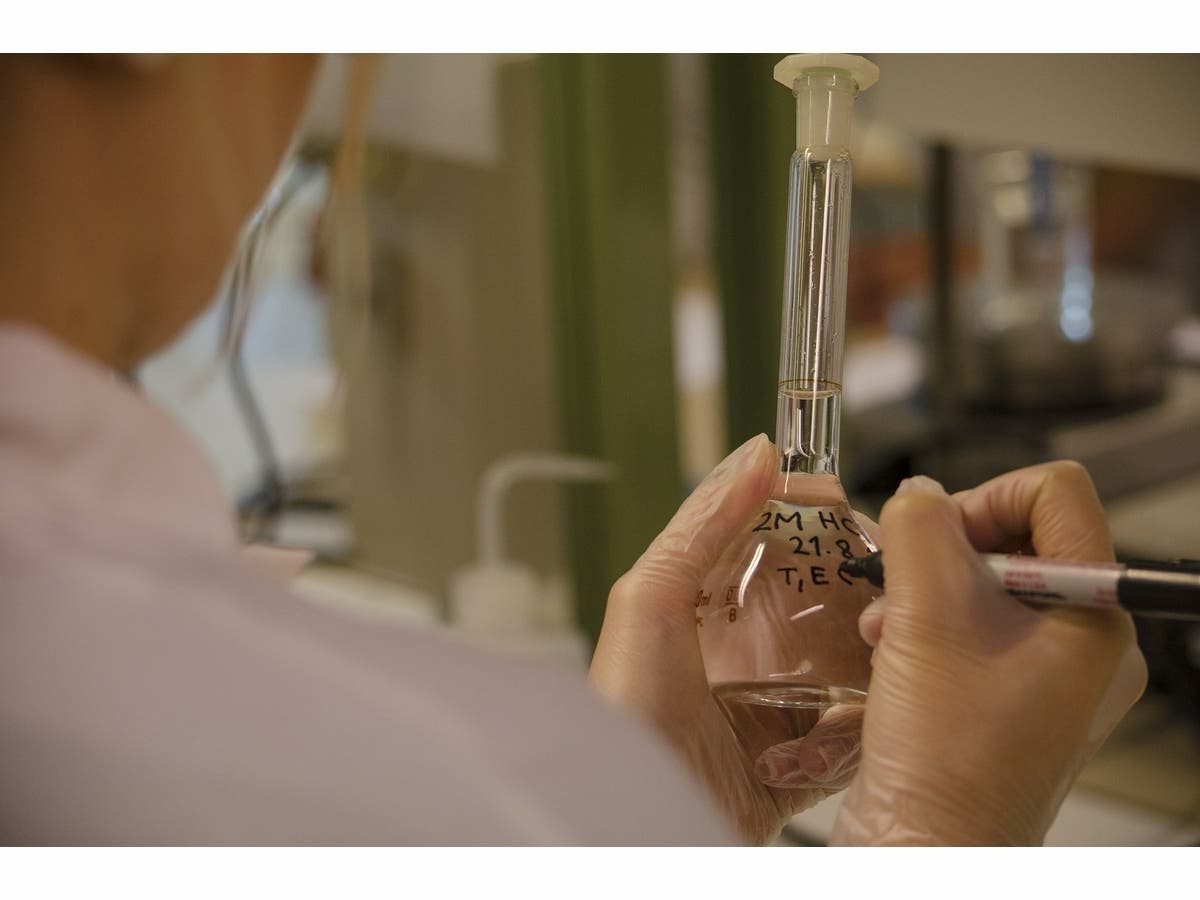
PORTLAND, OR — Oregon Health and Science University researchers have helped successfully edit out a disease-causing gene mutation from human embryos, according to a study published Wednesday in the science journal "Nature." The study, conducted by OHSU personnel and others from California, South Korea, and China, revealed that scientists can not only remove the mutation that causes hypertrophic cardiomyopathy to create healthy embryos but also prevent the mutation from being passed on to future generations.
While this particular study focused specifically on the genetic mutation that causes hypertrophic cardiomyopathy, a disease that affects an estimated 1 in 500 people and can lead to heart failure and sudden death in later life, the breakthrough discovery could eventually change the fates of millions of people worldwide affected by inherited genetic mutations, OHSU officials said in a statement. It may be some time, however, before the process can enter clinical trials.
"This research significantly advances scientific understanding of the procedures that would be necessary to ensure the safety and efficacy of germline gene correction," Daniel Dorsa, senior vice president for research at OHSU, said in the statement. "The ethical considerations of moving this technology to clinical trials are complex and deserve significant public engagement before we can answer the broader question of whether it's in humanity's interest to alter human genes for future generations."
Find out what's happening in Portlandfor free with the latest updates from Patch.
Using healthy, donated human oocytes and sperm carrying the genetic mutation that causes cardiomyopathy, mutations were removed using the gene-editing tool CRISPR, or clustered regularly interspaced short palindromic repeats.
In an email to the New York Times, Jennifer Doudna, the biochemist who helped discover CRISPR, said, "It feels a bit like a 'one small step for (hu)mans, one giant leap for (hu)mankind' moment."
Find out what's happening in Portlandfor free with the latest updates from Patch.
"Every generation on would carry this repair because we've removed the disease-causing gene variant from that family's lineage," said senior author Shoukhrat Mitalipov, who directs the Center for Embryonic Cell and Gene Therapy at OHSU. "By using this technique, it's possible to reduce the burden of this heritable disease on the family and eventually the human population."
The new discovery could also have uses in — and increase the efficacy of — in vitro fertilization by increasing the numbers of healthy embryos available for use, officials said.
"If proven safe, this technique could potentially decrease the number of cycles needed for people trying to have children free of genetic disease," said co-author Paula Amato, associate professor of obstetrics and gynecology in the OHSU School of Medicine.
Click here to read the study at nature.com.
Get more local news delivered straight to your inbox. Sign up for free Patch newsletters and alerts.