Politics & Government
Oregon Tourism: Hood River Sheriff Sees Problems on the Horizon
The sheriff tells Patch that while tourism is good thing, it is also creating a tremendous strain on resources.


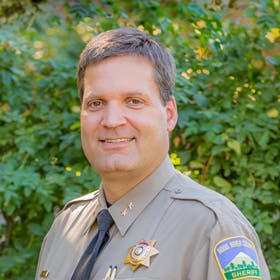


Matt English, the Sheriff of Hood River County, tells Patch that the influx of tourism to his county is stretching resources dangerously thin.
And unless a solution is worked out, there could be tragic results.
"We've been studying this issue for about seven months and there is no question, something needs to be done," he told Patch.
Find out what's happening in Portlandfor free with the latest updates from Patch.
English is concerned that the beauty of Hood River County is a double-edged sword: on one hand it attracts thousands of tourists, while on the other hand that increases the likelihood that his office will have to deploy search and rescue officers to get people out of trouble.
In the past three years, his office has received roughly 300 calls for service to deploy on a search and rescue operation.
Find out what's happening in Portlandfor free with the latest updates from Patch.
Of those, only two involved actual residents of Hood River County.
The rest came from other parts of Oregon, other parts of the world.
The office's lone deputy assigned to a marine unit, Quintin Nelson, says that he has rescued people from all over, including New Zealand, Spain, and Canada.
"We rescued people from California, Florida, and Texas," last year, Nelson said. "One of the first questions I ask a person is where they're from. It's rare that we rescue a local."
The boom in tourism is particularly clear at the Port of Hood River where the sheriff's office reports seeing more than 350,000 vehicles a year in the three lots by the waterfront.
Last July, they saw 68,000 cars in the lots.
"The numbers are staggering", Nelson said. "We will literally see hundreds of people out on the water at one time in a single day."
While the growing number of tourists is a boom to the local economy, it is putting a tremendous strain on the sheriff's office.
In 1990, the sheriff's office had 16 sworn officers including the sheriff. Today - 26 years later - they have 18 sworn officers.
"And that includes me," English tells Patch. "Meanwhile, the population of the county has grown 43 percent."
To make matters worse, the county has lost a major funding stream to the City of Hood River.
The city has annexed several hotels that had been in the county, taking with them the revenue stream provided by the 9% transient room tax collected from hotel rooms and vacation rentals.
The city has had their revenue from the tax nearly double - to $1,600,000 - over the past four years.
A new planned waterfront hotel is expected to push that amount to more than $2 million each year.
Last December, Sheriff English made a presentation to the Hood River City Council, asking for the city to chip in between $240,000 to $320,000 a year to help fund programs like search and rescue.
"The bottom line is, we don't have nearly enough resources to respond to the increasing volume of calls we're now seeing," English said.
The city rejected the request.
"I understand there is a feeling now that this their money," English told Patch. "That most of the rescues that take place are of people who have come from out of town. Ideally, our local taxpayers shouldn't be paying for the increased recreational services we need, because they're not benefiting from them.
"But the fact is that these rescues take place. People run into trouble and we have to help them."
English says that his office is also working with the United States Forest Service - nearly 70 percent of the land in Hood River County belongs to the USFS - to increase their contribution.
There are approximately 4.9 million visits a year to the Mt. Hood National Forest and 2 million visits to the Columbia Gorge National Scenic Area each year.
"I don't expect one entity to completely fund the amount of recreational response services we need in Hood River County but we are looking for a commitment from the stakeholders that are promoting and benefiting from the tourism that is the driving force behind this issue," said English.
"The bottom line is we have to provide these services and we're committed to finding a way to fund them, so our local taxpayers aren't shouldering the burden."
Get more local news delivered straight to your inbox. Sign up for free Patch newsletters and alerts.