Politics & Government
Portland Prohibits Bulk Fossil Fuel Terminals
Portland becomes first city in the United States to ban new fossil fuel terminals and ban expansion of new ones.


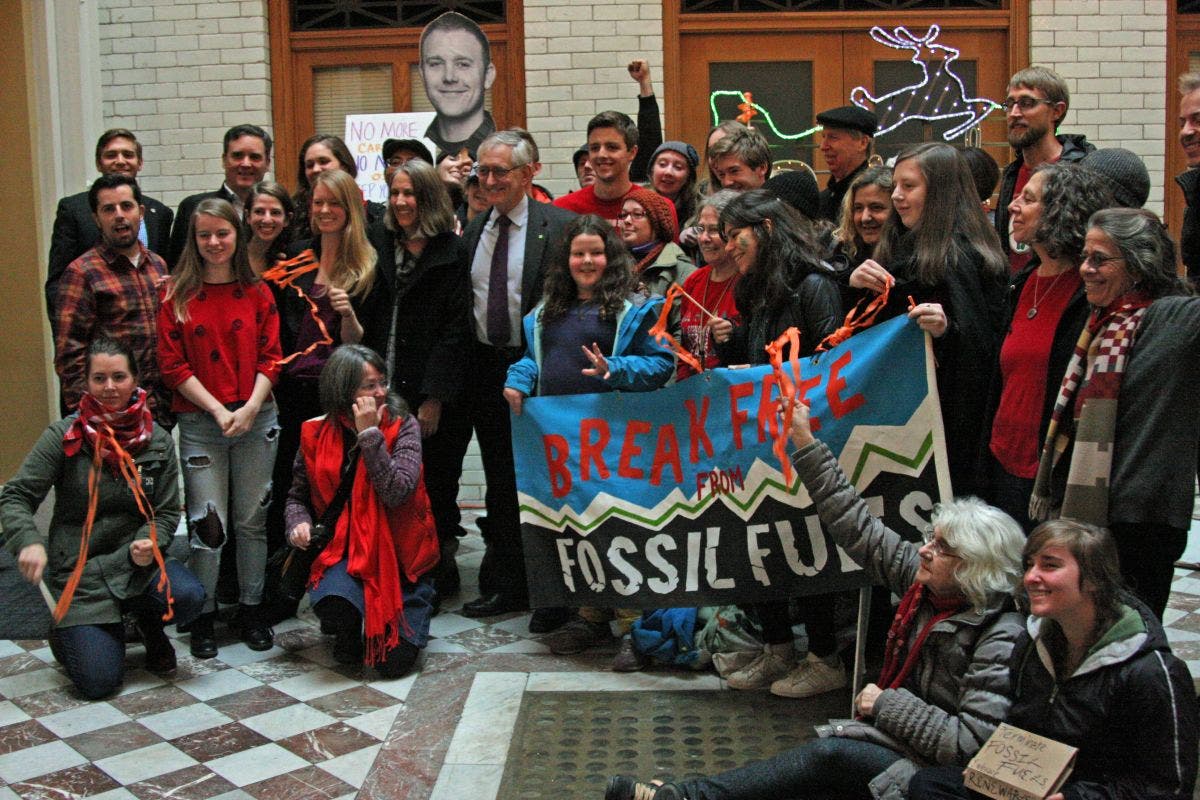

Portland is the first city in the United States to prohibit new fossil fuel terminals as well as ban the expansion of existing ones as a result of a city council vote on Wednesday. The move adds teeth to a resolution passed last year in which the council opposed "the expansion of infrastructure whose primary purpose is transporting or storing fossil fuels."
The bill passed on Wednesday changes the city code to give legal force to Portland's commitment to addressing both climate change and the local safety risks that the facilities pose, according to a statement from the city.
"Portland has been a world leader in climate action. We were the first U.S. city to adopt a climate action plan," said Mayor Charlie Hales. "We were the first to bring back the modern streetcar.
Find out what's happening in Portlandfor free with the latest updates from Patch.
"Now we’ll be the first to deliberately transition from dirty, dangerous fuels to clean, renewable energy with the passage of Portland’s policy that prohibits new bulk fossil fuel facilities."
The Fossil Fuel Terminal Zoning Amendments work to achieve many goals, primarily:
Find out what's happening in Portlandfor free with the latest updates from Patch.
- Limit the risks posed by potential new fossil fuel terminals and the expansion of existing facilities;
- Keep Portland’s economic opportunities focused on the needs of a 21st century world, not using our valuable land for the high-carbon fuels economy of the past. The Portland metro area low-carbon sector is currently a $10 billion industry with 5% yearly growth and employs 47,000 people.
"The effects of the recent oil train derailment in Mosier pale in comparison to growing fossil fuel infrastructure along our river, after we’ve invested billions of dollars for cleanup," said Hales. "Transporting crude oil is inherently dangerous, and Portlanders are demanding we take the necessary steps to protect their safety.
"Cities that thrive in the 21st century will be resilient communities that protect the one environment that we all share."
Most of Portland’s employment and industrial zones, including the critical energy and transportation infrastructure in Portland Harbor, are located in areas with moderate to high levels of liquefaction susceptibility in an earthquake.
Portland’s Climate Action Plan, recently awarded the 2016 C40 Cities Award for best climate plan, is intended to achieve the goal of reducing local carbon emissions 80 percent by 2050. Portland strongly endorses the newly enacted Paris Agreement to limit global warming to 1.5 degrees Celsius above pre-industrial levels. To reach these goals, much of the fossil fuel already discovered must stay in the ground.
"Today is a major step forward in Portland reaching its bold climate action goals," Hales said. "Even if we won’t have a responsible partner at the federal level, cities will continue to lead, and Portland remains committed to do its part."
Portland’s Climate Action Plan has also worked to shape the city’s urban planning and sustainability programs, policies and services with an eye on equal treatment to all communities. The Indigenous population of the Portland Metro area is over 40,000 people, descended from more than 380 tribes from across the United States.
This region has been sacred to native people for millennia, and new and expanding fossil fuel infrastructure threatens to negatively impact tribal treaty resources, ancestral lands, natural and sacred sites
Photos City of Portland
Get more local news delivered straight to your inbox. Sign up for free Patch newsletters and alerts.