Health & Fitness
Trump Immigrant Ban: OHSU Says Iranian Infant With Heart Defect Headed To Oregon
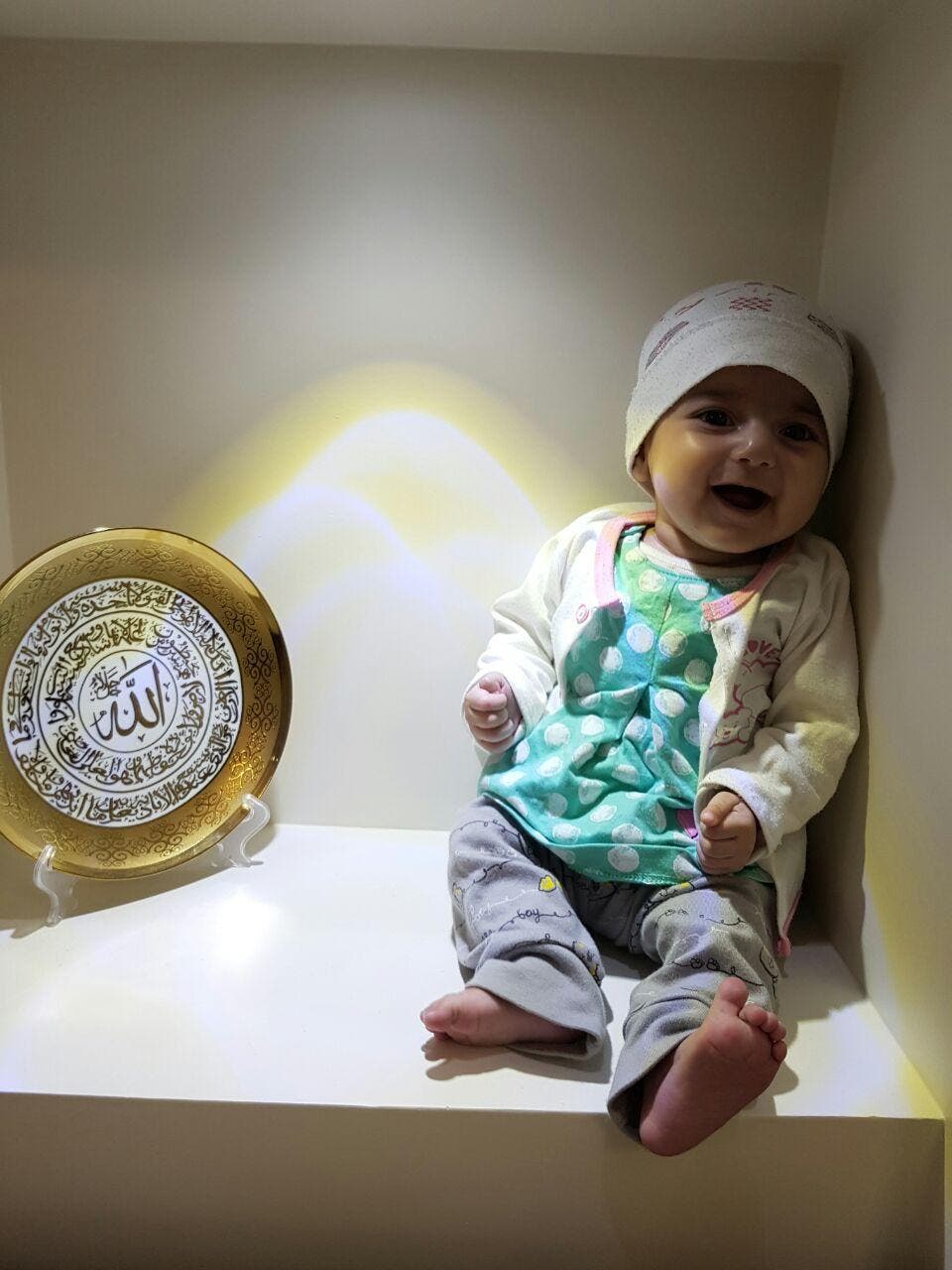
Four-month-old Fatemeh is expected to arrive this week.


“Every child is amazing,” says Dr. Dana Braner, the chief physician at Oregon Health Sciences University Hospital. “Every child deserves the best care. Every child adds something to the world that’s never been added before.
“We are here to take care of every child that we can.”
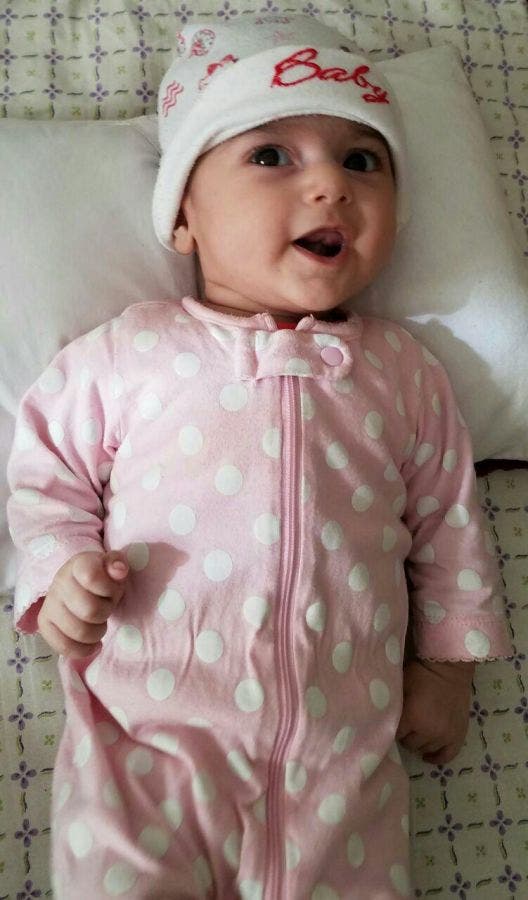
Braner is talking about the philosophy of OHSU’s Doernbecher Children's Hospital, but his comments are directed to the situation of 4-month old Fatemeh Rashad. She is in Iran, her trip to the United States for life-saving heart surgery delayed at least one week by an executive order supposedly aimed at terrorists but broad enough that it ensnared infants needing medical care.
Find out what's happening in Portlandfor free with the latest updates from Patch.
Fatemeh, who was born with a rare form of congenital heart failure — one that affects only two in 10,000 newborns — was going to be sent to Dubai last week with her family to get her a visa to get to the United States. That was canceled by President Trump’s executive order limiting the ability of the residents of seven countries, including Iran, to visit the United States.
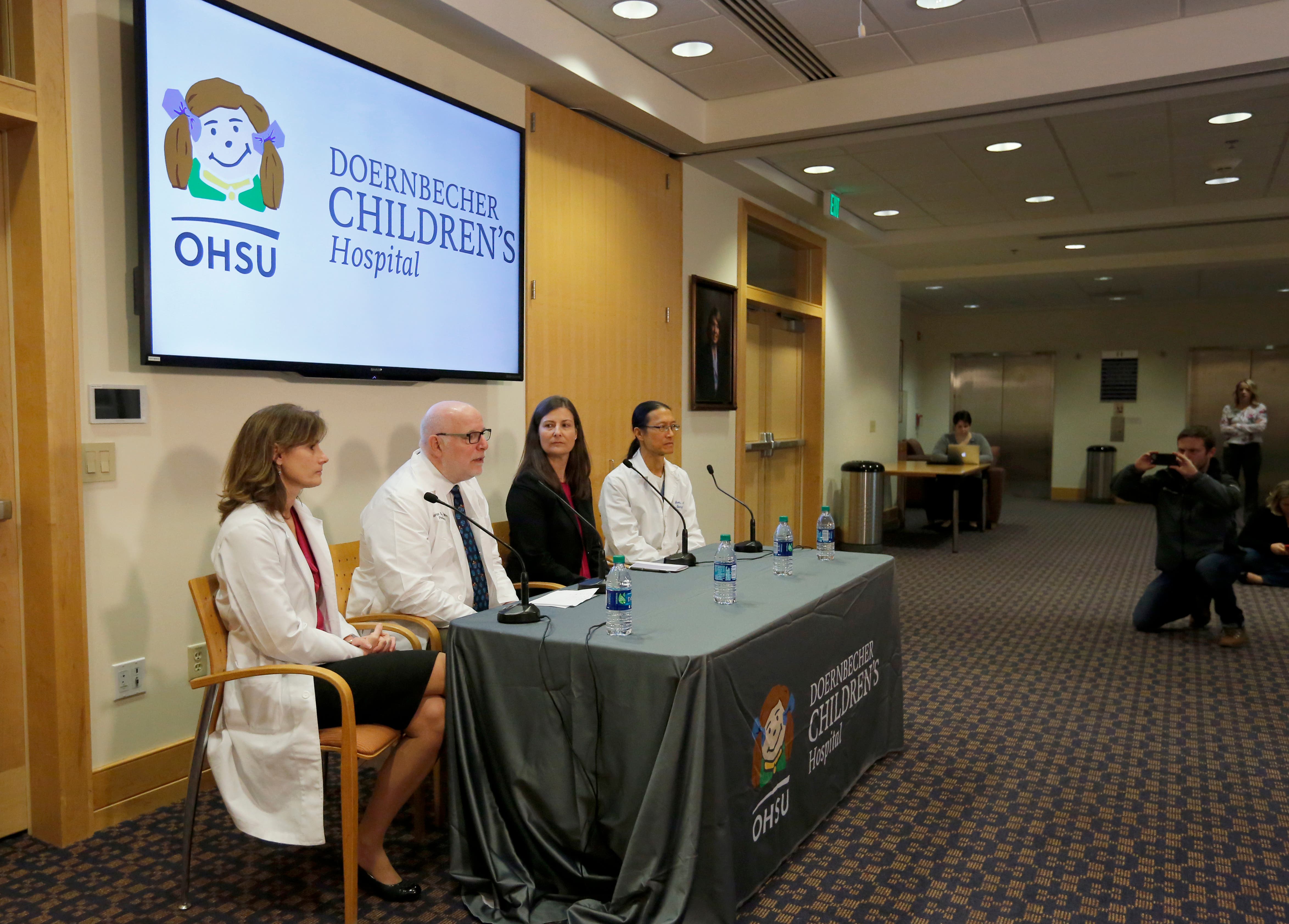
"Getting Fatemeh to the United States is a life and death situation,” Braner says.
Find out what's happening in Portlandfor free with the latest updates from Patch.
While Iran “has excellent hospitals,” Braner says, “It is unlikely this procedure could have been done there.”
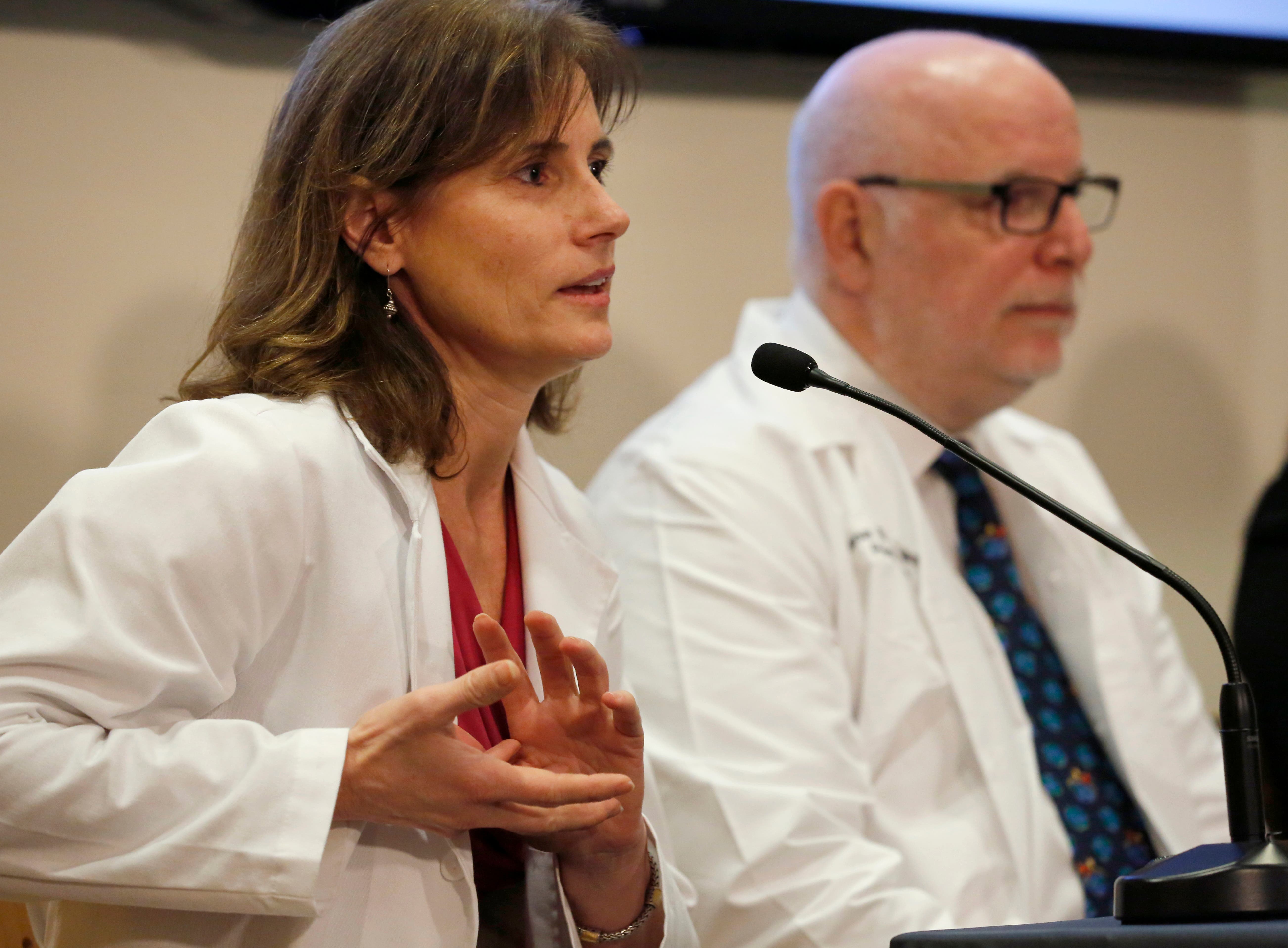
Dr. Laurie Armsby, the hospital’s chief of cardiology, also stresses the importance of getting Fatemeh to the hospital.
“This is a fatal condition without treatment,” she says. “But based on what we know about her condition, we anticipate a very good result and that she will live an active and full life."
OHSU, lawyers for the family and members of the Oregon Congressional delegation — along with their counterparts in New York — worked to bring attention to Fatemeh’s plight.
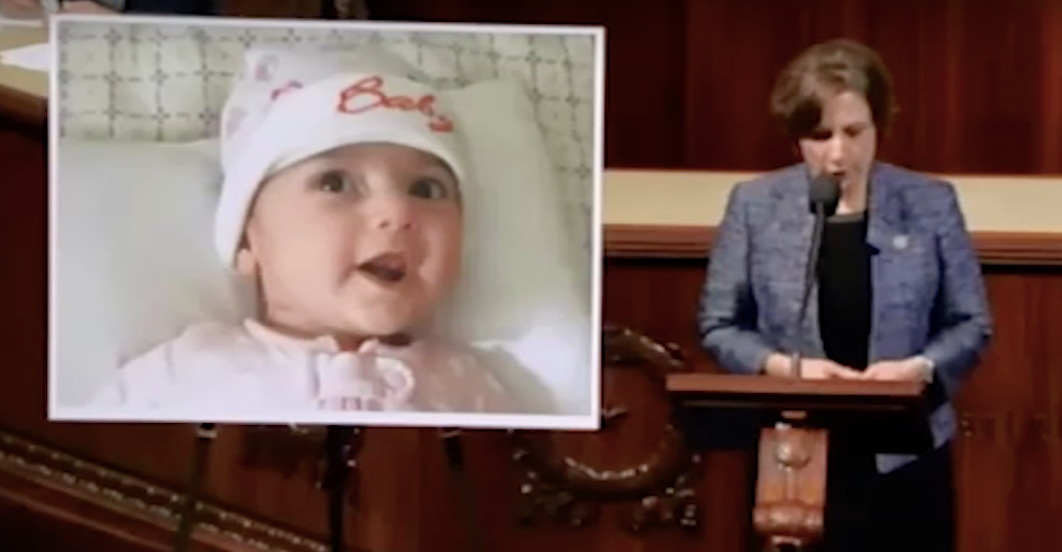
“This is Fatemeh,” Rep. Suzanne Bonamici said from the floor of the House on Friday. “She is not a terrorist. She’s a 4-month-old baby girl who is in immediate need of open-heart surgery. Her parents desperately want the best care for her, so they planned to bring her from their home in Iran to Portland, Oregon, to one of the best hospitals for pediatric heart surgery.
"That’s where Fatemeh’s uncle and grandparents all live – they are US citizens.”
Hours later it was announced that Fatemeh would receive an exemption. And that she would be headed to Oregon.
“We are very excited to meet her and her family," Armsby says.
Fatemeh’s grandparents and uncle live in Oregon, which is a major reason she is going to OHSU as opposed to New York, where hospitals and politicians had also played a major role in getting her clearance to come to the United State.
New York Gov. Andrew Cuomo was working with the state’s congressional delegation to ensure her entry to the United States, saying that the ban would keep Fatemeh from getting medical help was “unfortunate and egregious.
“Bizarrely, the federal ban would prevent this child from receiving medical care and literally endanger her life," he said. "It is repugnant to all we believe as Americans and as members of the human family.”
Cuomo said that the state was working with the International Refugee Assistance Project to arrange her transportation and that Mt. Sinai Hospital in New York — which has “extensive experience” with patients with this condition, Cuomo said — had offered to provide the care at no cost to the family.
He added that the New York-based law firm of Paul, Weiss, Rifkind, Wharton, and Garrison had agreed to pay the costs of the family’s stay in New York.
In the end, though, it was decided that bringing Fatemeh to OHSU was the better option.
“Families are as important as doctors and nurses to help children survive and thrive,” says Braner. “This child coming here to Portland where her grandparents live and her uncle lives, will give the child a chance to be supported by the family.
“We believe that's a good thing.”
Armsby agrees.
“Having a family nearby to give aid and comfort to a child we believe is extraordinarily important for a child to recover,” she says.
If Fatemeh had been born in the United States, the defect would have been diagnosed and treated immediately. In her condition, the heart — which normally sends blood to the lungs, where it picks up oxygen before returning to the heart and then to the body where he oxygen is distributed — never sends the blood to the lungs, depriving the body of the oxygen that it needs.
“Our concern is that the time has complicated her condition and the blood flow has begun to injure her lungs,” Armsby says. “We believe those processes are reversible.”
If the situation had gone on for months as opposed to weeks, however, Armsby says it could have become irreversible.
Armsby and colleague, Dr. Irving Shen, the head of Pediatric Cardiothoracic Surgery at Doernbecher, say that while the defect is rare, it is not an uncommon procedure.
Shen says they performed three during the Christmas break and between six and 10 a year. The whole procedure, from the time the child enters the operating room, lasts about six hours, though the actual repair takes about 90 minutes.
Armsby says that while they don’t know exactly when Fatemeh will be arriving, as soon as she does, they will assess her condition and make sure that he is stable and a good candidate for surgery.
“The family is overwhelmingly relieved and thrilled,” says their immigration lawyer, Jennifer Morrissey. “It’s been a real whirlwind for them. The travel ban forced them to cancel their travel plans and their plans to come here were halted.
“They really thought that they would be living with this medical condition. They were in limbo."
Armsby says that “one of the blessings in this situation is that Fatemeh is safe to travel. She will not need special considerations for her flight. The sooner she gets here, the better.”
Braner says that the costs of getting Fatemeh here are being paid by the International Refugee Assistance Program, and the doctors are waiving their fees.
“We want to take as much of the burden from this family as humanly possible,” Braner says, adding — in a nod to the political world — that “no public funds will go to this child’s care.”
Braner says they are proud to be helping Fatemeh — that giving her care is in keeping with Doernbecher’s 90-year history.
“We have never turned a way a child and never expect to,” he says.
Photo of Suzanne Bonamici via C-SPAN
Other photos courtesy OHSU
Get more local news delivered straight to your inbox. Sign up for free Patch newsletters and alerts.