Arts & Entertainment
Philly Beer Week Calls for Cooking with Ale
Restaurants are cooking with beer-- you should too.


All the beer taps are in full force this week as Philly Beer Week continues to draw people into bars and restaurants all over the region. From Abington to Cherry Hill, N.J., the suburbs are getting into the act, too.
Many restaurants are hosting beer pairing dinners where sommeliers and chefs artfully match each course with a beer. Most Philadelphia chefs take this to a new level by cooking the dinner with unique ales.
The city’s top chefs may be pushing palates with brews, but it’s a longstanding tradition in Philadelphia to cook with beer.
Find out what's happening in Abingtonfor free with the latest updates from Patch.
Chef Walter Staib, proprietor of City Tavern restaurant said that home cooks and tavern keeps in Philadelphia have used beer for centuries to season dinners.
He points to a classic dish that American still love to eat – ale braise sausage – that was documented in the 18th Century.
Find out what's happening in Abingtonfor free with the latest updates from Patch.
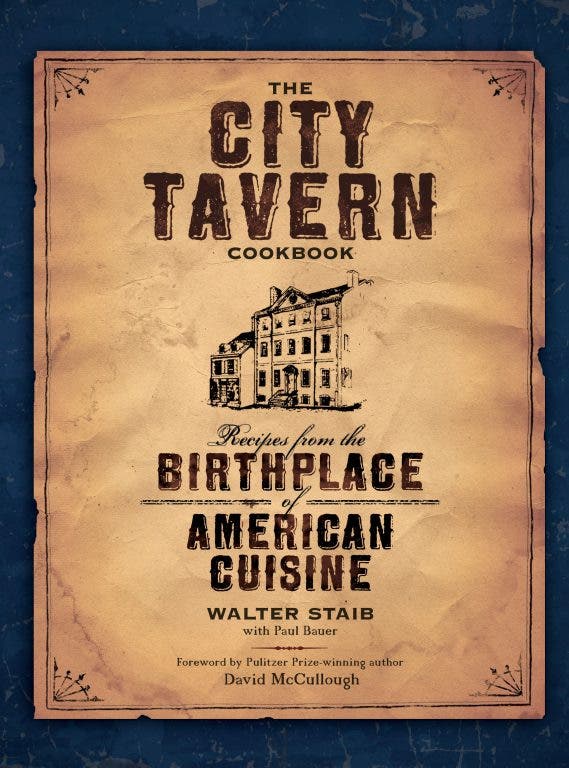
“Most colonial cooks would simply fry their sausages in butter and serve over toast, but German settlers would have occasionally prepared this special recipe by incorporating two of their most favorite ingredients: ale and mustard,” according to Staib’s cookbook “City Tavern: Birthplace of American Cuisine.”
Another recipe that calls for ale from an original cookbook published in the 18th century was Hannah Glasse’s guide for housewives. This book is still in print today and many historians, including Staib, use it as a guide to what Americans ate in the first years of the nation.
In the book, she gave instructions to make a “catchup to last 20 years.” The condiment is not similar to the tomato-based sauce Americans now know as ketchup, but was more like a fermented fish sauce or Worcestershire Sauce to brighten up the flavor of seafood dishes. It was apparently a recipe popular among sailors of the day, who would have made the sauce before sailing and kept it in the hull of a ship for decades.
“The more I research 18th Century recipes and what the cooks used, the more fascinated I am,” Staib said.
While most modern-day cooks don’t want to ferment fish for 20 years to make a sauce, Staib said the recipe is a good example of the frugality of 18th Century Philadelphians.
Today, chefs are boiling sausages or tenderloins in beer and adding ale to chili, sauces and sides as a way to wow diners, especially those who come to the city for Philly Beer Week. But the cooks of yesteryear were doing the same thing with their stale beer so it wouldn’t go to waste. No matter the inspiration, cooking with beer is a tradition worth keeping in Philadelphia.
Chef Staib presents a special Philly Beer Week menu at City Tavern, “Taste of Revolution” with a four-course dinner paired with four ales. For more information, go to www.citytavern.com.
--
This recipe is from Hannah Glasse’s book, “Cooking Made Plain and Easy,” first published in 1745:
“For CAPTAINS of SHIPS.
(Many of the Receipts in the Chapter are very uſeful in Families.)
To make Catchup to keep twenty Years.
Take a gallon of ſtrong ſtale beer, one pound of anchovies waſhed from the pickle, a pound of ſhalots peeled, half an ounce of mace, half an ounce of cloves, a quarter of an ounce of whole pepper, three or four large races of ginger, two quarts of the large muſhroom-flaps rubbed to pieces; cover all this cloſe, and let it ſimmer till it is half waſted, then ſtrain it through a flannel bag; let it ſtand till it is quite cold, then bottle it. You may carry it to the Indies. A ſpoonful of this to a pound of freſh butter melted makes a fine fiſh-ſauce, or in the room of gravy ſauce. The ſtronger and ſtaler the beer is, the better the catchup will be.”
--
Ale-Braised Sausage
From The City Tavern Cookbook: Recipes from the Birthplace of American Cuisine ©2009 by Walter Staib
--
Serves 4
8 purchased pork sausages (about 2 pounds), cooked
2 tablespoons unsalted butter
2 large yellow onions, thinly sliced
2 medium shallots, chopped
2 garlic cloves, chopped
4 cups dark ale
1 cup Demi-Glace
2 teaspoons Dijon mustard
Salt and freshly ground black pepper
--
Preheat the oven to 350°F.
With a small paring knife, make shallow, diagonal cuts in the sausages. Place them in a shallow baking pan and bake for about 5 minutes, until brown. Remove from the oven and reserve.
Heat the butter in a large skillet over high heat, add the onions, shallots, and garlic, and cook for 3 minutes, until golden. Add the sausages. Add the ale to deglaze the pan, loosening any browned bits on the bottom of the pan with a wooden spoon. Cook over medium heat for about 10 minutes, until the ale is reduced so it just coats the bottom of the pan. Transfer the sausage to a serving platter and keep warm.
Increase the heat to high and stir the demi-glace and mustard. Cook for 5 to 8 minutes, until the mixture is reduced by half. Season with salt and pepper to taste.
To serve, spoon the onion mixture over the sausages.