Politics & Government
Cuts, Changes To Medicaid Proposed In New Bill: What To Know In PA
Republicans say they're rooting out fraud and abuse. But some in PA say the bill's cuts could be catastrophic. Details:


PENNSYLVANIA — House Republicans have unveiled the cost-saving centerpiece of President Donald Trump’s new bill that could have a big effect on Pennsylvania's 3,191,750 Medicaid enrollees.
The legislation unveiled Sunday calls for at least $880 billion in cuts — largely to Medicaid to help cover the cost of $4.5 trillion in tax breaks. The proposal is touching off the biggest political fight over healthcare since the attempt to overturn the Affordable Care Act during Trump's first term in 2017.
Pennsylvania's State Democratic Speaker of the House Joanna McClinton was in Washington over the weekend to fight against the bill.
Find out what's happening in Across Pennsylvaniafor free with the latest updates from Patch.
"The proposed cuts would be catastrophic for our state's economy," McClinton said. "Cutting funding would cause a severe shock to our nation's health systems, threatening the healthcare workforce and our hospitals, especially in rural areas."
Pennsylvania hospitals received about $2 billion in Medicaid payments in 2023, most of which was used to offset costs that were not compensated for uninsured patients.
Find out what's happening in Across Pennsylvaniafor free with the latest updates from Patch.
McClinton warned that the cuts could cause a loss of some 21,000 direct healthcare jobs in Pennsylvania, and another 19,000 jobs indirectly related to the industry, as soon as 2026.
Pennsylvania Congressman Scott Perry argues there are numerous examples of Medicaid abuse in what Trump calls the "big, beautiful bill."
"Who knew?" Perry wrote on X. "We’re trying to revamp Medicaid to make it better for the people on it, who need it, AND who are paying for it, but this is extremely controversial in Washington? Hmmm..."
Pennsylvania Human Services Secretary Val Arkoosh argued vehemently against the legislation.
"Medicaid covers approximately 3 million people in Pennsylvania, and more than 750,000 are covered because of the Medicaid expansion," she said. "Medicaid also helps our economy, with 15,000 jobs in Pennsylvania because of the Medicaid expansion."
Central to the savings are changes to Medicaid, which provides almost free health care to more than 70 million Americans, and the Affordable Care Act, which has expanded in the 15 years since it was first approved.
Republicans insist new work and eligibility requirements are needed to root out abuse, but Democrats warn millions of Americans will lose their coverage. The nonpartisan Congressional Budget Office said in a preliminary estimate that 8.6 million people nationwide would lose their healthcare over a decade.
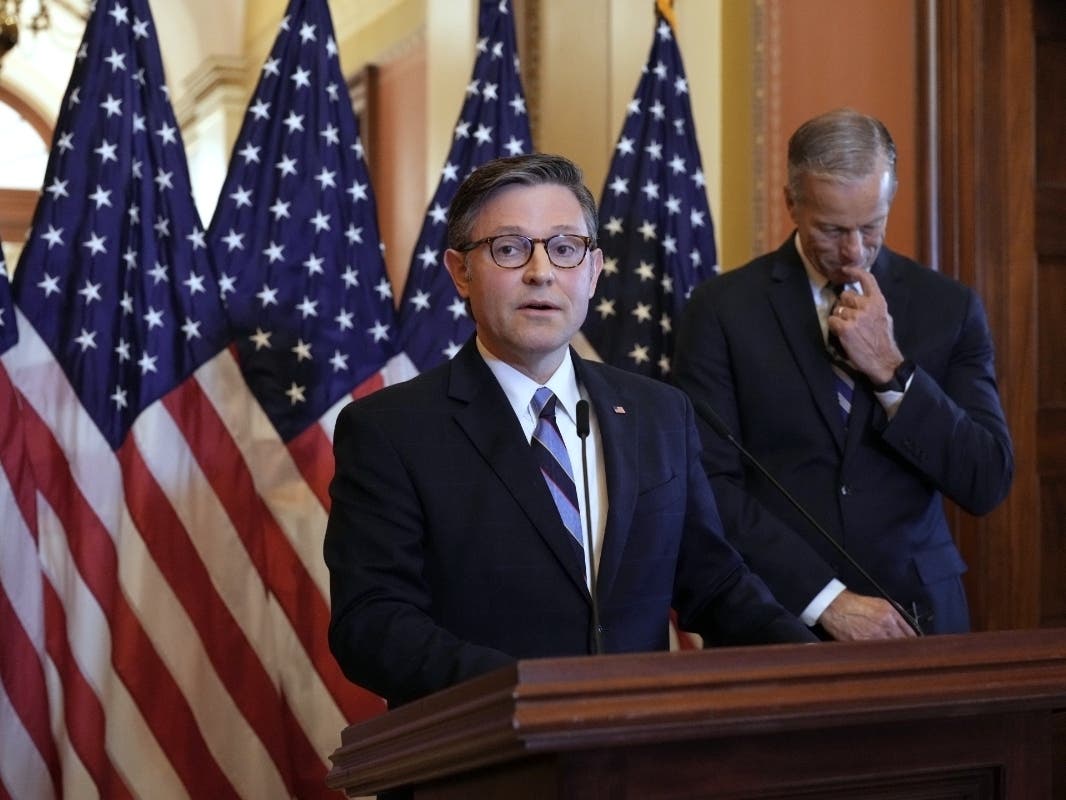
Republicans are planning around-the-clock hearings this week on various sections to meet House Speaker Mike Johnson’s Memorial Day deadline to pass the bill.
“Savings like these allow us to use this bill to renew the Trump tax cuts and keep Republicans’ promise to hardworking middle-class families,” said Rep. Brett Guthrie of Kentucky, the GOP chairman of the Energy and Commerce Committee, which handles health care spending.
Democrats said the cuts are “shameful” and essentially amount to another attempt to repeal Obamacare.
“In no uncertain terms, millions of Americans will lose their health care coverage,” said Rep. Frank Pallone of New Jersey, the top Democrat on the panel. “Hospitals will close, seniors will not be able to access the care they need, and premiums will rise for millions of people if this bill passes.”
According to data from KFF, Medicaid and CHIP (Children’s Health Insurance Program), of Medicaid recipients nationwide:
- 82 percent are children living below the poverty level;
- 62 percent are people living in nursing homes;
- 41 percent are pregnant women giving birth;
- 39 percent are children;
- 31 percent are non-elderly adults with disabilities;
- 19 percent are Medicare recipients.
The politics ahead are uncertain. More than a dozen House Republicans have told Johnson and GOP leaders they will not support cuts to the health care safety net programs that residents back home depend on. Trump himself has shied away from a repeat of his first term, vowing there will be no cuts to Medicaid.
Medicaid is a valued safety net program, according to a recent KFF poll that showed 77 percent of Americans and 84 percent of Medicaid recipients view it favorably. Nearly half (46 percent) and two-thirds of Medicaid enrollees believe the federal government isn’t spending enough on the program, according to the poll.
To be eligible for Medicaid, there would be new "community engagement requirements" of at least 80 hours per month of work, education or service for able-bodied adults without dependents. People would also have to verify their eligibility to be in the program twice a year, rather than just once.
This is likely to lead to more churn in the program and present hurdles for people to stay covered, especially if they have to drive far to a local benefits office to verify their income in person. But Republicans say it'll ensure that the program is administered to those who qualify for it.
Many states have expanded their Medicaid rosters thanks to federal incentives, but the legislation would cut a 5 percent boost that was put in place during the COVID-19 pandemic. Federal funding to the states for immigrants who have not shown proof of citizenship would be prohibited.
There would be a freeze on the so-called provider tax that some states use to help pay for large portions of their Medicaid programs. The extra tax often leads to higher payments from the federal government, which critics say is a loophole that creates abuse in the system.
The Associated Press contributed reporting.
Get more local news delivered straight to your inbox. Sign up for free Patch newsletters and alerts.