Politics & Government
Drought Watch Issued In 36 PA Counties, Water Conservation Urged
Residents are asked to reduce water use by 5 to 10 percent as drought conditions spread in Pennsylvania.


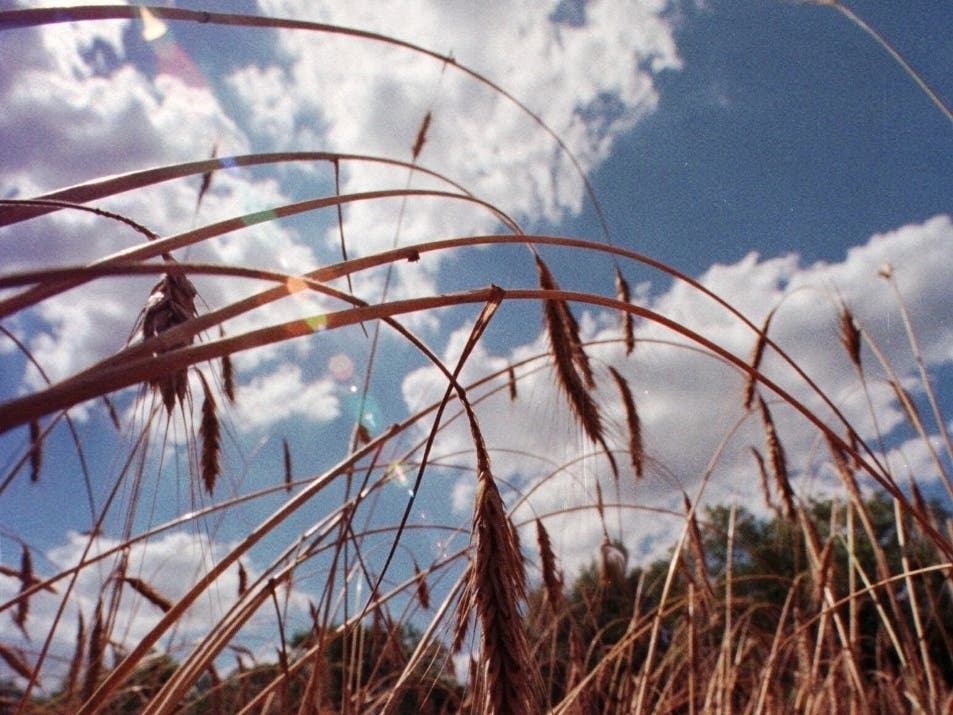
PENNSYLVANIA — Fueled by a warming world that is experiencing aridification at a historic rate on multiple continents, drought conditions continue to spread around the region and in Pennsylvania. While the state has been trending extremely dry for months, the state finally issued a formal drought watch Wednesday in 36 counties.
The watch impacts nearly the entirety of eastern Pennsylvania and much of north and central Pennsylvania. Residents in these counties are asked to voluntarily reduce their water use by 5 to 10 percent, or three to six gallons per day.
“A few counties have experienced very dry conditions over the summer, and a number of others have inched into increasingly dry conditions in recent weeks," Pennsylvania Department of Environmental Protection Acting Secretary Ramez Ziadeh said in a statement. "We’re asking Pennsylvanians in all of these counties to use water wisely and follow simple water conservation tips to ease the demand for water."
Find out what's happening in Across Pennsylvaniafor free with the latest updates from Patch.
RELATED: Historic Drought Conditions Threaten PA, Region
Depending on what local conditions are, state officials warn that local water suppliers or municipalities "may" ask residents to adapt even more strict conservation measures. The state has already notified water suppliers in all impacted counties to monitor their levels, and to update their contingency plans.
Find out what's happening in Across Pennsylvaniafor free with the latest updates from Patch.
Drought watches and related declarations are based on four factors: stream flow, groundwater level, precipitation, and soil moisture. They take into account weeks and months of patterns, and a bout or two of severe rainfall — particularly when it is concentrated in short bursts — is not sufficient to alleviate the lingering effects of a system that is behaving with increasing irregularity.
While the request to residents in the 36 counties to reduce water usage is voluntary, Pennsylvania is requiring a reduction of water use from two of its suppliers: Galeton Borough Water Authority in Potter County and Waterville Water Association in Lycoming County.
Counties impacted by the watch include Berks, Bucks, Bradford, Cameron, Carbon, Centre, Clearfield, Clinton, Columbia, Dauphin, Delaware, Juniata, Lackawanna, Lebanon, Lehigh, Luzerne, Lycoming, McKean, Mifflin, Monroe, Montgomery, Montour, Northampton, Northumberland, Perry, Philadelphia, Pike, Potter, Schuylkill, Snyder, Sullivan, Susquehanna, Tioga, Union, Wayne, and Wyoming.
A notable exception to the list is Chester County, as drought warnings were issued for the counties surrounding it in three directions.
The watch impacts the counties identified as "abnormally dry" by the U.S. Drought Monitor. That now includes 44.5 percent of the entire state. Another 6.9 percent is already experiencing "moderate drought," according to scientists with the Drought Monitor, which is run by the National Oceanic and Atmospheric Administration.

Under this abornmally dry classification, the National Drought Mitigation Center notes numerous agricultural impacts, including stunted crop growth and delayed planting. Gardens and lawns also wilt, and, notably, the risk of wildfires is increased.
Periods of drought interspersed with the severe and devastating storms that have hit the Delaware Valley are likely to be the norm heading into the future, as the impacts of climate change continue to make themselves felt. Climate change creates conditions that exacerbate both severe weather and drought: when things are dry, lingering heat and increased evaporation rates are likely to make them even drier. And when storms hit, they draw more moisture from a warmer ocean.
For droughts specifically, water evaporates more quickly when it's warmer. Hotter soils are drier. Drought conditions mean less greenery is growing, which means that plants are absorbing less CO2, creating a feedback loop that contributes to warming.
Drought conditions have been wreaking havoc in the west for years, but conditions have been particular damaging since 2020. Parts of the midwest and east have seen a historically dry summer in 2022,
What You Can Do
The Department of Environmental Protection recommends the following steps to limit water use:
- Don't water lawns
- Don’t let the faucet run while brushing your teeth or shaving
- Shorten the time you let the water run to warm up before showering
- Run the dishwasher and washing machine less often, and only with full loads
- Water your garden in the cooler evening or morning hours, and direct the water to the ground at the base of the plant, so you don’t waste water through evaporation
- Avoid watering on windy and hot days
- When mowing your lawn, set the blades to 2-3 inches high. Longer grass shades the soil, improving moisture retention. It also grows thicker and develops a deeper root system, so it can better survive drought
- Replace older appliances with high-efficiency, front-loading models that use about 30 percent less water and 40-50 percent less energy.
- Set up a rain barrel to be ready to repurpose rain when it does fall. For information, see this Penn State Extension guide
Get more local news delivered straight to your inbox. Sign up for free Patch newsletters and alerts.