Politics & Government
These PA Industries Hit Hardest In U.S.-China Trade War
Some of Pennsylvania's largest, world-leading industries export to China and are gravely threatened by the tariffs, economists say.


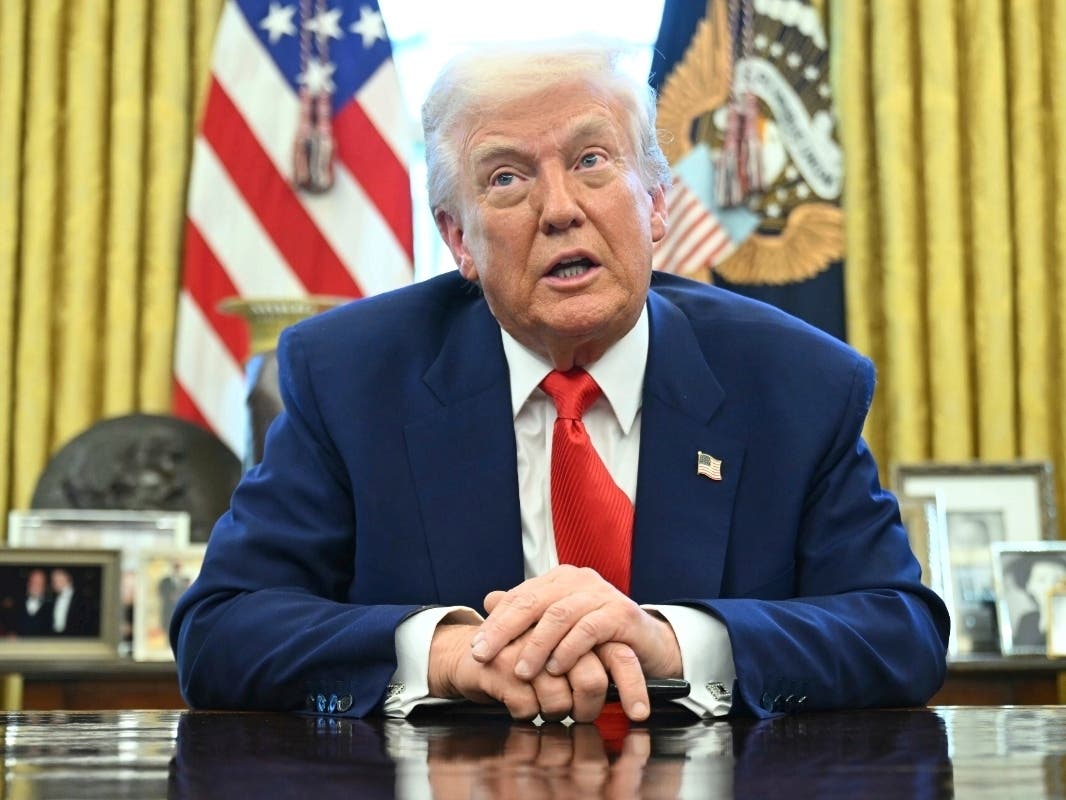
PENNSYLVANIA — Some of Pennsylvania's world-leading industries, which contribute some $3.1 billion in exports to China and involve some 24,020 jobs, are at risk because of President Trump's trade war, according to economic analysts.
Trump pulled back on some tariffs Wednesday, leaving a 10 percent across-the-board tariff in place, but delaying more punitive taxes for 90 days with a lone exception. China increased its duties on U.S. goods to 84 percent in response to the tariffs, and Trump stuck back by raising the duty on imports from China to 125 percent. The stock market quickly responded to the announcement, with stocks surging to one of their highest gains since World War II.
Some 6 percent of all of Pennsylvania's global exports went to China in 2023, the year for which the most recent statistics are available, the U.S.-China Business Council said.
Find out what's happening in Across Pennsylvaniafor free with the latest updates from Patch.
By far, the hardest hit Pennsylvania industry is the metals industry: some $477 million in nonferrous metal products — not steel — went from the Keystone State to China in 2023.
Pennsylvania's other major industries impacted include pharmaceuticals ($227 million), oil and gas ($169 million), coal ($164 million), and navigational instruments ($150 million).
Find out what's happening in Across Pennsylvaniafor free with the latest updates from Patch.
The state is home to some of the world's largest mega-corporations in each of those categories, including pharma giants like AmerisourceBergen, Merck, and GlaxoSmithKline, and aluminum companies like Pittsburgh's Alcoa.
"There is all kinds of confusion in the marketplace because of what Donald Trump has done," Gov. Josh Shapiro said at the Port of Philadelphia Thursday as part of a 'Standing up for PA Industry' event. "What the president has done is inject chaos and raise prices on Pennsylvania consumers - that's not the answer."
Related: Trump Announces 90-Day Pause On Tariffs: PA Leaders React
Concerns from the state's massive agricultural industry have been at the forefront for weeks, in part due to federal funding cuts and the loss of critical USDA programs, and in part due to the impact of tariffs.
“Tariffs are taxes, plain and simple," Shapiro said at an event with lumber companies in Mifflin County last week. "They make it harder for our farmers to do business, weaken their competitiveness in key markets, and trigger retaliatory tariffs on Pennsylvania goods. The last thing Pennsylvanians need is Washington, D.C., raising taxes and driving up costs."
The governor's administration has also warned of tariffs "provoking retaliatory measures from trade partners and jeopardizing (Pennsylvania's) key export sectors — including dairy and hardwood."
In 2023, U.S. exports to China amounted to $144.9 billion and supported almost 1 million jobs. The tariffs have divergent effects on states, even within industries. The hardest hit are those that produce soybeans, semiconductors, pharmaceutical preparations and crude oil, the top U.S. exports to China.
Of the $144.9 billion in exports in 2023, $125 billion was for products grown, produced or manufactured domestically, and the remainder was for foreign goods re-exported to China.
More than 931,000 U.S. jobs are supported by exports to China, outnumbering those supported by the next two Asian markets combined, the report said. Agriculture and livestock exports to China support more U.S. jobs than any other sector by a wide margin.
The report noted that U.S. exports to China dropped by 4.3 percent in 2023 due to stunted economic growth in China, Russia’s war in Ukraine, and strained U.S.-China relationships, as well as long-standing barriers such as tariffs. Soybeans, other oilseeds, and grains fell by $7 billion.
“Challenges in that sector worsen if other producers continue to become more competitive or if these products are targeted in a future tariff spat,” the report said.
Exports of semiconductors have also fallen by several billion dollars, or 52 percent since the peak in 2021. Oregon was among the hardest hit states by the national decline in this category.
The full 2024 report on U.S. exports to China is available online.
Get more local news delivered straight to your inbox. Sign up for free Patch newsletters and alerts.