Politics & Government
Inflation Reduction Act: What Massive Climate Legislation Means For PA
The largest climate change investment in US history could have sweeping impacts for the future of Pennsylvania. Details:


PENNSYLVANIA — By the time a bill is thoroughly vetted and earmarked, checked and balanced and hedged through committee after committee like Santiago's marlin in Old Man and the Sea, the final shark-bitten husk that is finally dragged to the shores of the president's desk is often but a skeleton of the force of nature its authors once dreamed it could be.
And while the passage of Sunday's massive piece of climate legislation left some feeling gassy over concessions to the oil industry, the curiously named Inflation Reduction Act was received with plaudits from around Pennsylvania.
"We’re currently living in a moment when once-in-a-lifetime storms are happening every couple of months," U.S. Sen. Bob Casey (D-PA) said. "Severe weather conditions are now the norm. While hurricane remnants are flooding the Vine Street Expressway in Philadelphia, out west states are on fire and lakes are disappearing in the worst drought in a millennium."
Find out what's happening in Across Pennsylvaniafor free with the latest updates from Patch.
The bill allocates $369 million into climate mitigation efforts and clean energy, while implementing a national plan to reduce greenhouse emissions 40 percent by 2030. While it's been harangued for 18 months, bellicose bellwether Sen. Joe Manchin's (D-WV) equivocating led to a compromise that brought the vote to a 50-50 tie in the U.S. Senate. Vice President Kamala Harris broke the tie.
Casey said that he ensured historic bill, the largest investment America has ever made into addressing climate change, would mean job gain, not job loss, for Pennsylvanians.
Find out what's happening in Across Pennsylvaniafor free with the latest updates from Patch.
"I successfully fought to include a provision that will promote the creation of family-supporting clean manufacturing jobs here in the U.S. rather than in competitors like China," Casey said. "Because we don’t have to choose between green energy and our workers longer need to "choose between green energy and our workers."
Specifically, the bill includes investments in Pennsylvania's coal communities, with continued funding earmarked for the Black Lung Benefits program.
Machin's efforts were pilloried by outgoing U.S. Sen. Pat Toomey (R-PA).
“But it really looks to me like Joe Manchin has been taken to the cleaners,” Toomey said Sunday on CNN's 'State of the Union.' He argued that other aspects of the bill, such as a 15 percent tax on corporations with more than $1 billion in profit, would make inflation even worse.
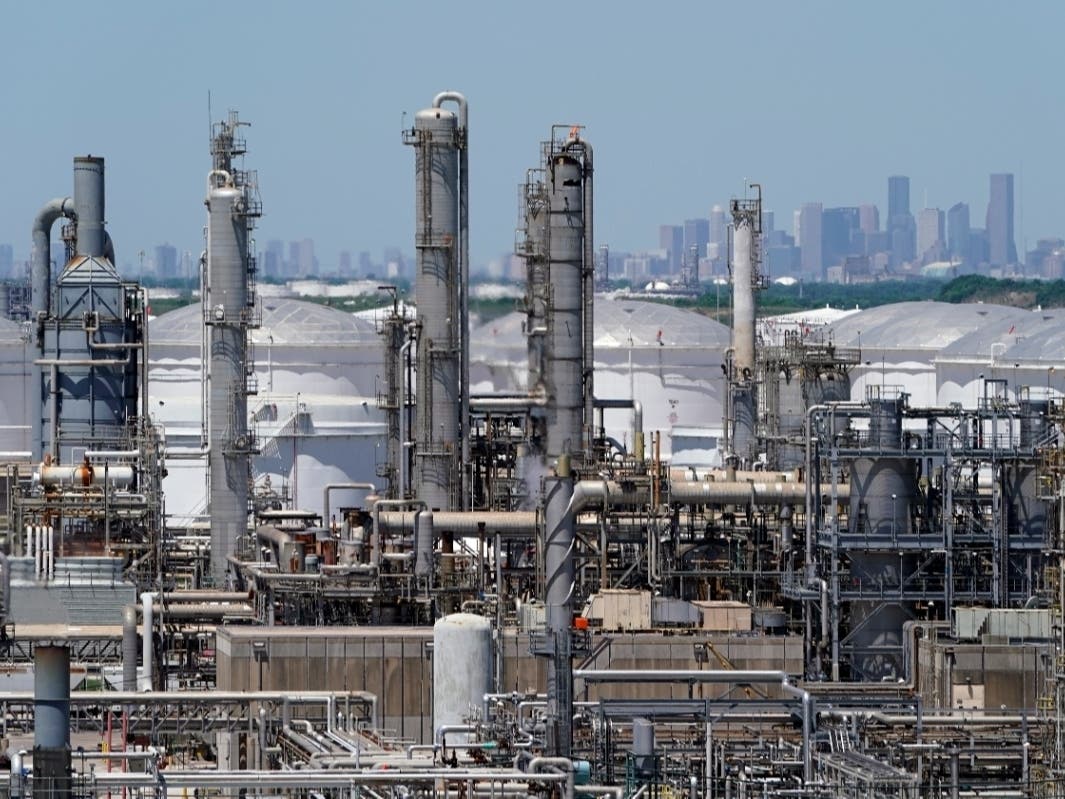
Conversely, oil industry giants have praised the legislation, which has raised doubts about its effectiveness to fight climate change from some environmental advocates and politicians. The law would block the Interior Department from issuing any wind and solar development rights of way before first holding oil and gas lease sales. The federal agency would also have to offer at least 60 million acres of federal waters in oil and gas sales per year before leasing any waters for offshore-wind development.
Further, critics point to the fact that the bill preserves the status quo for oil companies in Manchin's fossil fuel mecca of West Virginia, while also opening up several Native American communities to leasing for drilling.
Brett Hartl, with the Centers for Biological Diversity, called it a "climate suicide pact."
“It’s self-defeating to handcuff renewable energy development to massive new oil and gas extraction," Hartl said. "The new leasing required in this bill will fan the flames of the climate disasters torching our country, and it’s a slap in the face to the communities fighting to protect themselves from filthy fossil fuels."
Further changes were proposed to the bill by Sen. Bernie Sanders (I-VT) but ultimately rejected by Democrats who were seeking a more moderate position to appease Manchin.
Beyond climate, the deal also contains provisions to empower Medicare to negotiate prices with pharmaceutical companies for the first time, cutting prescription drug prices for people 65 and older. The savings would help pay for a three-year extension to Affordable Care Act subsidies, which would stave off an expected rise in health insurance premiums that had been set to go into effect next year.
The package also includes a cap on the price of insulin for seniors on Medicare. But an amendment that would have capped insulin at $35 per month failed. The amendment received a 57-43 vote but required 60 votes to waive special budgetary rules.
With reporting from Patch correspondent Josh Bakan
Get more local news delivered straight to your inbox. Sign up for free Patch newsletters and alerts.