Home & Garden
Invasive Jumping Worms Spreading Across US, Including In PA
Asian jumping worms that can leap a foot in the air are moving rapidly across the country.


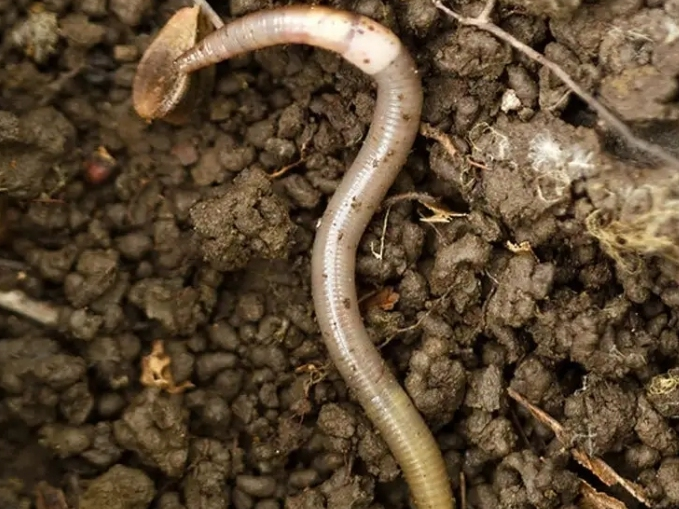
Asian jumping worms, an invasive, soil nutrient-gobbling earthworm that can leap a foot in the air, are moving rapidly across the country, with sightings in 38 states, including Pennsylvania.
Asian jumping worms — their scientific name is Amynthas agrestis — earn their nickname, and their reputation. They’re also called Alabama jumpers, Jersey wrigglers, wood eel, crazy worms, snake worms, and crazy snake worms.
Also known as the “crazy worm,” they have recently been spotted as far west as California and Colorado.
Find out what's happening in Across Pennsylvaniafor free with the latest updates from Patch.
In Pennsylvania, jumping worms have been reported in at least seven counties, according to a 2024 study from the Pennsylvania Natural Heritage Program.
According to data from EDDMapS, an online mapping service, other states reporting sightings include:
Find out what's happening in Across Pennsylvaniafor free with the latest updates from Patch.
Northeast and Mid-Atlantic: Connecticut, Delaware, Maine, Maryland, Massachusetts, New Hampshire, New Jersey, New York, Rhode Island, Vermont, Virginia and West Virginia.
Midwest: Illinois, Indiana, Iowa, Kansas, Michigan, Minnesota, Missouri, Nebraska, Ohio and Wisconsin.
South and Southeast: Alabama, Arkansas, Georgia, Kentucky, Louisiana, Mississippi, North Carolina, South Carolina and Tennessee
West and Mountain West: California, Colorado, Oregon and Washington.
The jumping worm’s common names are descriptive of “the way they thrash around,” USDA Forest Service soil scientist Mac Callaham said in a post on the agency’s website. “They can flip themselves a foot off the ground.”
Harmless earthworms aerate the soil and help prep it for growth, but once jumping worms have had their way in your dirt, it will have the consistency of coffee grounds and be about as useful for growing anything but frustration. Jumping worms also elbow other species out of the way, according to experts.
Jumping worm populations grow quickly through a couple of generations a season. Like other worms, they’re hermaphrodites, meaning they have both male and female reproductive organs, but with a distinction: Jumping worms reproduce on their own.
Jumping worms expend a lot of energy, which they fuel by eating everything in their path. That includes leaf litter, the first layer of soil on the forest floor, home not only to many unseen tiny creatures but also an important source of nutrients that plants need to sprout and grow.
Scientists say they need to learn more about the ecology of jumping worms before prescribing a management plan.
Jumping worms vary from red to brown in color. They can grow up to 6 inches in length, and their bodies may appear metallic. There’s no way to completely eradicate them, experts say, but some steps to control their spread include:
- Avoid moving soil, compost or potted plants from yards if infestation is suspected.
- Inspect all potted plants and soil before moving, sharing or bringing them into gardens, and consider buying bare-root stock.
- When purchasing bulk mulch or compost, confirm it has been heat-treated to at least 130 degrees Fahrenheit for three days to kill the cocoons.
- If you find them in your garden, seal them in a plastic bag and leave it in the sun for about 10 minutes before throwing it in the trash, or drown them in soapy water, vinegar or alcohol for about 20 minutes.
Get more local news delivered straight to your inbox. Sign up for free Patch newsletters and alerts.