Politics & Government
Pa. Democrats Think A Tax On Big Tech Companies Could Help The State's Deficit
The proposal would implement a 5% gross receipts tax on digital advertising platforms.

April 30, 2026
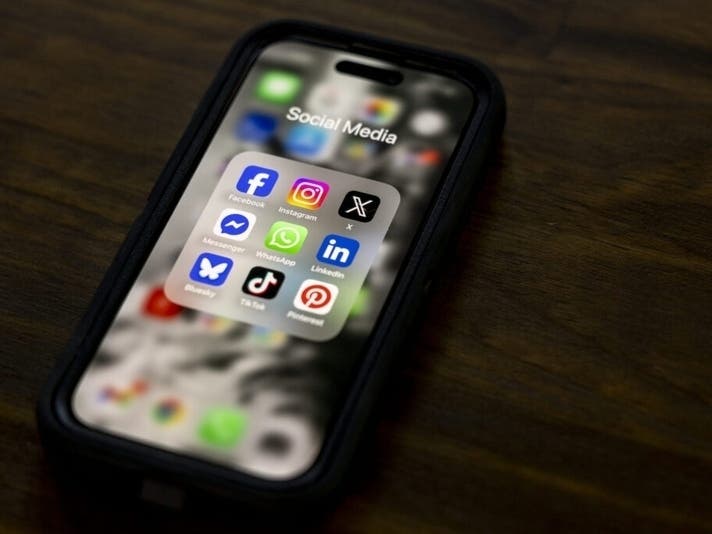
A proposal in the state House would place a tax on companies that serve digital advertisements to Pennsylvanians through their phones and computers.
Find out what's happening in Across Pennsylvaniafor free with the latest updates from Patch.
The chamber’s Finance Committee held a hearing Wednesday on the measure.
Bill sponsor Rep. Elizabeth Fiedler (D-Philadelphia) said it targets “some of the biggest companies in the world – Google, Meta, Amazon, Microsoft – and calls on them to simply pay their fair share for doing business in our commonwealth.”
Find out what's happening in Across Pennsylvaniafor free with the latest updates from Patch.
It would do this by imposing a 5% gross receipts tax on revenue from digital advertising services in Pennsylvania. Many major tech companies make the bulk of their revenue selling targeted ads.
According to a report on the industry by the consulting firm Pricewaterhouse Coopers, in 2024, just over 80% of all internet advertising revenue went to the top 10 companies. Another 11% went to the top 11th through 25th.
Proponents say the tax would help offset the state’s structural deficit in a way that would not affect most Pennsylvanians. But its critics say it could cost businesses across the commonwealth that advertise on platforms like Google and Facebook, which could raise prices in the state to compensate.
“Pennsylvania businesses are increasingly turning to online marketing strategies to meet their customers where they are,” Pennsylvania Chamber of Business and Industry Vice President Neal Lesher wrote in testimony submitted to the Finance Committee. “With businesses still struggling due to inflation and increased supply chain costs, now is exactly the wrong time to impose new taxes on a common business practice.”
The chamber also warned the proposal could result in costly litigation, a point even its supporters acknowledge.
That’s what happened in Maryland, the first state in the country to enact a similar policy, which was signed in 2021. It was sued by tech companies including Apple, Google, Meta and Peacock; NetChoice, a trade group representing some of the largest tech and social media companies in the country; the U.S. Chamber of Commerce and the Computer & Communications Industry Association.
Litigation has been ongoing for years, and has so far resulted in a section of the law being struck down that barred digital advertising platforms from charging advertisers an itemized fee to cover the tax.
“Will you be sued? Yeah, absolutely,” said Darien Shanske, a professor at the University of California Davis School of Law who testified in favor of the bill. “I wish I could say that’s not the case, but the question is: given that you’re in the right on the policy and legal matter, are you gonna let the fact that you’re going to eventually be sued keep you from doing the right thing?”
However, advocates for the policy testified in committee that Fiedler’s bill took lessons from what passed in Maryland. It does not include language that would bar digital advertising platforms from charging a fee or surcharge, similar to the part of Maryland’s bill found unconstitutional.
Another backer who testified Wednesday, Gabriela Noa Betancourt, the senior director of research at Action Center on Race and the Economy, said the measure is not intended to cost companies that advertise on platforms like Facebook and Google, but to extract a tax from the tech companies themselves, which make products used by millions of Pennsylvanians.
“We don’t think about them as advertising companies, but they could not exist without being these advertising companies,” she said. “On the concerns about passing costs down, I found it helpful as I’m on social media on the internet to take note of which companies are actually advertising on these platforms … the bulk of the companies advertising I would not say are small businesses.”
The bill includes an exemption for broadcast and news media companies like television and radio stations, or online news outlets that sell banner ads.
The bill has earned 49 co-sponsors, all Democrats.
The measure is part of a package of bills being pushed by a coalition of progressive organizations called Pennsylvanians for Accountability from Yass, Billionaires and Corporations (PAYBAC).
It includes two other proposals. One would close what’s known as the Delaware loophole, where companies establish holding companies in Delaware to avoid Pennsylvania corporate taxes. The other would raise taxes on non-wage income from sources like trusts and dividends on stock sales.
House Finance Chair Steve Samuelson (D-Northampton) told the Capital-Star that he hopes to bring the digital advertising tax measure up for a vote in his committee in June, and would like to see the proposal considered in budget negotiations.
According to the Independent Fiscal Office, Pennsylvania’s structural deficit could grow to $6.7 billion next year if lawmakers enact Gov. Josh Shapiro’s 2026-2027 spending plan without creating new sources of revenue.
The proposed tax, Samuelson said, could help plug the gap. Or, he said, it could be used to backfill federal funding cuts to services like Medicaid and SNAP, many of which will kick over the next year.
He estimated the tax could raise as much as $500 million a year based on estimates of industry-wide digital advertising revenue and the share of users in Pennsylvania.
The Pennsylvania Capital-Star, a nonpartisan, nonprofit news site, delivers honest and aggressive coverage of state government, politics and policy. Since launching in February 2019, the Capital-Star has emerged as a go-to source for in-depth original reporting, explainers on complex topics, features that ground policy debates, and progressive commentary on a range of issues. The Capital-Star is part of States Newsroom, a national 501(c)(3) nonprofit supported by grants and a coalition of donors and readers.