Health & Fitness
No Health Concerns From Southwest Philly Junkyard Fire: Officials
While no public health threat from the fire exists, officials certain residents should limit their time outdoors.


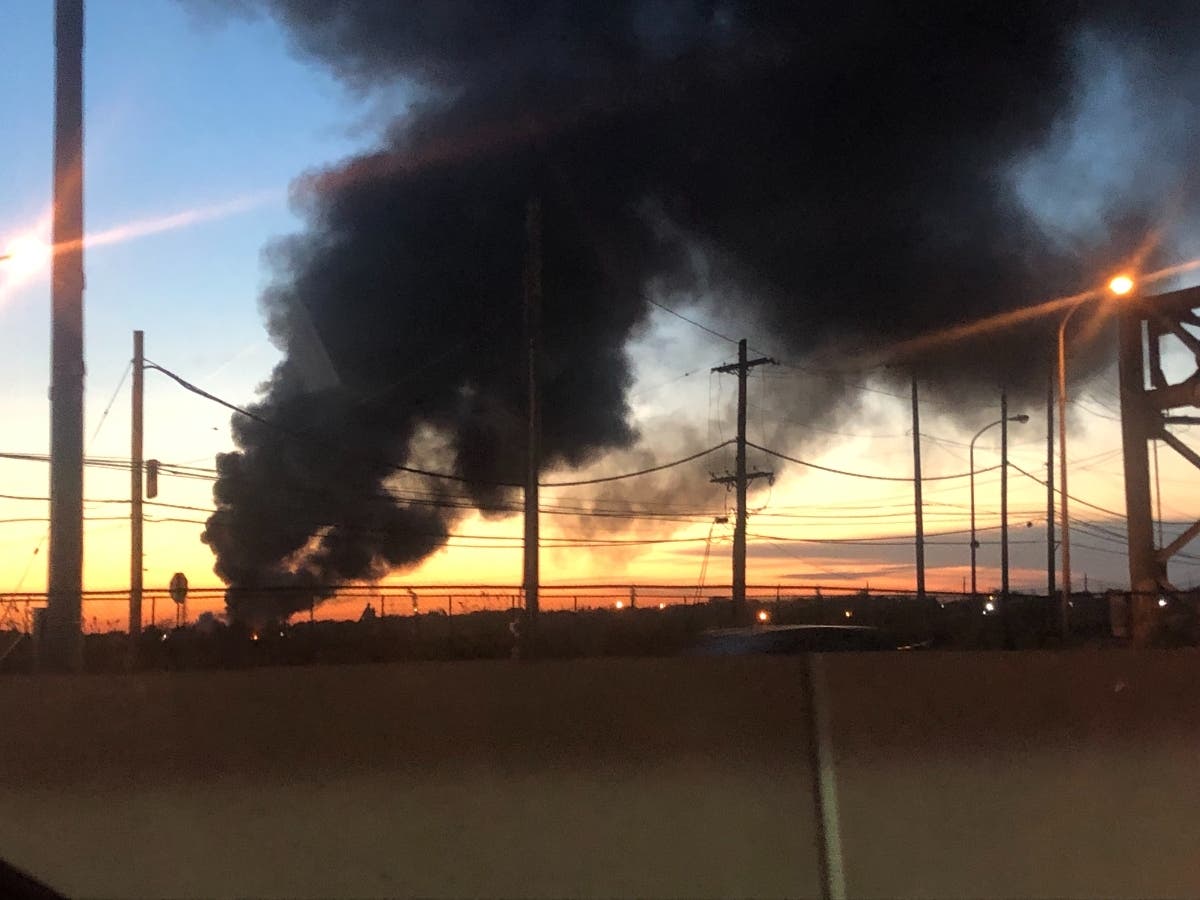
PHILADELPHIA — Philadelphia officials said after the massive junkyard fire Tuesday that sent plums of smoke billowing across miles of the city pose no public health risks.
The Health Department’s Air Management Services released the results of air pollutant testing using samples collected during the fire and determined no toxic compounds were identified in that sample at levels that would threaten the public’s health.
Compounds identified in the tests were all found at levels thousands to hundreds of thousands of times below the levels where the EPA has identified as potentially causing long-term harm.
Find out what's happening in Ardmore-Merion-Wynnewoodfor free with the latest updates from Patch.
The biggest risk to the public from this fire is higher than normal levels of fine particles smaller than 2.5 micrometers, or particulate matter 2.5, due to the smoke.
People who are in areas of the city that are experiencing smoke or haze should try to limit their time outside. Additionally, people who have heart and/or lung problems should try to not exert themselves due to the strain the smoky air might put on their systems.
Find out what's happening in Ardmore-Merion-Wynnewoodfor free with the latest updates from Patch.
Sensitive groups that appear to be at the greatest risk for such effects include children, seniors, and individuals with heart or lung conditions, such as asthma.
The smoke and haze may increase during the evening and overnight due to existing weather conditions. Many people have noticed an odor due to the fire and some people have experienced nausea or headache. These symptoms may be due to the odor. Although they are not necessarily a sign of a dangerous exposure, people experiencing these symptoms should try to move to an area where the odor is less intense to relieve these symptoms. Some people are more sensitive than others to such odors and may experience these symptoms at lower levels of exposure.
The Health Department maintains a network of air quality monitors throughout Philadelphia that constantly monitor for different air pollutants, including ozone, carbon monoxide, nitrogen dioxide, sulfur dioxide, lead, and particulate matter.
These pollutants are what is seen most days, in some quantity, in our air.
Generally speaking, air quality in Philadelphia is good and has improved markedly over the past several decades.
Smoke from fires, like the recycling center fire and wildfires out west, can release particulate matter, or PM, into the air. These fine particles can be breathed deep into the lungs and are associated with numerous health effects such as respiratory symptoms and disease, and decreased lung function.
The elevated PM2.5 levels in Philadelphia due to this fire are high enough to cause some people to experience symptoms, but considerably lower than those seen out West during the recent wildfires.
Learn more about this role on the Report Air and Noise Pollution webpage, and can report air and/or noise pollution from commercial and industrial sources by calling the Air Management Services complaint line at 215-685-7580.
Get more local news delivered straight to your inbox. Sign up for free Patch newsletters and alerts.