Community Corner
PA Announces Ban On Destructive, Invasive Plant
In addition to destroying native ecosystems, the plant is thought to harbor ticks that carry Lyme disease.


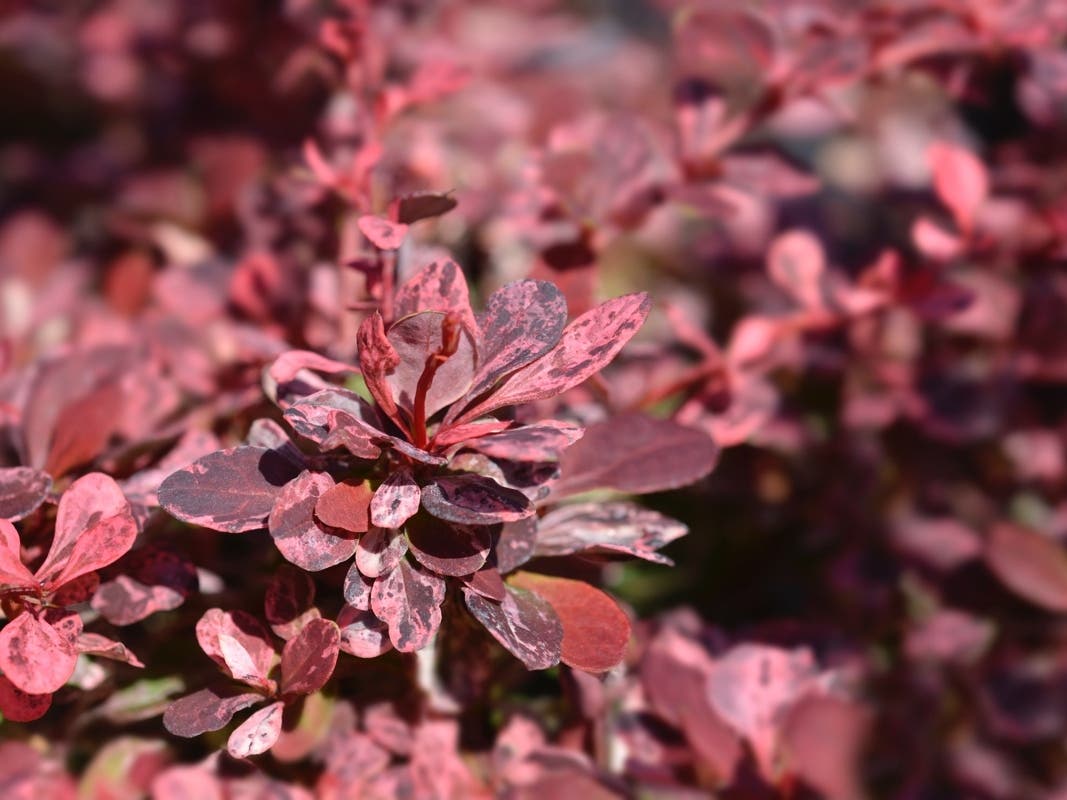
PENNSYVLANIA — Pennsylvania will slowly phase in a new ban on an invasive and destructive plant.
Japanese barberry — a dense, prickly, ornamental shrub that spreads rapidly and crowds out native plants — can no longer be legally sold or grown anywhere in the state.
Enforcement of the ban will be introduced in stages over the next two years to allow nurseries and other business the necessary time to remove the plant.
Find out what's happening in Bensalemfor free with the latest updates from Patch.
Officials said it was a carefully considered step.
“Many seemingly attractive plants can actually harm our environment, our food supply and our health,” Agriculture Secretary Russell Redding said in a statement. “Pennsylvania does not take banning the sale of a plant lightly."
Find out what's happening in Bensalemfor free with the latest updates from Patch.
In addition to ecological harm, Japanese barberry — whose Latin name is Berberis thunbergii — is a beloved refuge of black-legged ticks that spread Lyme disease.
"Carefully considering the potential impact of what we plant can prevent lasting damage that is difficult, expensive or impossible to reverse," Redding added.
The plant was first introduced to the United States from eastern Asia in the 1800s. It was initially used in landscaping to prevent deer from gaining access to certain areas. However, it very quickly spread into the natural environment, invading and overwhelming stretches of forest.
The gradual phase-in on enforcement on the ban starts this month with officials sending businesses a notice. By next fall, letters of warning will be sent out, and any remaining inventory that has not been destroyed will be destroyed by the state in the fall of 2023.
Get more local news delivered straight to your inbox. Sign up for free Patch newsletters and alerts.