We recently learned that the Lehigh Valley is one of Pennsylvania's main drivers of green job growth, ranking 5th in a recent study by the state's Department of Labor and Industry.
The report defines green jobs as those which "employ workers in producing or offering products or services that:" promote energy efficiency, contribute to sustainable use of resources or renewable energy, prevent pollution, clean up the environment, reduce harmful emissions or provide green education and training.
Should green jobs only be defined by the products or services that the companies produce? Allentown Economic Development Corporation (AEDC) proposes adding another metric: location.
Find out what's happening in Bethlehemfor free with the latest updates from Patch.
From the AEDC blog:
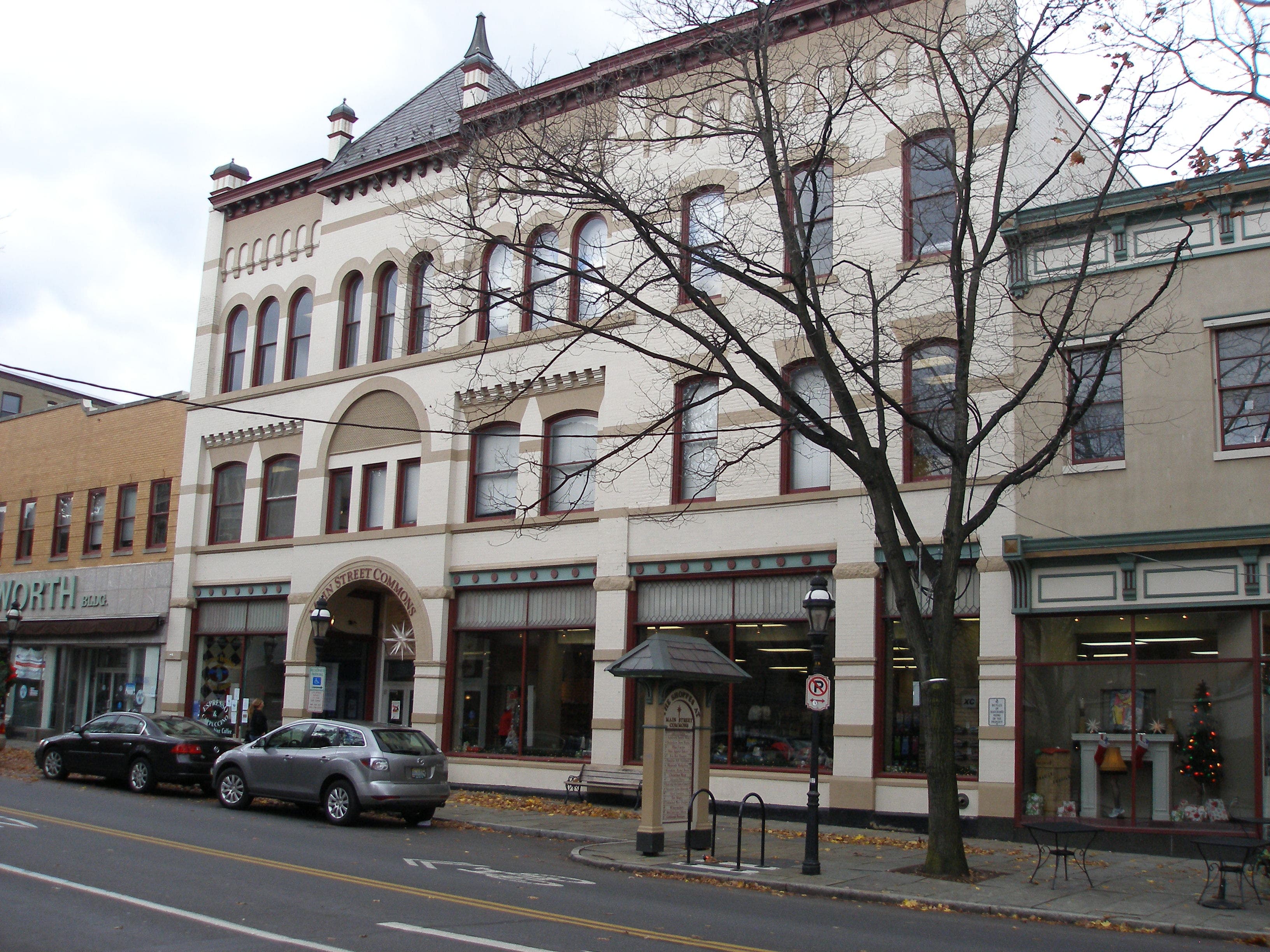
We believe that any time a firm chooses to locate in a dense urban environment, they are creating green jobs. By choosing an urban site over a suburban site, that firm contributes to the sustainable use of resources by not creating demand for new transportation and utilities infrastructure. They are preventing pollution by locating near their workforce, reducing vehicle miles traveled in our region.
Find out what's happening in Bethlehemfor free with the latest updates from Patch.
Indeed, the greenest locations are the ones that are already built. But a downtown location isn't just good for the environment - it's good for the economy.
The link between greater density and higher productivity is well established. Higher productivity, in turn, means higher wages and increased regional GDP. Higher wages attract more people to the region, fueling more economic growth and entrepreneurship.
The main reason greater density leads to increased productivity is that the increase in opportunities for interaction between people leads to more networking. Similar firms tend to cluster near their competitors. Employees move between these firms, and they talk to each other, spreading ideas.
Opportunities for informal networking are an underappreciated factor in economic growth.
Networking happens less when the industry clusters are in office parks, and employees are football fields away from each other. Then there are fewer opportunities to meet other professionals in lunch meetings at coffee shops and city restaurants, or at happy hours after work. Socializing greases productivity.
AEDC is doing pioneering work in this area by promoting coworking and urban manufacturing as strategies for revitalizing Allentown's economy. Both are attempts to take advantage of the economic benefits of agglomeration.
Unfortunately, many of the region's public policies stand in the way of increased density even as and look at traditional neighborhood development.
Mandatory minimum parking requirements, maximum limits on lot occupancy, and the diffusion of zoning authority across 62 different zoning boards all encourage sprawling inefficient use of land, lowering productivity holding down incomes.
At the state level, lawmakers need to give Planning Commission recommendations the force of law. Currently, compliance with the Lehigh Valley Planning Commission's comprehensive regional plan is voluntary, so municipal lawmakers ignore it.
Until that happens, local lawmakers should commit to abide by the plan, and halt greenfield development: no new big box shopping centers, suburban subdivisions or office parks.
New construction should focus on infill development in already built-up areas. Lawmakers can offer tax incentives to nudge businesses to lease space in the core cities instead of suburban office parks.
Finally, tax rates need to be equalized county-wide. We need a truce on the race to the bottom in which outlying municipalities use low tax rates to attract businesses and residents needs to end. Establishing a single tax rate for all areas of Northampton and Lehigh counties would stop governments from distorting the market by channeling investment dollars to unproductive uses.
At a time when state and local lawmakers are searching high and low for cheap, easy ways to juice economic growth, scrapping laws that depress productivity and income are surely among the lowest hanging fruit they will find.