Health & Fitness
Toxic Plant Spreads Into Pennsylvania
A toxic plant that is spreading across the country — including Pennsylvania — can cause some painful problems.


By Tom Davis
A toxic plant that is spreading across the country — including Pennsylvania — and can cause some painful problems for people who come in contact with it.
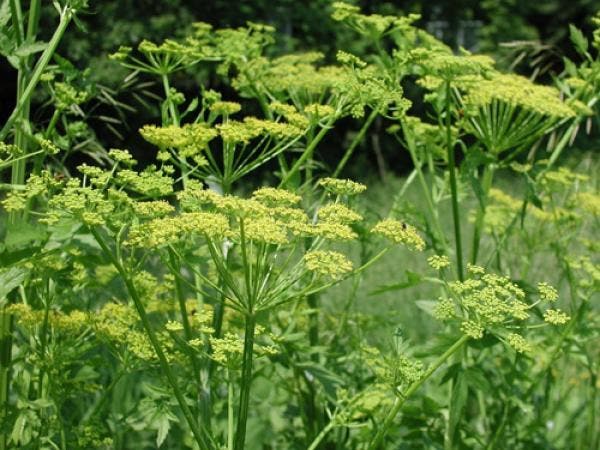
Wild parsnip can cause blisters and a painful reaction afterward, and it can spread quickly once it's in your neighborhood, according to officials.
Find out what's happening in Bryn Mawr-Gladwynefor free with the latest updates from Patch.
Wild parsnip is a biennial/perennial herb native to Eurasia. In appearance, it looks and smells quite like cultivated parsnip family, which includes carrots, celery, parsley and parsnip, according to the Cornell University Cooperative Extension.
The plant typically can grow up to 4 feet (1.2 m) tall, with yellow-green heads, in an average year. Wild parsnip is common throughout the northern United States and southern Canada. Its range reaches from Vermont to California and south to Louisiana.
Find out what's happening in Bryn Mawr-Gladwynefor free with the latest updates from Patch.
Officials advise wearing long sleeves and rubber gloves if you see it in your yard, officials say.
Don't run over it with a lawn mower, either. That'll help it spread. Instead, dig it up with a shovel.
Wild parsnip is easiest to pull after a good rain or during a drought when the roots shrink, according to the Pennsylvania Department of Conservation and Natural Resources.
"Use caution when removing this plant. Chemicals in the leaves, stems, flowers and fruits can cause a burning
rash or blistering reaction when coming in contact with the skin," the Pennsylvania Department of Conservation and Natural Resources says.
Get more local news delivered straight to your inbox. Sign up for free Patch newsletters and alerts.