Health & Fitness
A Drop of Prevention Needed to Prevent Future Flooding
"What is the government going to do to fix this?" It's a fair question, but a complicated one. Storm water management is one of those things that no one wants to talk about until it is too late.

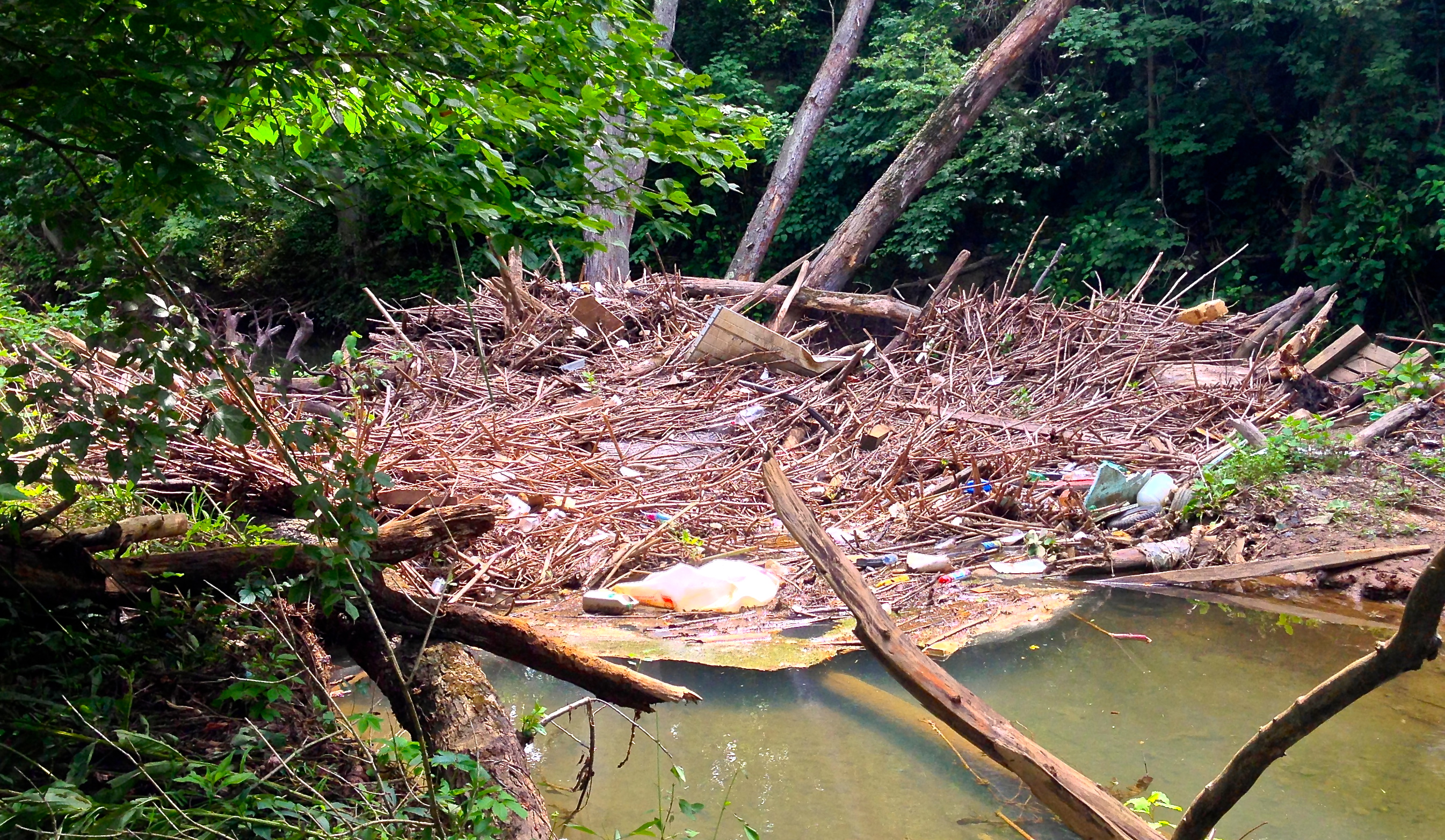
Local communities are still picking up the pieces of last month’s flooding, with residents, small businesses and non-profits like churches all taking on significant damage. Some areas were hit harder than during Hurricane Ivan back in 2004; for others it was déjà vu all over again. While we certainly need to help those impacted, we also need to take a serious look at storm water management plans to prevent future flooding damage to our communities.
I’ve gone out and surveyed sites throughout the area, met with people and I’ve been attending local municipal meetings to hear as much as I can about the situation. The details vary but the basic story is the same. Most flood damage is not covered by insurance; flood insurance generally only covers the structure itself, not the contents of a building. As a result, most people have been stuck with the cost of replacing appliances and furniture, plus the clean up cost of removing large amounts mud and silt.
The first question I generally hear from those impacted is, “What is the government going to do to fix this?” It’s a fair question, but a complicated one. Storm water management is one of those things that no one wants to talk about until it is too late, and then the focus is on paying to fix the damage from the recent flood instead of preventing the next one.
Unfortunately there really isn’t much out there in the way of “free money” to fix the individual problems caused by flooding. The U.S. Small Business Administration (SBA) has declared numerous Pennsylvania counties a disaster area. Citizens and businesses in those counties, including Allegheny and Washington, may be eligible for low-interest disaster loans through the SBA Disaster Loan Program. These loans cover personal property, economic loss or small business expenses as a result of flooding, but they are loans that must be repaid.
Aside from economic loss, a natural inclination is to want someone, either the township or borough, PENNDOT or the Army Corps of Engineers to come in and “just fix it”. While there are certainly some short-term fixes that can and should be done, it often isn’t that simple. Diverting water away from your home will likely only dump it on your neighbors. You may be okay with that depending on the relationship with your neighbors, but it’s not realistic to expect any level of government to shift the problem on to someone else, because they’ll be calling next.
Further complicating the issue is lots of these problems involve other private properties, and government typically can’t just go in and start altering water flow without permission of the property owner. These seemingly simple fixes become very difficult- and we haven’t even discussed who pays for any of it. So what’s the answer?
We should definitely do everything possible to find and fix the true problem areas in order to prevent the next rainstorm from turning into a flash flood. This involves cooperation between local, state and federal governments, plus cooperation from property owners to take some level of personal responsibility where necessary. These sorts of problems are rarely solved without a shared vision of a solution and a community buy-in to get it done.
But after the short-term fixes are done, we need to take a collective step back and look at the root causes of the problem in order to prevent the next wave of flooding. This is the harder part, because storm water management isn’t sexy and it usually isn’t cheap. We ignored lots of problems after Hurricane Ivan in 2004 because everyone wrote it off as the “Hundred-Year Flood”. Well, if you got hit again in 2013, there’s a good chance the problem isn’t going away.
If you really want to prevent the next wave of flood damage, let your local, state and federal leaders know you support a comprehensive storm water management program designed to cure the disease instead of spending all this money to treat the symptom. In this instance, a drop of prevention really is worth a flood of cure.