Health & Fitness
Don't Bee Afraid of the Unknown
As a Brookline resident, you're probably no stranger to the urban apiary. I reflect on some of the common myths floating around in an attempt to spread one message, "Don't worry, bee happy."
As I sat down at my cubicle this morning, I started my day like any other with water (sometimes coffee) and oatmeal sweetened with honey. Honey is a naturally created sugar and tastes great in just about anything that needs a little sweet lift. Honey is made from bees, honeybees (clever name, right?) to be exact, but this isn’t a lesson on what I eat for breakfast or why honey is a healthier alternative to just plain, white sugar. I’m a ranter, so this seems like a good spot to just dive right into my point.
Brookline is in the midst of a polarizing debate over a project that has brought excitement, tears, and confusion to the forefront of many local living rooms - particularly if you’re a resident of either the Jacob or Whited St. part of town. The hot topic is whether or not the community would benefit from an urban apiary (a place where beehives are maintained) through a partnership and combined efforts of the community group - SPDC, and local non-profit - Burgh Bees.
Before I go any further, you should understand who I am and what my place within this debate means or doesn’t mean. I am a young, active professional living in Brookline, but not near the proposed site. I have an apartment and I am currently looking to buy a house, but I have no garden to maintain, and my worst bee memory involves a yellow jacket hiding behind a Halloween decoration. Conclusion: On the surface, I don’t have a lot to gain or lose from this project, but I am a staunch supporter.
Since I land somewhere in the middle, I thought I’d give some reasons as to why I think this project is a glorious idea and educate others on certain myths that still frighten residents. My thoughts and writings will only reflect what I know and believe, not what I’ve been told to promote. I have no formal work or research within the bee community, but over the past several years, I have had the sincere pleasure of learning about these cool creatures, long before the label “urban apiary” became in vogue. In the interest of time and reading attention span, I’ll keep my points and myths down to just three. Here is what I know and believe …
Myth 1: Bees will swarm and we’ll be heading for the hills!
This is probably the most frightening (and media-friendly) topic that has consistently been brought to the forefront of most discussions. The way I see it? Swarm is a word, much like herd, flock, and pack are words to describe a gathering of a particular animal. Had the word “swarm” never been associated with terror and an attack, then we’d be singing a slightly different tune. The truth is that it’s just a word, and it’s been used poorly for generations. Movies, TV specials, military attacks, and the news have all used the word swarm to signify something much different than what we are talking about here.
The problem is that the word is feared and draws images of thousands of bees flying around our heads in a unified attack. This, unfortunately, is just not true, and nothing close to what anyone would experience with a honey bee. Think of swarms like a flock of geese. While you wouldn’t necessarily want to go over and mess with one (and believe me, I’m much more afraid of a goose), you have nothing to worry about. In fact, honey bees - which are incredibly calm and not aggressive - are at their most vulnerable when “swarming”. They are loaded up with honey, not protecting their hive, and just enjoying the easy life. What you should be concerned about is the fact that you’ve been taught to fear a word and not a harmless creature we all need. Interesting fact of the day - beekeepers are actually trained to prevent bees from swarming at all, something they do in the wild on their own.
Myth 2: Bees should stay out in the country and they have no place in a city environment.
I also feel the same way about turkeys and deer, both of which seem to enjoy giving me a jolt in the morning as they run across Pioneer Avenue, but the truth is that honey bees already exist - everywhere! Having a few hives in a contained, community setting is nothing new. As a matter-of-fact, most of us reading this right now are beekeepers in your own backyard, and doing so without any proper training (i’ll keep it our secret). A lot of people have genuine concerns regarding their safety and the safety of their loved ones, but I believe that this fear is slightly misplaced. If you knew how many hives - whether natural or human-formed - existed in your very own community around you now, the apiary would look like a drop in the bucket. The apiary would have almost no impact, in my belief, on your day-to-day acknowledgement of the bee population.
I grew up in the country and I can tell you that moving to the city has not stopped me from seeing “wild” animals on a regular basis. In fact, I’ve recently had my car damaged by a deer on the parkway and almost hit four turkeys crossing Pioneer Avenue, none of which ever happened to me out in the country. I’m not trying to say that there is any correlation between deer and bees, but it does deserve mentioning that if you don’t want bees to be anywhere near you, then you should probably live in a bomb shelter below ground. They are very docile, helpful creatures that are not out to harm, but instead aid in the cycle of life. *cue Lion King soundtrack*
Myth 3: Honey Bees are aggressive killers and not to be trusted.
Find out what's happening in Dormont-Brooklinefor free with the latest updates from Patch.
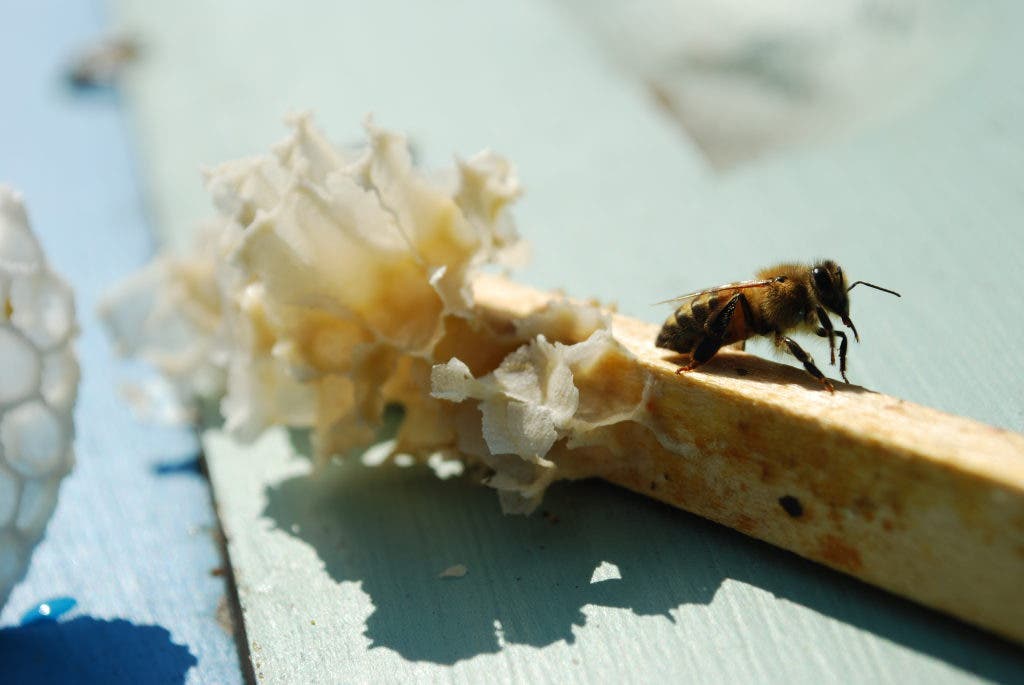
Honey bees have a bad, undeserved reputation. They’re like that sibling that no one talks about, or the kid in school that always wore black and no one knew. They are painted as something they simply are not. So let’s start there, with what honey bees are not. Honey bees are not yellow jackets, hornets, or wasps - or even bumble bees. They are also definitely not Africanized killer bees. Honey bees are calm, docile insects that rely on pollen to maintain their colony. In doing so, honey bees pollinate plants (yay for us!) and live a life that is pretty calm from ours.
Next thought on your mind? Honey bees sting. It’s true and I would be lying if I said otherwise. Honey bees do sting but do so rarely and only in the defense of their hive or when being stepped on - but really, who wouldn’t? They will not sting you because you’re wearing a bright color or because you insist on planting their least favorite flower every year. Why? They have no reason to sting anyone unnecessarily. If they do sting someone, they will most likely die. Even though we’d all like to think we’re worth dying for, my bet is that the honey bee probably doesn’t think so.
If you’re still not convinced, then I suggest taking time to do a little research. Challenge your beliefs and fears and try to understand where they have come from. Did you form them on your own or are they shaped from low-budget sci-fi flicks and media sensationalism? Our biggest fear, mine included, is to face your own thoughts and to challenge them. The apiary could be a place of community involvement, volunteerism, and a true forward-thinking project, putting us on the map and giving all residents something to be proud of. For all of those involved in the on-going debate of this community (not city proposed) project, then I lift my caps to you. Whether you are for or against, it is community passion like this that drives us all forward.
My final thoughts … Don’t worry, bee happy!