Crime & Safety
AAA Offers Tips For Safe Winter Travel
Snowy Roads can be dangerous, but these tips can help you make it to your destination safely.


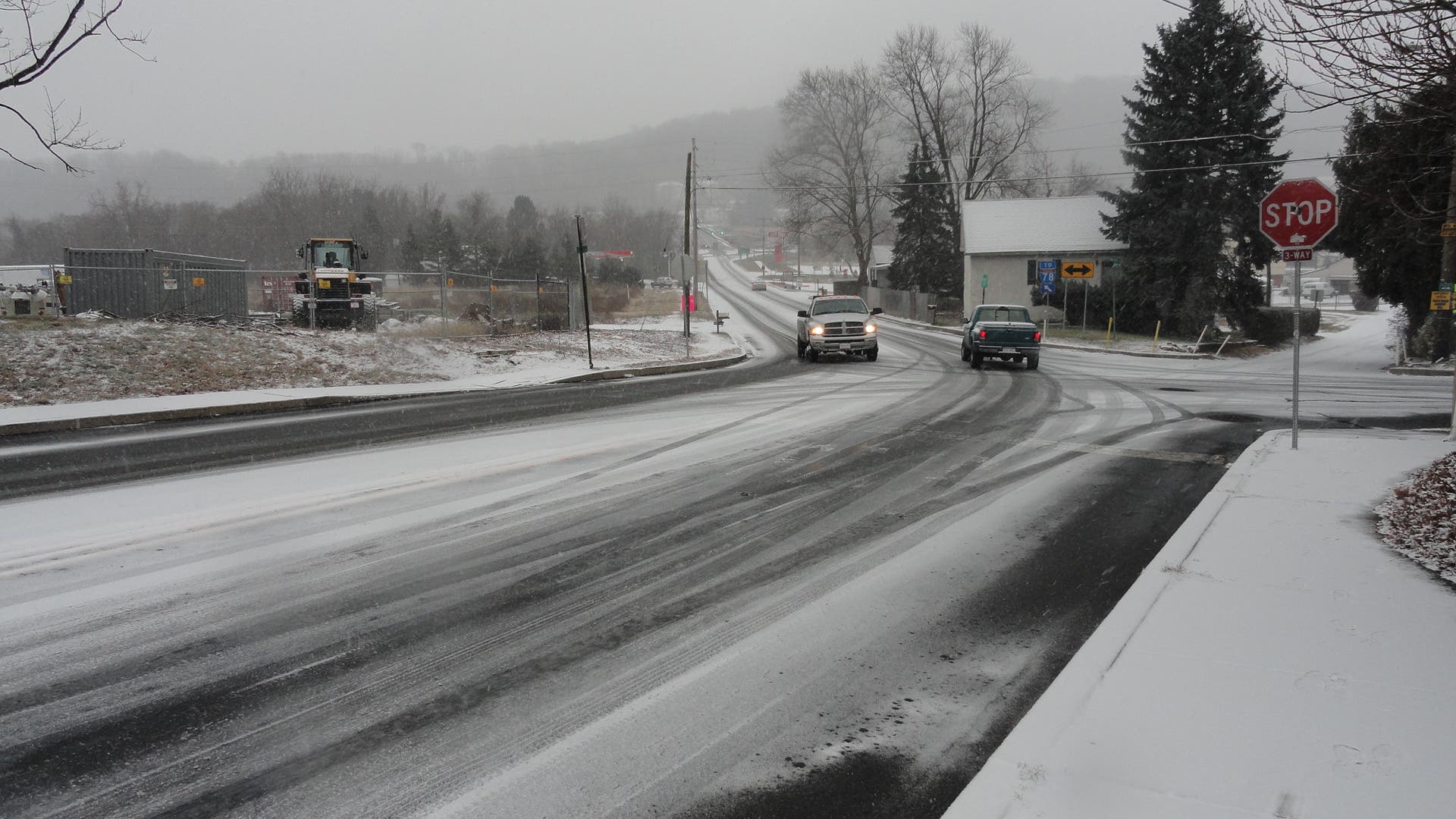
AAA offers the following snow safety tips:
- Watch weather reports prior to heading out. Delay trips when especially bad weather is expected. If you must leave, let others know your route, destination, and estimated time of arrival.
- Check your tire treads. Only drive a vehicle with tires that have excellent tread and that are rated for snow or all weather. With winter emergencies likely to be declared throughout the region, violators are subject to large fines.
- Clear your tire tracks. Remove as much snow as possible from the area around your tires. In order to provide extra traction, spread road salt, sand, or kitty litter on the ground next to all tires.
- Make sure the exhaust pipe isn't clogged. Clear out debris like snow, ice or mud. A blocked exhaust could cause deadly carbon monoxide gas to leak into the vehicle when the engine is running.
- Keep at least half a tank of gasoline in your vehicle at all times.
- Pack an emergency winter driving kit. It should include any needed medications; a mobile phone and car charger; blankets; a flashlight with extra batteries; a first-aid kit; drinking water; a small shovel; a sack of sand, cat litter or traction mats; windshield scraper and brush; battery booster cables; and emergency flares or reflectors.
- If you become snow-bound stay with your vehicle. It provides temporary shelter and makes it easier for rescuers to locate you. Tie a brightly colored cloth to the antenna or place a cloth at the top of a rolled up window to signal distress. At night, keep the dome light on if possible. Don't try to walk in a severe storm. It's easy to lose sight of your vehicle in blowing snow and become lost.
- Increase following distances on snow and ice. Motorists should leave at least eight to 10 seconds between themselves and the vehicle in front of them when driving in slippery conditions.
- Accelerate and decelerate slowly. Applying the gas slowly to accelerate is the best method for regaining traction and avoiding skids. Don't try to get moving in a hurry. Take time to slow down for a stoplight. Remember: It takes longer to slow down on icy roads.
- Know your brakes. Whether you have antilock brakes or not, the best way to stop is threshold breaking. Keep the heel of your foot on the floor and use the ball of your foot to apply firm, steady pressure on the brake pedal.
- Don't stop if you can avoid it. There's a big difference in the amount of inertia it takes to start moving from a full stop versus how much it takes to get moving while still rolling. If you can slow down enough to keep rolling until a traffic light changes, do it.
- Don't power up hills. Applying extra gas on snow-covered roads just starts your wheels spinning. Try to get a little inertia going before you reach the hill and let that inertia carry you to the top. As you reach the crest of the hill, reduce your speed and proceed down hill as slowly as possible.
- Don't stop going up a hill. There's nothing worse than trying to get moving up a hill on an icy road. Get some inertia going on a flat roadway before you take on the hill.
Get more local news delivered straight to your inbox. Sign up for free Patch newsletters and alerts.