Sports
Shad Hatchery Pilot Program Officially Open
Experimental program aims to restore shad to the Lehigh River.


Once upon a time, there were shad in the Lehigh River, lots of them. But , and now there are nearly none, despite successful cleanup efforts and fish ladders.
An experimental pilot program aims to change that and restore the once-plentiful fish to the river.
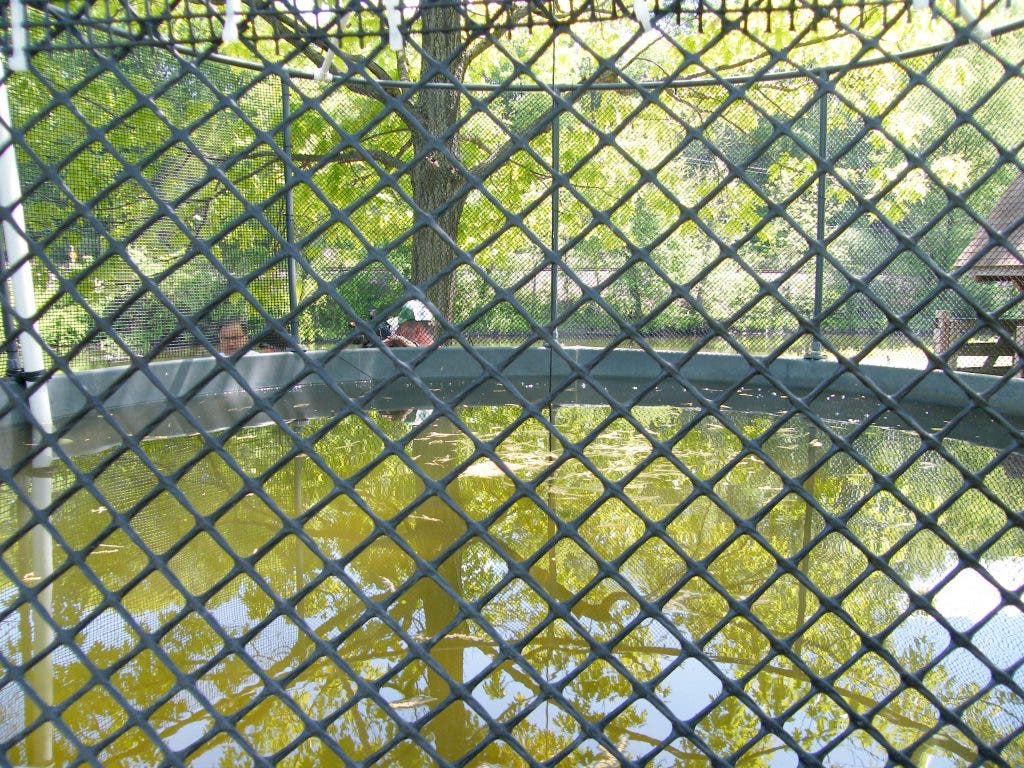
Set up in Hugh Moore Park, a huge tank will host about 50 breeding shad this year. The set up collects the fertilized eggs, which will then be placed in the Lehigh to spawn.
Find out what's happening in Eastonfor free with the latest updates from Patch.
If all goes well, up to 2 million fertilized eggs could be produced, says Jerre Mohler, Delaware River Coordinator for the U.S. Fish and Wildlife Service, who is spearheading the effort and provided the technical expertise.
The hatchery is one of only a handful of its kind and the only one in the area.
Find out what's happening in Eastonfor free with the latest updates from Patch.
“It's never been done on the Delaware before,” Mohler said.
The program is set to run this year and next year. After that, Mohler hopes to pass the effort on to a local group, he said.
One has already stepped forward to help in the current effort.
On Thursday, members of the Delaware River Shad Association were hard at work catching shad for the hatchery.
“I've had excellent help from volunteers here,” Mohler said, adding that a late start due to having to complete paperwork for the hatchery.
The shad that will populate the Lehigh will come from the Delaware. After being caught, they were carefully transported to the tank, where they will remain for about three weeks.
Having the proper gender ratio will also be a factor in the program's success, Mohler said. Three males to two females is ideal, but it's uncertain if that balance will be reached this year.
Still, he hopes the spawning will go well, and said results will be known in a few weeks. When breeding if finished, the fish will be released back into the Delaware River.
“When we start getting (fewer) eggs, we'll know we've gotten what we can get,” he said. “The fish will tell us when they're done.”
The shad hatchery tank is located in Hugh Moore Park, near the canal boats and the Emrick Center. It may be viewed any time during normal park hours.