Community Corner
Patch Picks: About Easton City Hall and the Alpha Building
This iconic art-deco structure had more than 90 years of history behind it before it became home to Easton City Hall.


It may seem like it's always been there to some, but has occupied the Alpha Building for just 15 years. And it's only been known as "The Alpha Building" for the last 50 or 60. Here are some interesting facts about the Alpha Building and Easton's City Hall.
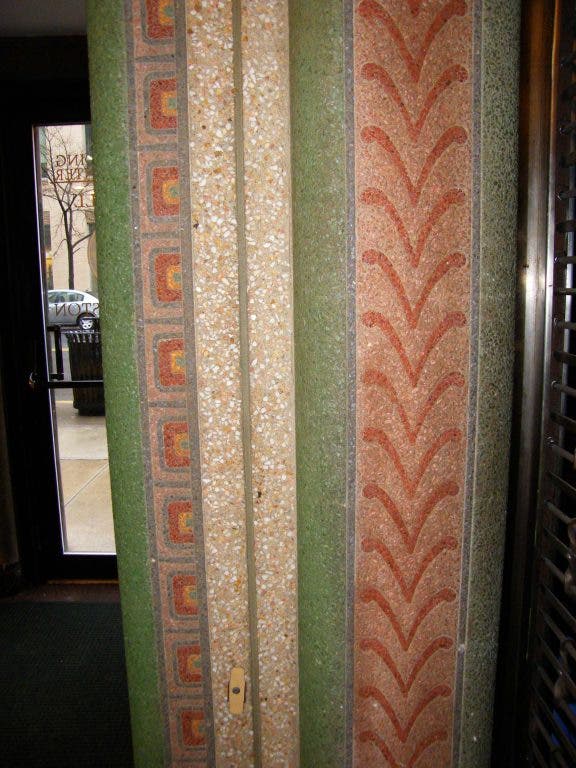
- The Alpha Building was first known as the First National Bank Building and originally only occupied the southern part of today's building footprint. It began as a two story structure in the early 1900s and quickly grew to seven by 1910. (See photo.) By about 1912, it had reached it's current height of 9 1/2 stories, but it wasn't enlarged to its current size until about 1923 when it was expanded north to take over the space formerly occupied by the brick Porter Building. By 1926 or 1927, the art-deco facade and interior architectural features had been added.
- As the original name implies, the building was built by the First National Bank, but the sky-scraper (as it was then classified) also housed other offices and businesses, one of which was the offices of the Alpha Portland Cement Company. When the bank went out of business in 1949, the building was purchased by the cement company and the building took on its name.
- Eventually the company fell on hard times and by the mid-1990s, the building was in danger. In a deal with the county, the city of Easton agreed to sell the land it's city hall occupied at 650 Ferry Street and leased, then purchased the Alpha Building for it's new city hall. (The Ferry Street city hall building was demolished and the now occupies the space.) The Alpha Building became the home of the city government in 1996.
- At 9 1/2 stories tall, the Alpha Building is Easton's tallest building.
- The former city hall on Ferry Street was built in the 1930s, replacing the mansion of Eastonian Traill Green, which served as Easton's borough hall (for Easton was a borough then) from the time it was donated after Green's death to when it was gutted by fire in the 1930s. Before that, Easton's government center was near South Second Street and Ferry.