Health & Fitness
Beware the Antibacterial Frenzy!
Do we really need antibacterial soaps, lotions, and cleaners to keep us healthy during cold and flu season? A key ingredient in many of these products may not be as healthy as you think.
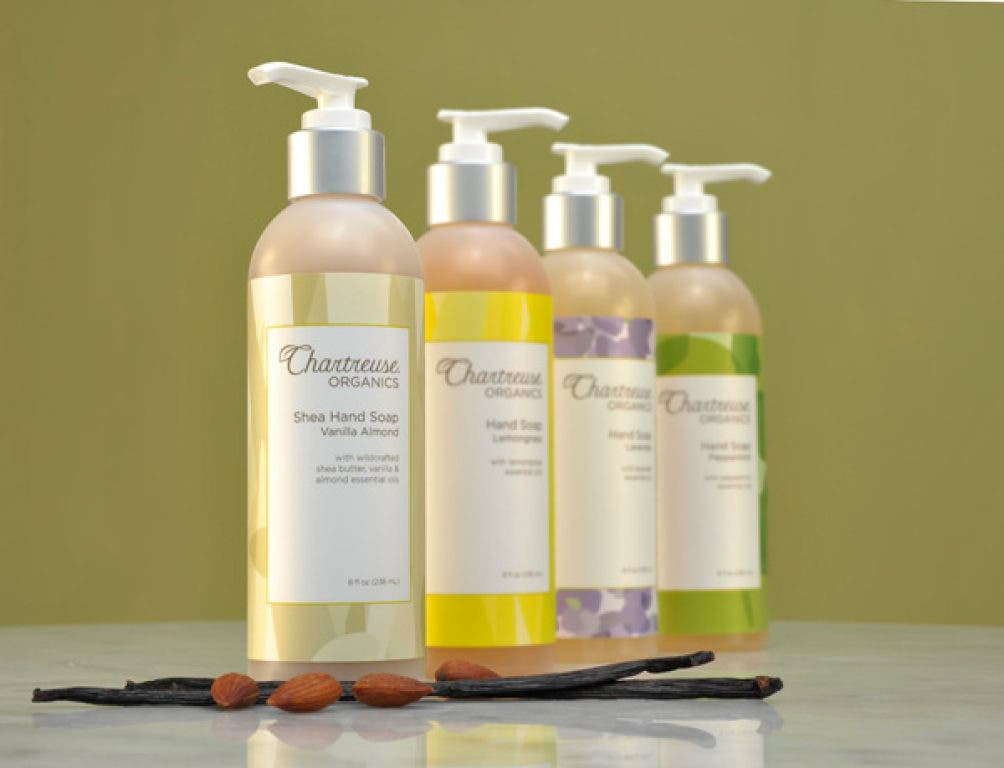
It’s that time again… Turkey and cranberry sauce. Mistletoe and holly. Oh, let’s not forget colds and flu, which means that the antibacterial frenzy will also begin. People will soon stock up on antibacterial hand soaps, gels, lotions, hand creams, household cleaners – you name it! – in the hopes of avoiding the illnesses of the winter season. You can’t walk down the personal products or cleaning aisles of your grocery store without seeing dozens of products touting their antibacterial “benefits.” In 2000, it was determined that 75 percent of liquid soaps and nearly 30 percent of bar soaps (45 percent of all the soaps on the market) contained some type of antibacterial agent. The most common of these agents, triclosan, can be found in nearly half of all commercial soaps (beyondpesticides.org). When I was growing up, we depended on good old-fashioned hand washing to keep the germs away. At some point since then, we became convinced that we need chemicals to keep us healthy.
Here’s the problem: While triclosan may kill germs, it is also extremely drying and has been found to damage or even kill skin cells. It can also form the probable human carcinogen chloroform when exposed to chlorinated water. I recently discovered that it was an ingredient in my anticavity toothpaste to deter gingivitis. I don’t use that toothpaste anymore! Triclosan is also toxic to aquatic organisms. It has been found in rivers and can concentrate in fish tissues.
In addition, scientists are concerned that the overuse of antimicrobial products can lead to the development of resistant strands of bacteria. Triclosan targets genes in the bacteria, rendering them unable to reproduce. This action may actually encourage the mutation of the cells into resistant strains. Finally and most importantly to me as a mother, many doctors believe the presence of a moderate amount of microorganisms helps strengthen a child’s immune system. Most viruses and bacteria are not harmful and may be beneficial in ways we do not yet understand. Children raised in too sterile an environment are more likely to suffer from asthma and allergies. The triclosan in antibacterial soaps does NOT discriminate between good and bad bacteria.
Find out what's happening in Emmausfor free with the latest updates from Patch.
The best way to prevent the spread of infectious germs is to wash your hands frequently with warm, soapy water. Yep, exactly what we did for so many years before the advent of all of these antibacterial soaps. This is just another example suggesting that we had it right the first time. And as far as I’m concerned, the fewer chemicals that I put in or on my body, the better.
If you’d like to learn about soaps and cleaning products that are healthy for both you and the environment, please visit my Web site at www.hip2bgreen.com.