Community Corner
It’s Time to Make the Fastnachts
This is not a low-fat treat—but it's only for one day.
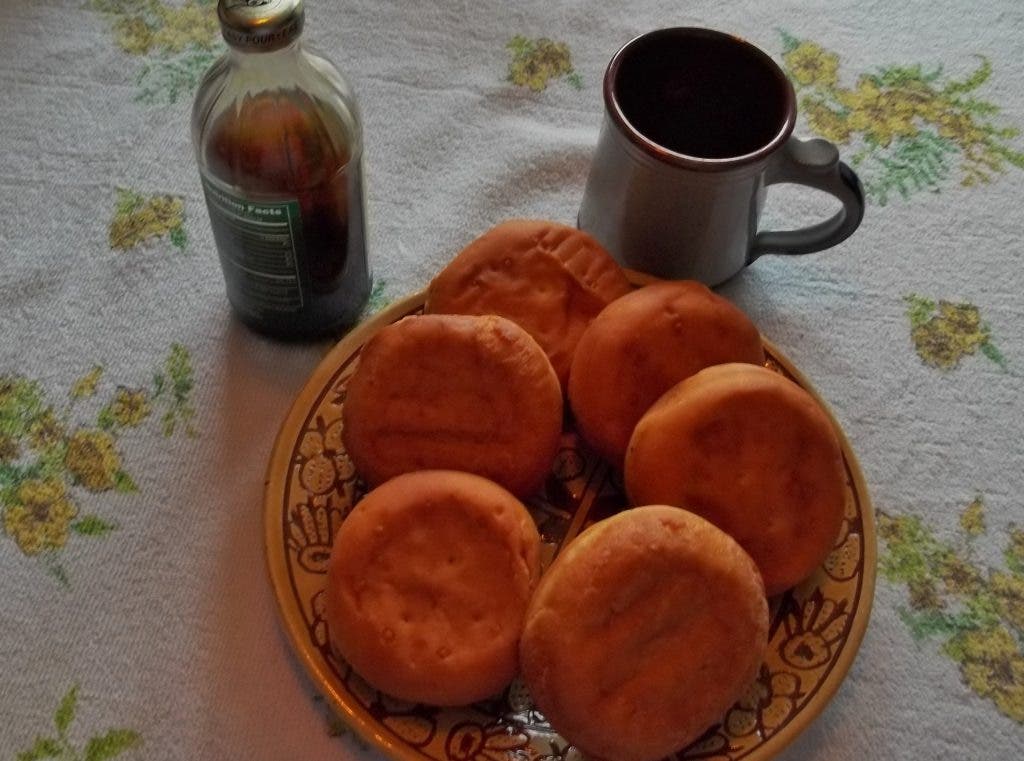
Tomorrow is Fastnacht Day.
We can eat them for breakfast, then some for lunch, and more for dinner; and still have some for snacks in between…without feeling a bit guilty.
Why? Because we are supposed to! Fastnacht Day, or Fat Tuesday, is a day to forget about dieting and feast on fastnachts. Eating one on this day also brings good luck in the year ahead.
Find out what's happening in Emmausfor free with the latest updates from Patch.
A fastnacht is a type of doughnut served the day before Lent begins. When the Germans came to America, they brought with them the tradition of emptying their pantry of lard, sugar, fat and butter; all of which were fasted during this Christian Holy period. And, because the Pennsylvania Germans let nothing go to waste, fastnachts were made to use up those ingredients which would only spoil by the end of Lent.
So, on the Tuesday before Ash Wednesday, the day-long task of making and eating these “doughnuts” was carried out, until all the fat was used up and the fastnachts eaten before the fast began. The name "fastnacht" is German for "night before the fast," and is the last revelry before the fast of Lent.
Find out what's happening in Emmausfor free with the latest updates from Patch.
On a more light-hearted note, according to tradition, you are to get up early and eat one. The last person out of bed that day is known as the “lazy fastnacht” and gets teased for the remainder of the day. He, or she, is further “punished” by having to eat the ugliest fastnacht.
A true fastnacht, though, is not circular, nor do they have a hole in the center—the dough is cut into squares, risen and deep-fried in lard or bacon fat. Traditionally, they are not powdered or glazed with sugar.
To eat one the proper Pennsylvania Dutch way, slice it crosswise, as you would slice a bagel. Spread with butter, if you like, plus table syrup or molasses. Make sure to use plenty of molasses so it runs off the fastnacht. Licking gooey fingers is half the fun! Replace the top, serve with coffee or a glass of milk and ENJOY!
This year, I am going to try my hand at making them…again. I have tried numerous times in the past. I mix up the yeast dough, let it rise, cut out the fastnachts, let them rise again, and, finally, fry them up. Sometimes they get just right—light, tasty and with a slight crunch. Other times, most times; well, let’s just say the garbage man earned his pay those years.
My son is coming home to Upper Milford from Massachusetts tomorrow for a week’s visit. And I need to make some really good fastnachts.
So…anyone have any hints for me? Or maybe a recipe that is better than the ones I have tried? I would appreciate any tips from any expert Pennsylvania German bakers who have made good fastnachts over the years.