Community Corner
St. Patrick’s Day: Everyone is Irish
Put some green in the water and in the beer, too!
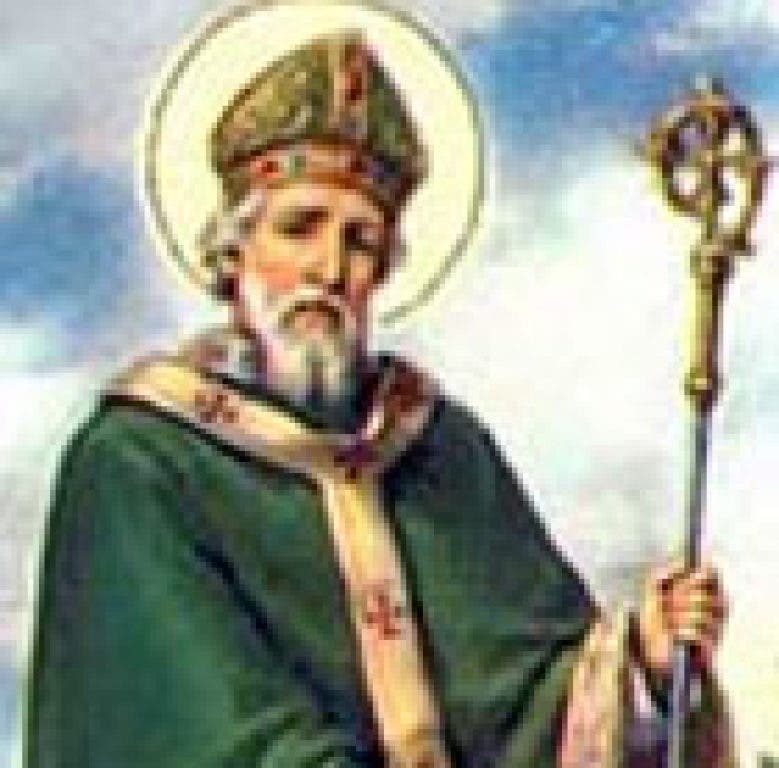
March 17—St. Patrick’s Day. A day to wear green, display shamrocks, drink beer and eat corned beef and cabbage.
But just who is this Saint Patrick?
He was born in Wales to wealthy parents about 385 AD. His given name was Maewyn. Although his father was a Christian deacon, there is no evidence to suggest that Maewyn came from a particularly religious family.
Find out what's happening in Emmausfor free with the latest updates from Patch.
He considered himself a pagan until the age of 16, when he was kidnapped by a group of Irish raiders who attacked his family's estate. Maewyn was taken to Ireland, where he spent six years in captivity working as a shepherd. It was during this time he became a Christian and took the name Patrick.
After escaping captivity, he studied in a monastery for 12 years. It was here that he realized his calling was to convert the pagans to Christianity. Patrick’s superiors honored his wishes to return to Ireland and appointed him as the second bishop to the country.
Find out what's happening in Emmausfor free with the latest updates from Patch.
During his 30-year mission in Ireland, he established monasteries and set up schools and churches which helped in his teachings of Christianity. Within 200 years of his arrival to Ireland, Patrick had “Christianized” the entire country.
He died on March 17 461 AD, and that day has been commemorated as St. Patrick's Day ever since.
On St. Patrick's Day, which falls during the Christian season of Lent, Irish families would traditionally attend church in the morning and celebrate in the afternoon. Lenten prohibitions against the consumption of meat were waived and people would dance, drink and feast on the traditional meal of Irish bacon and cabbage.
In the centuries following Patrick's death, the mythology surrounding his life became ever more ingrained in the Irish culture. The most well-known legend is that he explained the Holy Trinity (Father, Son and Holy Spirit) using the three leaves of a native Irish clover, the shamrock. His followers adopted the custom of wearing a shamrock on his feast day.
The St. Patrick's Day custom came to America in 1737—first celebrated in Boston. Irish immigrants, in order to save money, substituted corned beef for the traditional bacon and cabbage dish.
The first parade held to honor St. Patrick's Day took place not in Ireland but in the United States. On March 17, 1762, Irish soldiers serving in the English military marched through New York City.
Another tradition, started in 1962, is the annual dyeing of the Chicago River green. Forty pounds of vegetable dye are used to color the river for several hours on St. Patrick's Day.
Sources: History.com, wilstar.com