Community Corner
What’s the Difference Between Black and White?
If you're a tea drinker, here are some fun facts you might not have known.


Anyone who’s been to my home is well aware that I love tea. Off-hand, I’d say I own about 18 different varieties of tea, all of which are on display in my kitchen.
A few of my tea-loving friends make a bee-line to the tea shelf upon their arrival, with hopes that I’ve acquired something new and exciting for them to sample.
I love coffee as well, but there’s something about tea that intrigues me. Every time we venture to our favorite , I’m on the lookout for some new and exotic flavor. It’s become a bit of a hobby.
Find out what's happening in Emmausfor free with the latest updates from Patch.
When my oldest son was about three-years-old, he picked up the habit of drinking hot herbal tea. We used to call it “kid tea” because I found a variety that showed animals on the box – geared toward children.
It started one day when he was feeling sick with a stuffy nose and sore throat. I wasn’t sure what else to do for him, so I made him a cup of warm kid tea with a touch of honey. He seemed to feel instantly better, and so it’s become our first level of relief anytime the boys feel under the weather.
Find out what's happening in Emmausfor free with the latest updates from Patch.
Naturally, I don’t give them caffeinated varieties, but they really seem to enjoy the fruity flavors, so much so that they often join me in our searches for unique types of tea.
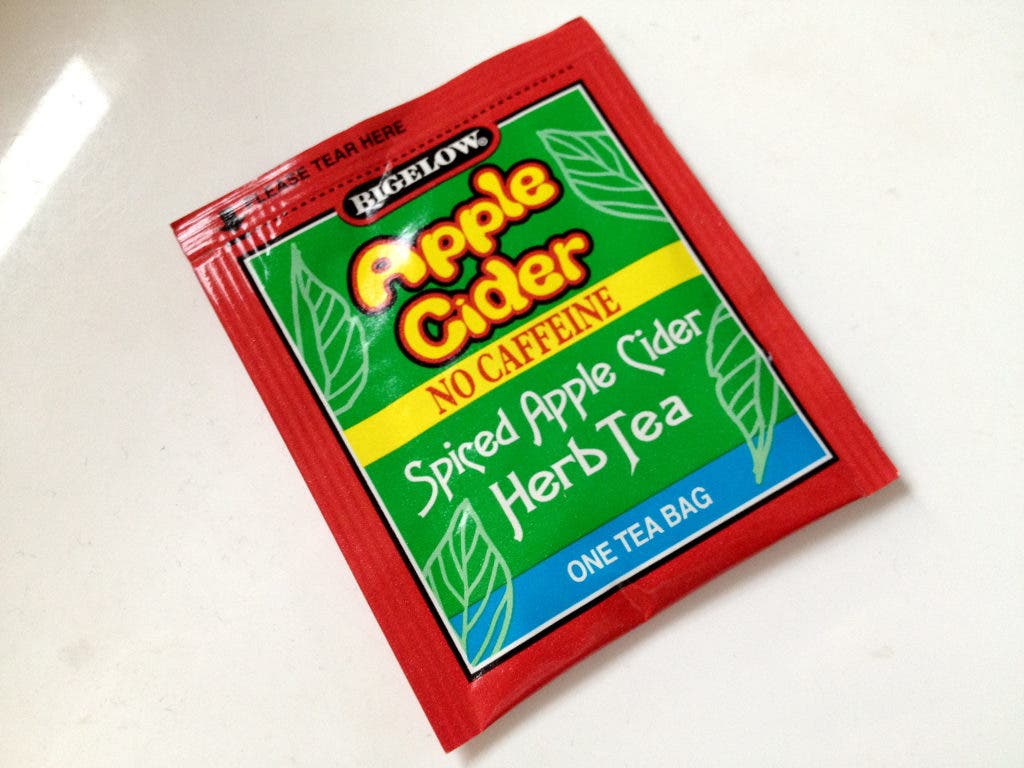
Herbal teas are a whole other class of tea since they are made of herbs and not actual tea leaves. Popular flavors in our house are mint, lemongrass, chamomile, peach and raspberry. During the holidays the kids beg for ginger snap and apple cider tea.
This week I enjoyed a brunch with some friends at , one of the finest teahouses in all the land.
During our conversation, this topic of tea arose, and we realized that none of us really understood the difference between black and white tea. It inspired me to investigate!
According to one of the best-known tea manufacturers, Bigelow Tea, “All tea is processed from the same bush called Camellia Sinensis.”
White tea is made from the newly grown buds and young leaves of the plant, usually harvested in the spring. The leaves are steamed to inactivate oxidation. Then they are dried. Quick processing and packaging is essential as to retain their antioxidants.
White tea, which appears as a light golden color, is not as flavorful as black tea, but is higher in beneficial antioxidants.
Black tea goes through a different process. The tea leaves are left on the plant longer and are NOT steamed, but are oxidized (sometimes referred to as “fermented”) and then dried. The leaves turn dark brown or black during this process – thus the name.
When placed in hot water, black tea is not actually black, but more of a reddish or yellowish color.
Facts are a bit cloudy, but it is reported that black tea has approximately three times the caffeine of white tea and is the highest in caffeine content among all the teas. Green tea, although not highlighted here, falls right in the middle.