Politics & Government
Drilling Prohibitions Could Cost Municipalities Too Much to Change
Doing nothing could create other, long-term financial risks.
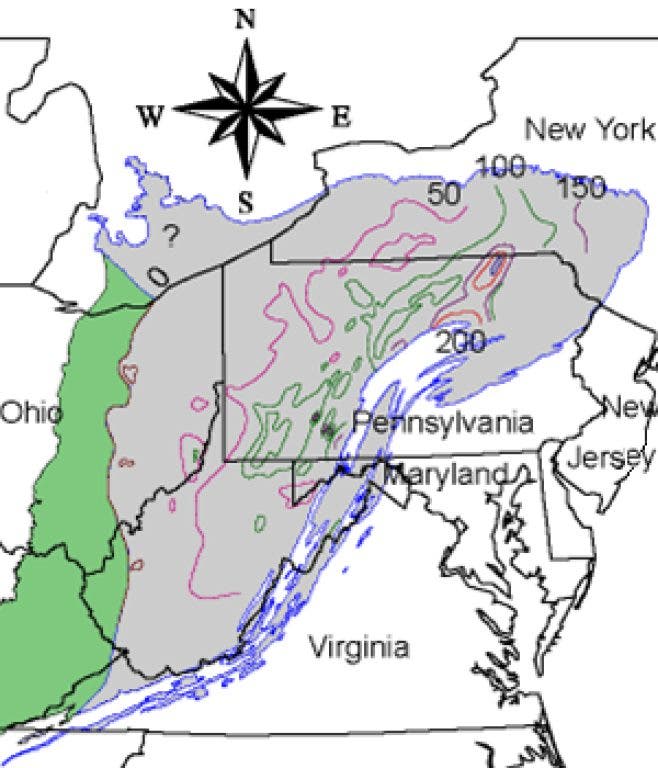
The Community Environmental Legal Defense Fund (CELDF) is working with a dozen Pennsylvania municipalities to protect clean air and water by prohibiting natural gas drilling, but the financial and legal risks associated with the move are keeping many townships away.
“You will have the ability to say where it can and cannot go under the municipal planning code,” said Elam Herr, assistant executive director of the Pennsylvania State Association of Townships. “You cannot exclude a legitimate activity whether you agree with it or not. If it’s recognized as a legitimate activity the municipal must properly plan for it.”
The CELDF is working with municipalities in Pennsylvania, Ohio, New York, Maryland and West Virginia in response to local concerns over the environmental threat to water and air the natural gas “fracking” process poses. Pittsburgh, working with the CELDF, enacted such an ordinance on Nov. 16.
The state Gas and Oil Act, which supersedes local law and permits natural gas drilling in the state, does not allow municipalities to pass laws regulating the industry on a local level.
The best cities and townships can do, said Mr. Herr, is to work within the zoning ordinances to control where natural gas drilling occurs, but not whether it does at all.
“A good example where there’s things you don’t want but the state recognizes is adult entertainment,” said Mr. Herr. “The state said freedom of speech [so] you’ve got to plan for them. If you properly plan for them they may come in but there’ll be some limitation.”
Ben Price, projects director for the CELDF, has been working with municipalities on the natural gas drilling prohibition. He said the organization is framing the issue around civil rights and not natural gas to avoid the regulation overlap with the state Oil and Gas Act.
“These local ordinances assert a local bill of rights and then the prohibition on gas drilling is a protection of those rights,” said Mr. Price. “If we have a right to enjoy our personal property, we have a right to be protected against burglary. [The ordinance] asserts local rights, the right to local self government, the right to clean water, air and soil.”
Citing the Pennsylvania constitution’s enumeration of rights to “clean air, pure water, and the preservation of the natural, scenic, historic and esthetic values of the environment,” Mr. Price argued the municipalities pursuing the local bill of rights are protecting rights the state is not.
Find out what's happening in Hellertown-Lower Sauconfor free with the latest updates from Patch.
“What we have is the state permitting corporations to destroy [the environment] which is in clear violation,” he said. “The federal and state legislatures consider the corporations to be their constituents and not the people. Twelve and a half million Pennsylvanians are told they don’t have an inalienable right to self government.”
But as a practical matter, said Mr. Herr, the financial and legal consequences of municipalities enacting such ordinances could make the situation worse. Aside from attorney fees and other legal costs, if the municipality goes to court over the ordinance and loses, it could face new restrictions on its activity.
“You can still lose the case when the court can put some restrictions on that you have to abide by,” said Mr. Herr, also referring to the risk of the natural gas industry going to the state legislature to ask for state zoning, removing municipal zoning – and their control over where drilling can occur – from the equation.
“Every time you get an ordinance out there that says you can’t drill…within the confines of the municipality, it gives [the industry] more fuel to go to the legislature and say ‘We’re a legitimate business and this locale is not letting us to do what we’re incorporated to do.’ We want municipalities to be able to plan for gas drilling the same as other commercial and industrial uses,” said Mr. Herr.
And since corporations have the same civil rights as individuals, a civil challenge could still end up costing the municipality. But Mr. Price said there has been a rise in scare tactics to stop municipalities from enacting the ordinances in the first place and pointed out there are costs to not pursuing the prohibition on natural gas drilling.
A drop in property values would mean a drop in property taxes, putting another financial strain on municipalities. And while Pittsburgh, the only city to have passed an ordinance so far, is not a target for natural gas drilling, a smaller municipality ripe for drilling would probably not be so lucky.
Find out what's happening in Hellertown-Lower Sauconfor free with the latest updates from Patch.
Darwyyn Deyo is a reporter for PA Independent. She can be reached at darwyyn@paindependent.com