Community Corner
How to Protect Yourself from Poison Ivy
The first and best way to remain itch-free is to use extra caution when spending time outdoors.


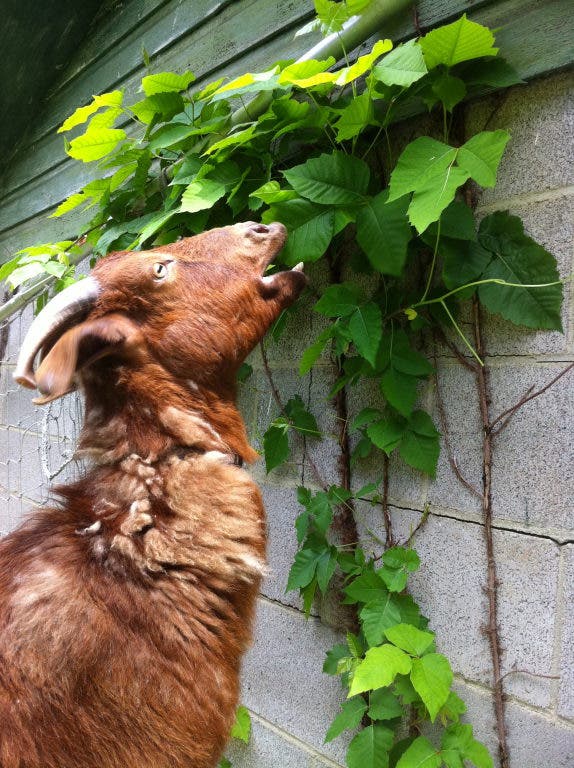


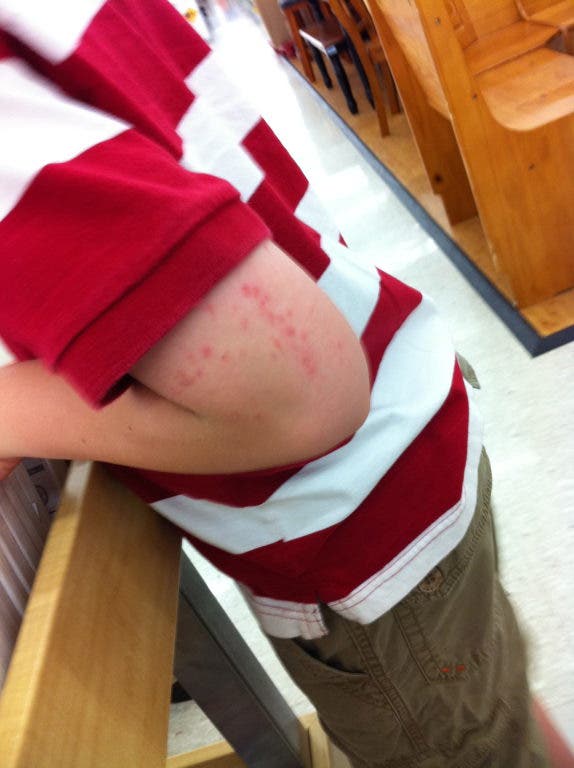

It’s officially the time of year when people in the Northeast spread their wings and enjoy the warmth of the sun and the beauty of our area. With activities such as hiking, fishing, gardening, swimming and picnicking, we’re all exposed to the wilds of Pennsylvania in one way or another.
Common sense tells us to lather on the SPF, but what are the tricks to preventing other hazards such as poison? In our area several varieties--including poison ivy, poison oak and poison sumac--are prevalent.
Having grown up in this region, I learned much about the dangers of poison from my parents, as well as through personal (and not always fun!) encounters in the woods. For some, poison ivy facts are second nature. But for others new to our area, they can be a foreign topic.
Find out what's happening in Hellertown-Lower Sauconfor free with the latest updates from Patch.
Up to 85 percent of the population is allergic to poison ivy, so it's useful to know the basics.
Here is some information to help identify and prevent an outbreak in your family. Much of it comes as hard-learned advice handed down over generations, but sources include the MayoClinic, WebMD, WikiHow and Wikipedia.
Find out what's happening in Hellertown-Lower Sauconfor free with the latest updates from Patch.
How to identify the poisonous plants:
Poison ivy can be spotted by its infamous three-leaf structure. Early in the season, the leaves open as light green and appear to have a shiny, reddish tint. As the summer progresses, the leaves become dark green and blend in well with other surrounding plants, which adds to the danger if they remain unidentified. Later in the fall, the leaves transition back to a red or orange hue.
Leaflets tend to be smooth on their edges with no “teeth” or roughness. On occasion, some poison ivy leaves will have a slightly rough edge, whigh can lead to confusion.
If you remember the saying, "One, two, three. Don't touch me," and adhere to it, you'll be safe.
A “furry” vine also indicates poison ivy, which can climb trees or grow along structures such as buildings and sheds. However, poison ivy is also found in open fields and forests in the form of shrubs or “trailing” ground vines. It is common to find poison growing among raspberry bushes.
From August through November, a gray, white or sometimes green-colored berry is produced and should NOT be touched or consumed. However, it is a common winter food for some birds and small animals.
Poison oak, unlike poison ivy, has three "ridged" leaves similar to that of a white oak tree. The leaves are often hairy and grow on a bush that can reach a height of approximately 3 feet. Berries are produced and turn from white to a yellowish-green color as the summer progresses.
This variety of poison is mostly found in wooded and dry, sandy areas.
(Atlantic) Poison sumac has seven to 13 leaflets and grows via a shrub-like tree averaging 20 feet in height.
It is strictly found in very wet areas, and it is much less common in our area than poison ivy. However, every part of the plant is toxic and exposure often leads to a more intense allergic reaction than poison ivy produces.
What causes the rash?
Oil called “urushiol,” which is also the oil in poison oak and poison sumac, is the culprit when it comes to people developing the infamous poison “rash.” This is actually an allergic reaction to the urushiol oil.
The more exposure to the oil, the more likely a person will have a reaction in the future. So for those who think they’re immune to poison ivy--beware! You might find yourself with a rash one day.
Any object that makes contact with the oil can carry it, including clothing and pets, which can increase the chances of spreading it, even for those who haven’t been in direct contact with the plant.
How to avoid the rash:
- Wear pants, long sleeves, high socks and closed shoes when trekking through the woods or other poison-prone areas.
- Use gloves when working in areas that might contain poison. For those especially susceptible, nylon gloves should be worn over cotton gloves to avoid seepage of the oils through the cotton. Rubber gloves may not prevent the oils from seeping through depending on the intensity.
- Use an ivy block cream such as "Ivy Block" on exposed areas before you hit the woods.
- Wash any clothing that might have made contact with the oil. Use hot water and detergent.
- Make sure to keep your hands away from your face until you know for certain they are free of the oil.
It takes about 10-30 minutes after contact for urushiol to affect the skin. Proper washing and removal of the oil can make a world of difference if you catch it in time. If you don’t, you might not see the rash for up to 48 hours after the initial contact.
What do you do if you know you’ve made contact with a poison plant?
- Don't scrub or use hot water on your skin. This can draw the urushiol deeper into your pores.
- Clean the affected area with rubbing alcohol and then wash it with cool water. Afterward, take a hot shower using plenty of soap.
- Don't use soap until after you've rinsed off your skin with plain water. Soap can pick up the urushiol and move it around to other parts of your body.
- Scrub underneath fingernails thoroughly to wash away any remaining oil.
- If you don't have any other soap available, trying washing off with dish soap (this is as effective removing urushiol oil as it is with cleaning cooking grease).
- If you are out camping, or for some reason don't have access water, rub a deodorant stick on the area right away. This actually prevents the oil from spreading elsewhere.
What if you already have the rash?
- The rash is NOT contagious. You will want to scratch at the red, itchy bumps, but avoid doing so. This will only damage the skin and make way for infection.
- Keep the infected areas cool by using ice packs, taking cold showers or soaking in cool oatmeal baths.
- Use antihistamines, hydrocortisone creams and calamine lotion to relieve some of the discomfort. Ultimately, the goal is to keep the area dry, so avoid too much moisturizing.
Rest assured, most cases of poison will heal within two to four weeks.
Here are a few fun rhymes to help you remember how to identify this unpleasant species (revised from Wikipedia).
-
"Leaf of three, let it be."
-
"Hairy vine, no friend of mine."
-
"Raggy rope, don't be a dope!"
-
"One, two, three? Don't touch me."
"Berries white, run in fright" and "Berries white, danger in sight."
"Red leaflets in the spring, it's a dangerous thing."
If you have poison of any variety and feel it is an extreme case, please make sure to visit your family physician.