Politics & Government
PA May Ban Teens from Tanning Salons
Business owners say it will not solve problems.


The law isn’t always black and white. Sometimes it’s a nice shade of bronze.
But for minors in Pennsylvania who get that bronzy glow from an artificial tanning bed, the law soon might keep them out of their favorite tanning salons.
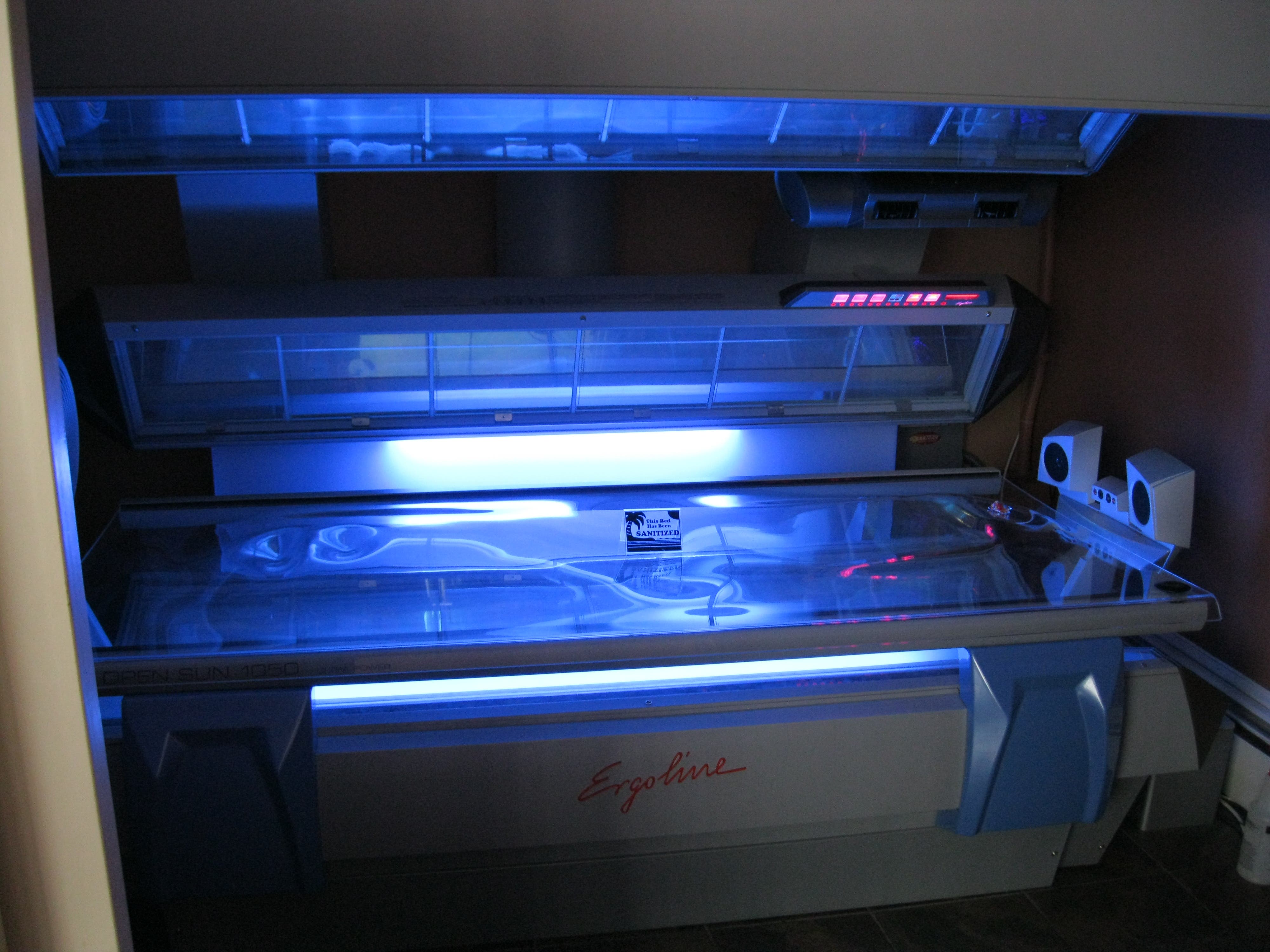
Legislation considered June 1 by the state House Judiciary Committee would ban people under the age of 18 from using tanning beds. Lawmakers heard from skin cancer survivors and medical professionals who detailed the dangers of tanning and the potential consequences from overexposure to harmful rays, whether natural or manufactured.
Find out what's happening in Hellertown-Lower Sauconfor free with the latest updates from Patch.
But stopping teens from using tanning salons would have “unintended consequences” by forcing teens who want to get a tan to spend more time in the sun, said Joe Shuster, director of the Indoor Tanning Association, a national trade group of tanning salons as well as manufacturers and distributors of tanning beds.
“The risk of overexposure and sunburn are minimized by the use of beds and tanning facilities,” Schuster said. “It will not (stop) them from tanning; it will send them outdoors into an uncontrolled environment.”
Find out what's happening in Hellertown-Lower Sauconfor free with the latest updates from Patch.
Grant Miller, president of a chain of Erie County tanning salons, said federal regulations guide the construction and use of tanning beds. All beds carry written warnings about the dangers of using them, and all users are given a written warning by his staff before they tan for the first time, he said.
Miller said his staff also is trained to turn away anyone who is overexposed or sunburned, which he compared to a bartender controlling how much his patrons can have to drink.
State Rep. RoseMarie Swanger, R-Lebanon, the sponsor of the bill, said children are influenced by peers and advertising more than adults.
“When you’re an adult, you have the right to make stupid decisions,” Swanger said. “But children don’t have the awareness or the ability to make wise decisions in a lot of ways.”
The legislation is aimed at businesses, so it would have no impact on individuals who have tanning beds in their homes, Swanger said.
State Rep. Bryan Cutler, R-Lancaster, said he didn't know if it was fair to target only minors who are using tanning salons when the danger of tanning beds does not go away once someone turns 18.
“It seems it’s as much of an education issue as a safety issue,” Cutler said.
Gavin Robertson, director of the Penn State Melanoma Center, said preventing the use of tanning beds by minors was “a good place to start” when it comes to informing the public of the danger.
The World Health Organization classifies tanning beds in the same manner as tobacco smoke and arsenic, he said.
Melanoma, the most deadly form of skin cancer, kills 8,500 Americans every year, said Robertson.
Renee Folk, a 32-year-old from Lycoming County who survived skin cancer after heavy use of tanning beds in her teens and 20s, said the government should protect teens from the dangers of artificial tanning.
“Minors are not aware of the long-term effects that indoor tanning has on their bodies,” Folk said. “There is not enough awareness and education for our youth to make the right decision.”
State Rep. Ron Marsico, R-Dauphin, chairman of the committee, said there was no timetable for the bill’s progression.
Swanger said she plans to rewrite the bill to remove time in prison as a possible punishment for tanning salon owners who allow minors to use their facilities. If the bill is rewritten, it likely will go to the House Health Committee instead of the Judiciary Committee, which deals with criminal issues, not civil ones.
She said the punishments should include fines and loss of license, but not time in prison.
There are fewer than 1,000 indoor tanning facilities in Pennsylvania, Schuster said. Nationally, there are about 17,000 facilities.
Rogerio Nevel, director of the Penn State Cancer Institute’s Skin Oncology Program, said spray-on tanner is a safe alternative to tanning under the sun or in a tanning bed, because the spray tans only interact with the surface layer of the skin, which is mostly dead cells.
Eric Boehm is a reporter for PA Independent.