Schools
Avoid Head Lice This Winter With These Tips
Lice information that won't leave you scratching your head.


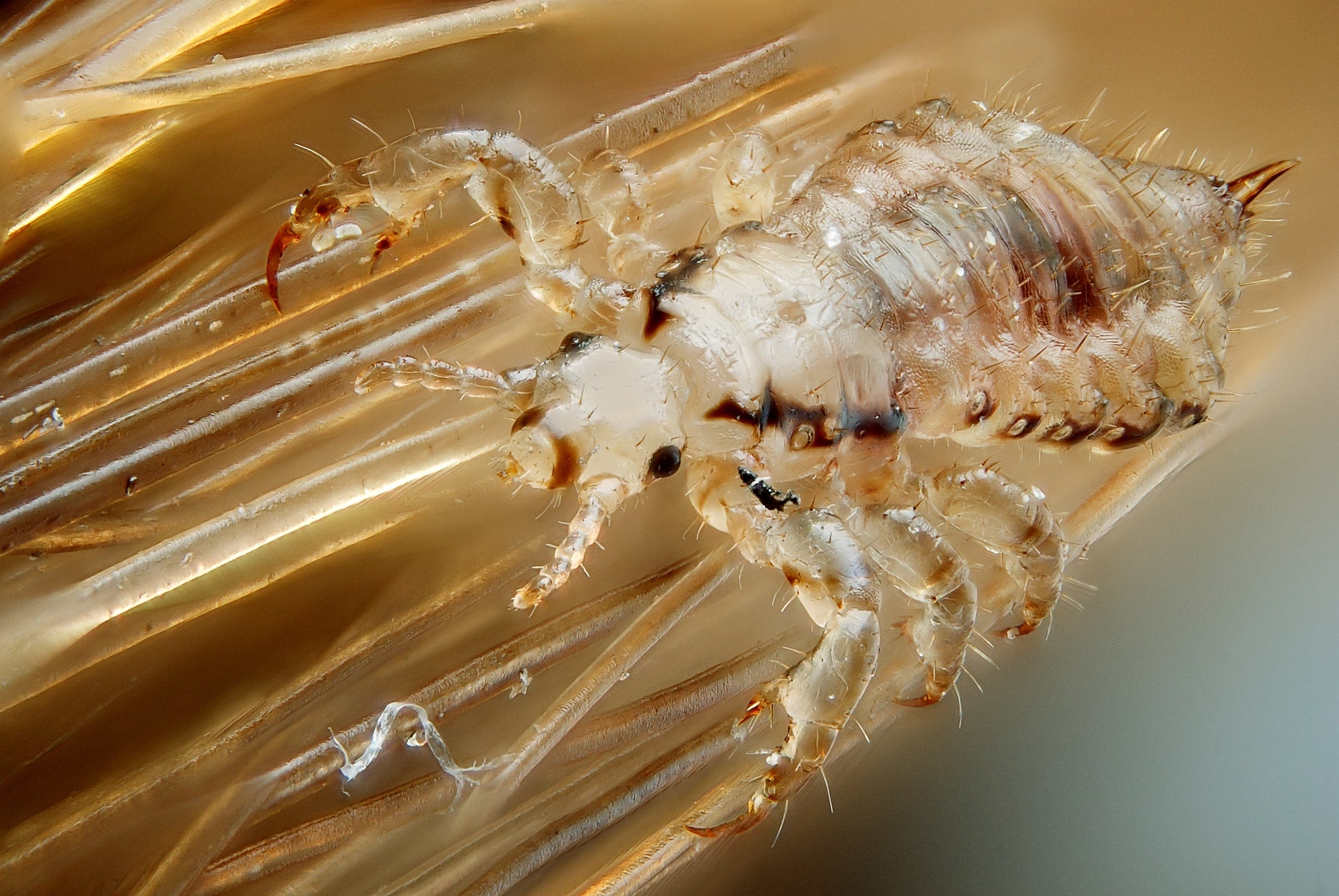
As parents, we have all worried and wondered about it: lice. Just hearing the word makes you itchy and stressed. What parent doesn’t dread getting that note sent home in their child’s backpack that there have been cases of lice in the classroom?
With winter being a particularly active time for outbreaks, thanks primarily to extra clothing like hats and coats providing a convenient way for bugs to spread, we bring you some tips to help you survive an outbreak without losing your mind.
Find out what's happening in Hatboro-Horshamfor free with the latest updates from Patch.
Lice ( Pediculus capitis), tiny insects about the size of a sesame seed, are hardy creatures. Lice need warm hosts to feed and reproduce. Lice are parasitic bugs that live only off of the blood of humans and not on dogs or cats.
In school children, lice are easily spread due to the close contact. It is important to check your school age children regularly for lice as part of good grooming habits. As creepy and crawly as they are to us, they can be fought off.
Find out what's happening in Hatboro-Horshamfor free with the latest updates from Patch.
According to the Mayo Clinic, symptoms of lice infestation include:
- Intense itching
- Tickling feeling from movement of hair
- Lice on your scalp, body, clothing, or pubic or other body hair. Adult lice may be about the size of a sesame seed or slightly larger
- Lice eggs (nits) on hair shafts. Nits resemble tiny pussy willow buds. Nits can be mistaken for dandruff, but unlike dandruff, they can’t be easily brushed out of hair
- Small, red bumps on the scalp, neck and shoulders
According to health officials, if you find lice on your child, you will need to treat him/her with a medicated lice shampoo that can be found at any drugstore. After treating the hair (and any other infected family members at the same time) they say you must comb through the child’s hair to remove all nits. Nits are usually found close to the scalp, often behind ears and at the nape of the neck and are stuck to the hair.
The Centers for Disease Control and Prevention recommends:
- Washing all of the items in a hot wash and dry
- Vacuum the mattresses, rugs and cars
- Items that cannot be washed in hot water, such as stuffed animals or hair accessories, should be bagged in an airtight bag for two weeks
- Lice that have fallen off of the head do not last for very long without a host but, in theory, can be picked up after falling
- All hair brushes and combs need to be boiled for 10 minutes
Tips to avoid getting lice:
- Never share jackets, combs, brushes, hats, hair accessories, sports equipment like helmets or jerseys
- Never play in another child’s bedding during play dates
- Check hair often and watch for signs of infections such as itching
See Also:
Get more local news delivered straight to your inbox. Sign up for free Patch newsletters and alerts.