Politics & Government
Bristol Township Adopts New Recycling Plan
New program promises more revenue for the township, more ways to recycle for residents.
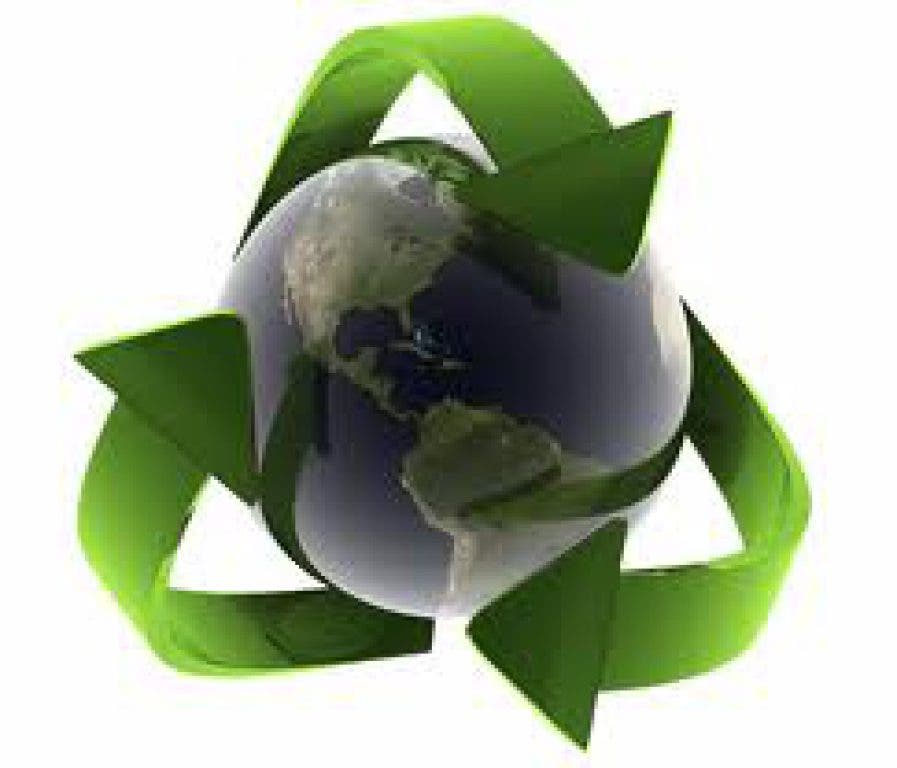
The Bristol Township Council unanimously approved a switch-over from the current double stream recycling plan to a newer, single stream method during a township meeting on Thursday.
The switch promises to not only make it easier residents to recycle, but will also provide a larger revenue stream to the financially-faltering township.
The change-over, beginning June 1, will see all collected recyclables shipped to Waste Management's new $20 million single stream recycling center in Northeast Philadelphia.
Find out what's happening in Levittownfor free with the latest updates from Patch.
“This program will allow Bristol residents to recycle much more than they ever previously have, as well as provide more revenue for the township.It's a real easy win for everybody,” Waste Management service manager Chuck Raudenbush said.
Single stream recycling uses a combination of workers and automated trash separators to divide and organize all different types of recyclables in a single facility. These facilities can separate glass, plastics and paper in one fell swoop.
Find out what's happening in Levittownfor free with the latest updates from Patch.
With single stream recycling, residents will now be able to place all forms of recyclables, from plastic jugs to pizza boxes, into their recycle bins. The ease of this, Raudenbush says, will increase recycle tonnage by two or three times more then the current annual collected waste.
This is good for the township, Raudenbush said, because increased tonnage means more revenue going back to the municipality.
As part of the agreement with Waste Management, profit made from collected recyclables will be split and shared with Bristol Township. The township is expected to make $45 for each ton of trash collected.
Single stream recycling does not come without its disadvantages. According to the Solid and Hazardous Waste Education Center (SHWEC), the collection process used by single stream facilities can lead to larger amounts of contaminated paper-based residuals -- due to broken glass or non-recyclable material. Paper or plastic waste contaminated by shards of glass are destined to the landfill.
According to SHWEC, out of 36 single stream facilities, the average percentage of paper or plastic residual waste produced was around 17 percent, 14 percent higher than their double streamed counterparts.
While the transition will not cost taxpayers a dime, the potential for a higher volume of recyclables may force some residents to buy multiple trash containers.
The township at this time has made no plans on providing any extra cans for residents, but Township Council President Rick Pluta said that “Recycling” adhesive labels will be made available for the residents who wish to buy extra trash cans on their own merit.