Health & Fitness
The Yost Mill
Mills were very important to the early development of our community. One such mill located along the river served Spring City and Royersford and was instrumental in their early development.
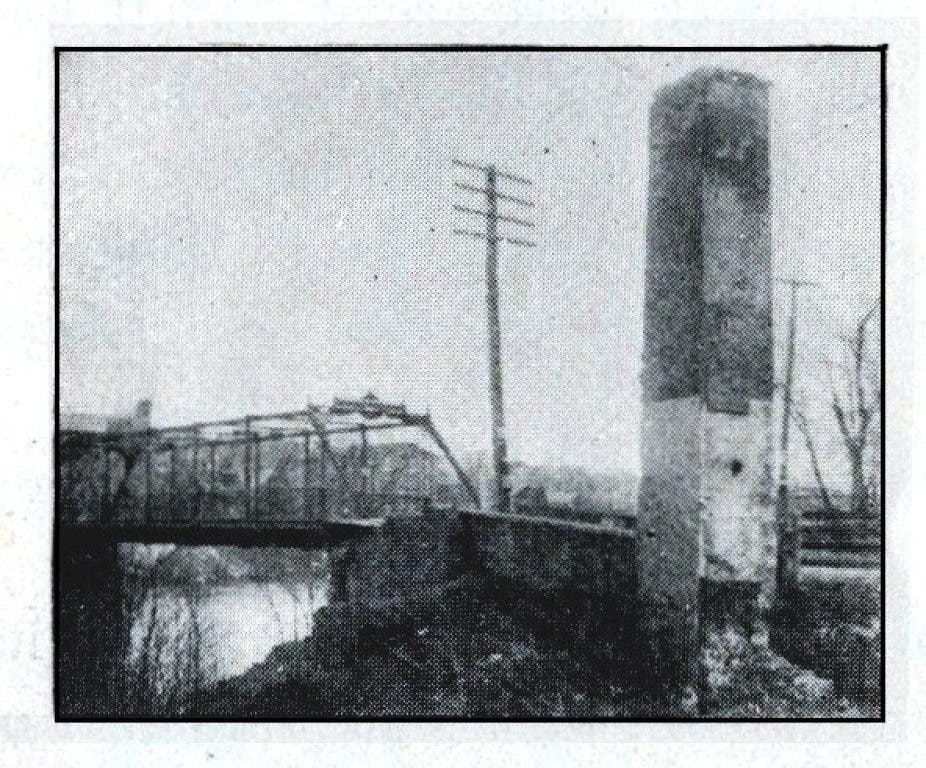


The first business enterprise in what was to become Springville was officially known as the "Yost Grist and Saw Mill" in 1826. This mill was located just a few
feet upstream from the river bridge entrance on the Spring City side of the
river. The remains of the old smoke stack were removed and covered over when the present day bridge was constructed.
The mill, at first, operated with water power and was later powered by steam engines. Before the Pennsylvania Railroad was built, the island in the river was more than twice its size today. On the Chester County side the river extended all the way to the towpath of the canal. What we now call the mill dam was part of the river around the west side of the island. A dam was placed across this
west side of the river and a big ditch, more appropriately called a mill race,
carried the water to the mill.
When the railroad was constructed it was necessary to erect a trestle over the lower section of the dam as well as one over the upper part of the river above the island. After the grist mill converted to steam power the railroad backfilled all of the ground surrounding these trestles and covered over part of the dam. What remained was the mill pond that we have today. It can also be noted that the
building of the canal in 1824 also helped alter the flow of the river at this
location.
Find out what's happening in Limerick-Royersford-Spring Cityfor free with the latest updates from Patch.
In the early years of the mill (1826) most of the lumber used in this area was processed at the Yost Mill. As the availability of large trees dwindled the operations were quickly switched over to the milling end of the business. The steady growth of people along with their horses, cattle and other animals put a premium on grain and food products.
Frederick Yost died in 1847 and his property was left to his heirs. Jesse Finkbinder, a son-in law, is shown on early maps as owner and operator of the old mill. Jesse owned the property that extended from the river to the canal and above Bridge Street. He owned the island also. He farmed the land and operated the mill in the name of Finkbinder & Co.
Find out what's happening in Limerick-Royersford-Spring Cityfor free with the latest updates from Patch.
After Jesse died the property changed owners frequently. In 1872 Mr. Elmer Saylor & Brother started operating the mill. At this time the mill still served as the toll collectors office for the Royer's Ford Bridge Company.
During the late evening hours of May 4th, 1884 a fire was discovered in the boiler and engine room of the mill. This fire spread so fast the mill could not be saved. With the covered bridge being only a few feet away it too became enveloped with flames from the spreading fire and could not be saved.
For the remainder of 1884 and well into 1895 a new iron bridge was constructed on the spot where the covered wooden one once stood. The new bridge was made by the Phoenix Bridge Co. just a few miles downstream. The beams were shipped up on the canal in sections with the final cost being $33,500.
Tolls were assessed and charged until 1887 when the County Commissioners from Montgomery and Chester Counties met and agreed to purchase the bridge outright for $33,500 from the Royersford Bridge Company and free the bridge from all tolls.
The importance and function of these mills will be the topic of the Spring-Ford Area Hostorical Societie's April program. Dr. Chris Jones, a well known historian and lecturer, will present this program on April 11th at the Royersford VFW. The program starts at 7:30 PM and is free to the public. Refreshments will follow the presentation.
Please note that Thursday April 19th is Giovanni day. Part of the proceeds from this days sales will be given to our society. Lunch or dinner, eat in or take out - it all helps to support our local historical society.
Bill Brunner