Politics & Government
SFASD: Corbett proposals would swell district's deficit to $11.8M
State funding cuts would cost the district more than $2.1 million.
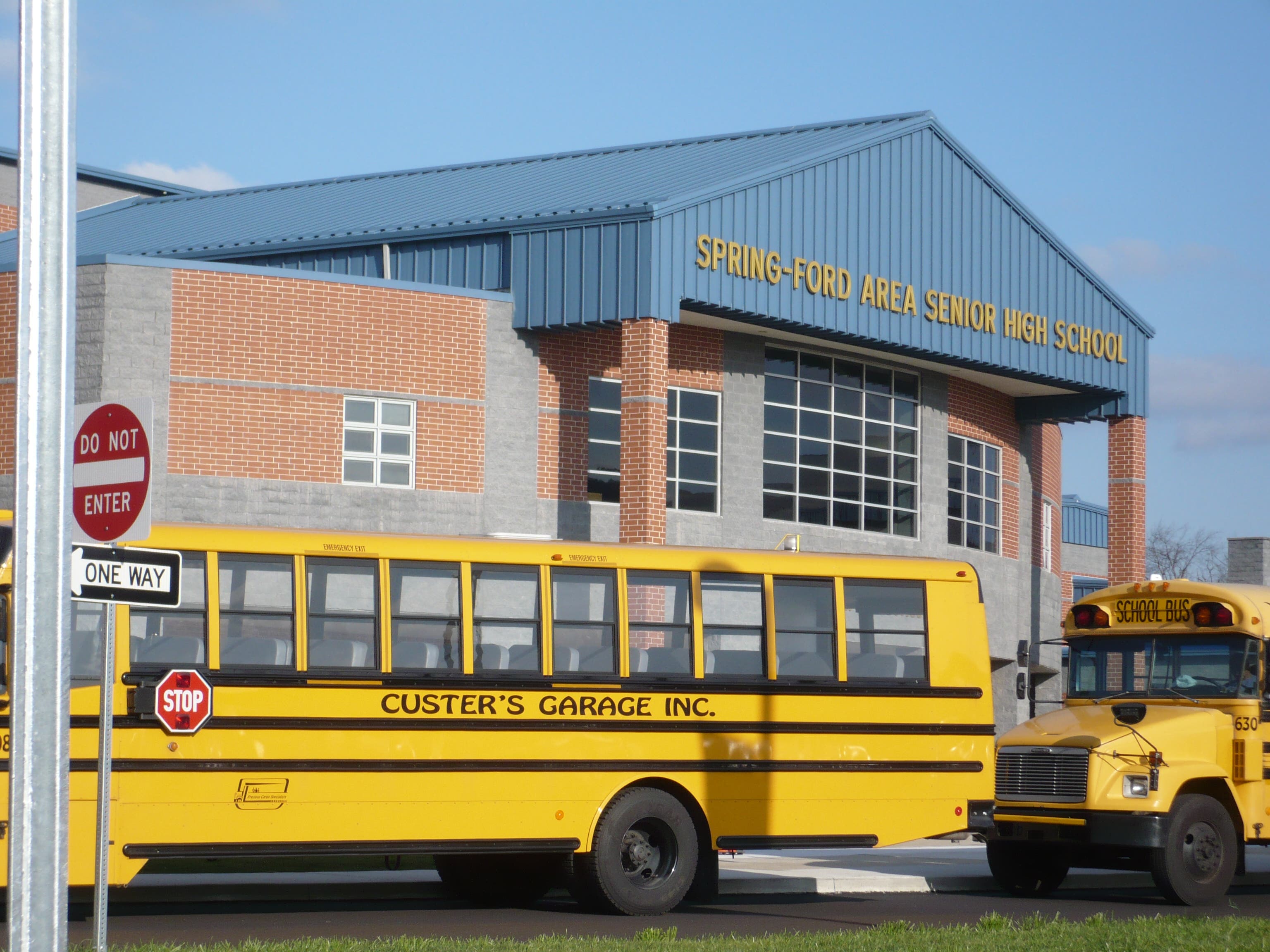
The Spring-Ford Area School District, like most other school districts in the state, knew the education cuts expected in Governor Tom Corbett's proposed budget were going to hurt. At the school board's work session on Monday evening, its first meeting since the Corbett proposal was announced, district business manager Tim Anspach presented the public with Spring-Ford's first official assessment of the damage.
"K-12 took the biggest hit, by over a billion dollars cut. It was actually bigger than what we thought," Anspach said.
Anspach said the district would lose $2.155 million dollars in state funds.
Find out what's happening in Limerick-Royersford-Spring Cityfor free with the latest updates from Patch.
"The biggest surprise of everything was Social Security and Medicare tax," Anspach said, explaining that the district is currently reimbursed by the state for half of those expenses.
According to Anspach, all district employees hired since 1994 would have their Social Security and Medicare reimbursements calculated according to a ratio of market value to personal income, rather than at a fixed rate of 50%.
Find out what's happening in Limerick-Royersford-Spring Cityfor free with the latest updates from Patch.
"Since we have a relatively new staff here, that represents 70% of our staff [hired since 1994]," Anspach said, estimating the net loss of funds to the district as a result of this measure at about $700,000.
The district now faces a deficit in its preliminary 2011-12 budget of $11.8 million.
The district's budget crunch was brought into still greater relief by board member Thomas DiBello, who reported from the board's finance committee that the state Department of Education had disallowed some of the exceptions to the Act 1 property tax relief law for which the district had applied.
"Since the theme of the night is good news, I thought I'd add a bit more," DiBello joked.
Under Act 1 of 2006, the district is permitted to raise property taxes by a fixed amount set by the state each year. Spring-Ford's ceiling for the 2011-12 school year is 1.4 percent. School districts have some flexibility to exceed their annual cap by applying for exceptions, notably for capital improvements and for the payment of health care or pension benefits.
The district had previously calculated that if all its exceptions were approved, it would have the ability to raise the district's property taxes by as much as 7.6 percent. With the disallowed exceptions, the district will now only be able to raise taxes by a maximum of 4.96 percent.
"We're looking for reductions within the budget to get within the five percent allowable [tax increase], and we're still not there," DiBello said.