Politics & Government
Health Department: Watch for Mold Growth in Flooded Buildings
Gives tips on how to clean up after flooding.

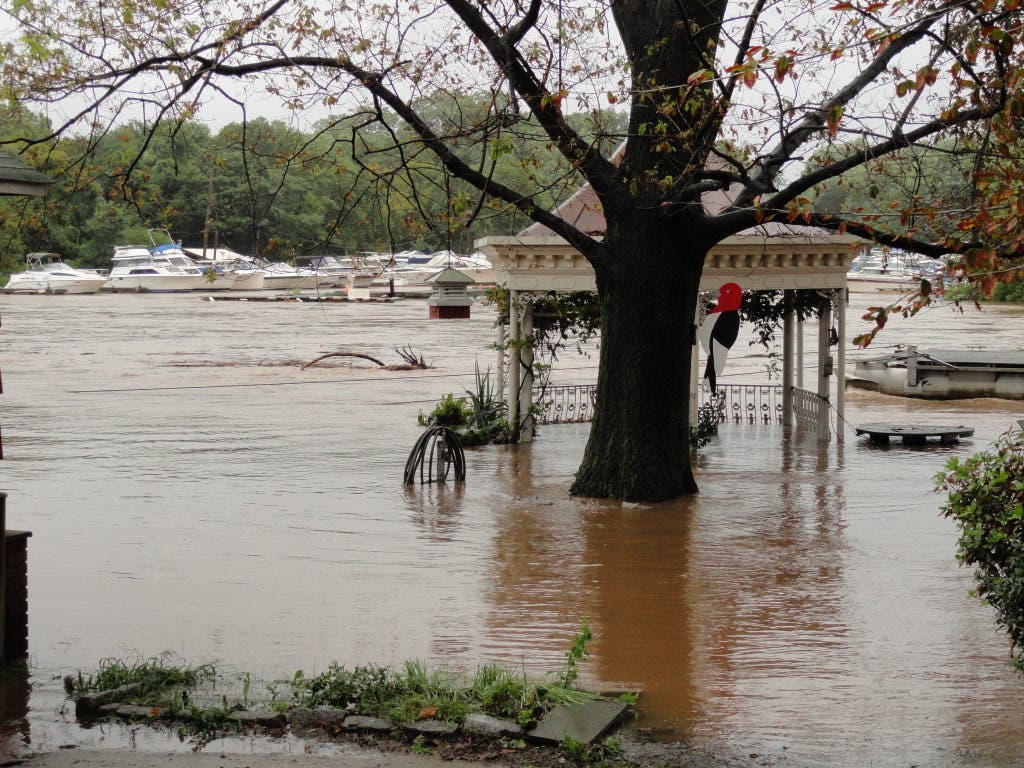
As floodwaters from recent flooding, the Pennsylvania Department of Health is warning residents of the potential for mold growth in homes and businesses.
“Damp conditions from flooding create the perfect breeding grounds for mold to grow, which can happen as soon as two days after flooding occurs,” Secretary of Health Dr. Eli Avila said. "It’s important that you dry out your home or business as quickly as possible to avoid costly repairs and health issues in the future.”
Mold Detection and Remediation Specialists, Inc., which is based in Bucks County as well as New Jersey, states that the first step in dealing with a flood is to get the affected area dry fast because mold growth can begin to grow within 24 to 48 hours if the area is not dried properly.
Find out what's happening in Lower Southamptonfor free with the latest updates from Patch.
Run fans and dehumidifiers in the affected area and keep the relative humidity below 50 percent, recommends Mold Detection and Remediation Specialists, Inc.
Discard any moisture-damaged porous or semi-porous contents safely by putting them in contractor bags and taking them out of your home. Then, clean up what is left. However Mold Detection and Remediation Specialists, Inc. state that using bleach and water to clean up any visible mold growth in an affected area is a common myth.
Find out what's happening in Lower Southamptonfor free with the latest updates from Patch.
Not only is bleach toxic, but the ingredient in bleach that is capable of killing a mold spore evaporates too quickly to do the job. Instead, Mold Detection and Remediation Specialists, Inc. suggests trying an environmentally friendly anti-microbial that can be found at stores such as or .
Molds are simple microscopic organisms found virtually everywhere, indoors and outdoors. When airborne mold spores are present in large numbers they can cause allergic reactions, asthma episodes, infections and other respiratory problems.
“You want to closely monitor the affected area after a flood. If you see any evidence of suspect growth, which can be black, white, green or brown, or experience a heavy, musty odor you should get the air quality sampled to see if abnormal conditions exist,” suggests Dan Rostelli, Owner & President of Mold Detection and Remediation Specialists, Inc.
People who are at higher risk from the effects of mold include infants and children; older Pennsylvanians; people with compromised immune systems because of HIV infection, liver disease, or chemotherapy; pregnant women; and people with existing respiratory conditions such as allergies, multiple chemical sensitivity and asthma. People with these conditions should consult a physician if they are experiencing health problems.
Be aware that exposure to mold can occur during floodwater cleanup. To minimize exposure, use a mask or respirator, wear rubber gloves and take breaks in a well-ventilated area.
Here are some tips for cleaning mold:
- Identify and correct the moisture source. Then clean, disinfect and dry the moldy area. Keep the area well-ventilated and dispose of anything that has moldy residue, such as rags, paper, leaves or debris.
- Porous materials can trap molds. Items such as paper, rags, wallboard, ceiling tiles, sheetrock, carpeting and rotten wood should be thrown out.
- Wear protective gloves, such as rubber dishwashing gloves, when working with moldy materials.
- Carpeting can be a difficult problem. Drying does not remove the dead mold spores. If there is heavy mold on the carpet, the best course of action may be to throw it away. If the area was flooded, remove sheetrock to at least 12 inches above the high water mark. Allow the area to dry for two or three days before replacing damaged materials.
- Use non-ammonia soap or detergent, or a commercial cleaner in hot water. Scrub the entire affected area thoroughly using a stiff brush or cleaning pad, then rinse with clean water.
- After thorough cleaning and rinsing, disinfect the area with a solution of no more than one cup of bleach in one gallon of water. Never mix bleach with ammonia – the fumes are toxic. Allow areas you are disinfecting to dry naturally overnight to kill all molds.
For more information, resources and tips for cleaning up and protecting your health after flooding, visit www.health.state.pa.us and click on “PA Post-Flooding Information and Resources” under “What’s Hot.”
Get more local news delivered straight to your inbox. Sign up for free Patch newsletters and alerts.