Politics & Government
Upper Providence Slope Ordinance Hurts Homeowners, Residents Say
The Panichi family said the slope overlay puts undue burden on certain homeowners with hilly property who want to build on their land.



UPPER PROVIDENCE, PA – An Upper Providence Township family says one of the township's ordinances puts undue burden on certain property owners who want to build or improve their property, while other property owners can do without similar hassles. Now they are hoping new leadership in the township will help relieve the burdens they claim are caused by the Upper Providence Steep Slope Overlay Ordinance.
The Panichi family, who have lived in Upper Providence for more 2o years were, were trying to build a detached garage on their property in 2016 when they learned about the ordinance.
The ordinance prevents homeowners living the zoning overlay – in which properties with specific degrees of hills on their properties are included – from making changes to their property without going through a review process with township officials, something the Panichis say has cost them and township taxpayers more money than it should.
Find out what's happening in Marple Newtownfor free with the latest updates from Patch.
So the Panichis formed the Slope Amendment Coalition (SAC) in an attempt to alleviate the burdens they say the ordinance creates.
The Panichis themselves spent thousands of dollars going through the required process to build the garage on their property, and that the township spent $12,306 in solicitor fees on two slope overlay cases in the last 18 months alone, according to township information obtained through a right to know request.
Find out what's happening in Marple Newtownfor free with the latest updates from Patch.
The SAC doesn't seek to repeal the ordinance. They simply want to amend it, as they say there are good components in the ordinance that prevent issues such as over development and dangerous impacts to the environment.
"We should have checks and balances for work on slopes," the Panichis tell Patch. "Remove the unknown checks and balances and the extra financial burden to do it."
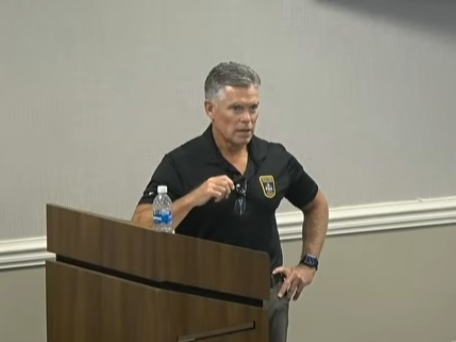
Newly-sworn in District 5 Councilman Ray Wilson, who served on the township's zoning hearing board, knows the Panichis' story well and is ready to see what the family puts in front of township officials regarding a possible change to the ordinance.
"In October I spoke with the Panichis said they learned the process is hard on homeowners," Wilson told Patch. "I agreed with them, and said its not a fair situation for them."
While Wilson is not necessarily an advocate for the Panichi family specifically (though he is an advocate for Upper Providence Township residents as a whole as councilman), he said he has advised them to bring their concerns to the township Planning Commission and the Comprehensive Plan Commission, which was formed in December as the township begins to develop its new comprehensive plan.
"Our job is to look out for best interests of residents," Wilson said. "So if there is something disadvantaging residents, such as not allowing them to use their property, I want to look at that."
According to a study paid for by the Panichis, 245 homes in the township are in the overlay.
Most of the homes in the overlay are older than the ordinance, the study showed. The average age of a home in the overlay is 51 years. And the SAC says that is not fair to those who purchased those homes, because the potential burden of the overlay became reality after the homes were built or purchased.
Here's how it works.
The ordinance pinpoints the square footage amount of hilly areas on a property. That square footage then is subtracted – variably depending on pitch of the hill – from the usable area of that property.
The next step is to figure out if you have any available coverage left on your property to make the changes you want, such as widening a driveway, building a shed, installing a pool, etc.
If the space available is large enough you can go ahead with your project, only shouldering the cost of a topographical study of the property.
However, if you don't have enough space, you have to identify every township regulation that affects or hinders your project, request variance relief for the identified items, and hire the necessary professionals to present possibly to the Planning Commission, Zoning Hearing Board, and Township Council, according to the SAC.
Then you wait for approval, if approval is granted at all.
"This process may take a year or more, and can cost tens of thousands of dollars," the SAC said.
The SAC says properties not included in the slope overlay have significantly fewer steps to take when making improvements on their land.
The SAC learned many residents whose homes are in the overlay did not know about the potential burdens created by the ordinance and plan to make an appeal to the council after the new members are seated.
"I think there could be a change [to the ordinance]," Wilson said, adding the caveat that he won't take a stance on the slope overlay until he has all information available. "I think they have a strong case."
The Panichis and members of the SAC plan to let the new township officials who were recently sworn in get settled in their roles before they formally address the issue.
Image via Shutterstock
Get more local news delivered straight to your inbox. Sign up for free Patch newsletters and alerts.