Schools
2 Penncrest Students Diagnosed with MRSA
Lab cultures confirmed this week that two football players have a community-associated form of MRSA, which can cause skin rashes and lesions.
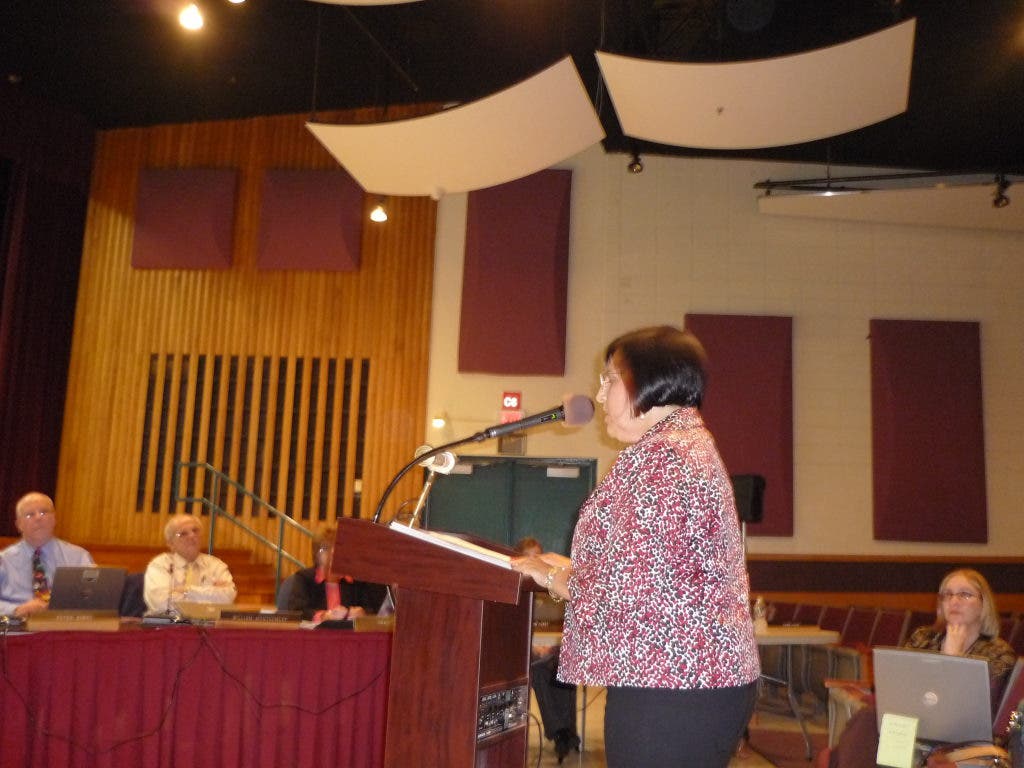
Two football players who contracted skin rashes have confirmed cases of MRSA, and the is working to prevent additional cases of the staph infection at the high school, Superintendent James Wigo said during a school board meeting Thursday night.
MRSA, or methicillin-resistant Staph aureus, "is a type of staph that is resistant to the antibiotic methicillin and its close cousins oxacillin, penicillin and amoxicillin," according to information about MRSA on the website for the Pennsylvania Department of Public Health.
There are two forms of MRSA, community-associated MRSA and healthcare-associated MRSA. The form which the two Penncrest students contracted was community-associated MRSA, which is very common, especially in locker rooms and at gyms, Linda Bluebello, director of pupil services for Rose Tree Media School District, told Patch after the school board meeting.
Find out what's happening in Mediafor free with the latest updates from Patch.
Community-associated MRSA (CA-MRSA) "usually produces skin infections, such as pimples and boils" and occurs in otherwise healthy people who have not been hospitalized in the last year, nor undergone a medical procedure, according to the website for the Pennsylvania Department of Public Health. It can be spread by the hands, skin-to-skin contact, and the sharing of towels, athletic equipment, clothes and personal hygiene items, the Pennsylvania Department of Public Health website states.
On Sept. 16, the Penncrest football team physician examined several of the high school’s football players for "a thorough diagnosis of rashes and lesions" that had been reported to the football team trainer and the school nurse, Bluebello told the school board when she gave them a report on how the school district is dealing with the reported cases of MRSA.
Find out what's happening in Mediafor free with the latest updates from Patch.
The football players’ parents were notified and athletes who presented with rashes or lesions were referred to their own doctors for follow-up appointments and cultures, Bluebello said.
Earlier this week, the school district learned of the two confirmed cases of MRSA, Bluebello said.
Community-associated MRSA, the type which Bluebello said the students had contracted, should not be confused with healthcare-associated MRSA. Healthcare-associated MRSA occurs "most frequently among persons in hospitals and healthcare facilities…who have weakened immune system," the website for the Pennsylvania Department of Public Health said.
"In general, CA-MRSA strains are much less resistant to common antibiotics other than methicllin than strains found in the hospital setting," according to the public health website.
School board member Nancy Fronduti asked Bluebello if she knew how the affected students were doing and if they were back on the field.
Bluebello said the students were back at school and playing football with the rashes or lesions from the MRSA "properly wrapped" with bandages.
As of Thursday evening, the school district had no new confirmed cases of MRSA, Bluebello said.
Letters about the two MRSA cases were sent home to the parents of all of the high school’s football players, and a Global Connect message went out to all parents, Bluebello said.
The school district has followed, and will continue to follow, the Pennsylvania Department of Public Health’s protocol for the treatment and prevention of MRSA, Bluebello said.
This includes having the custodial staff clean the entire school, including the locker room and weight room, daily, with a hospital-grade disinfectant; disinfecting "touch points" with Lysol spray; and disinfecting all football practice pads and shields daily with a disinfectant spray foam, Bluebello said.
In addition to the regular daily cleaning, on Wednesday night Saniguard Total Release Fogger was used in the locker room, Bluebello said.
Athletes were instructed to remove all food, water bottles, mouth guards and other items from the locker room because on Friday, custodial staff will clean the locker room, including the lockers, "from top to bottom" and then use another fogger treatment, Bluebello said.
A filterless air purification system—the same type of system that is used in NFL and college football team locker rooms—has been ordered for the high school locker room, Bluebello said.
Custodial staff will continue the daily cleaning protocol and use the Saniguard Total Release Fogger on the locker room once a week, Bluebello said.
The school district recommends that all football players wash clothing and extra pads at home at least once a week, Bluebello said.
"All skin lesions and rashes should continue to be reported to the athletic trainer immediately when noticed," Bluebello said. So the lesions and rashes can be properly treated and wrapped and so a timely follow-up with a physician takes place.
Bluebello said a large part of the district’s responses this week included prevention education.
Students and staff have been reminded about frequent hand washing to help prevent the contraction and spread of MRSA, Bluebello said.
"Our goal, as always, is to ensure the health and safety of our children," Bluebello said.
More information on MRSA can be found here at the Pennsylvania Department of Public Health website.