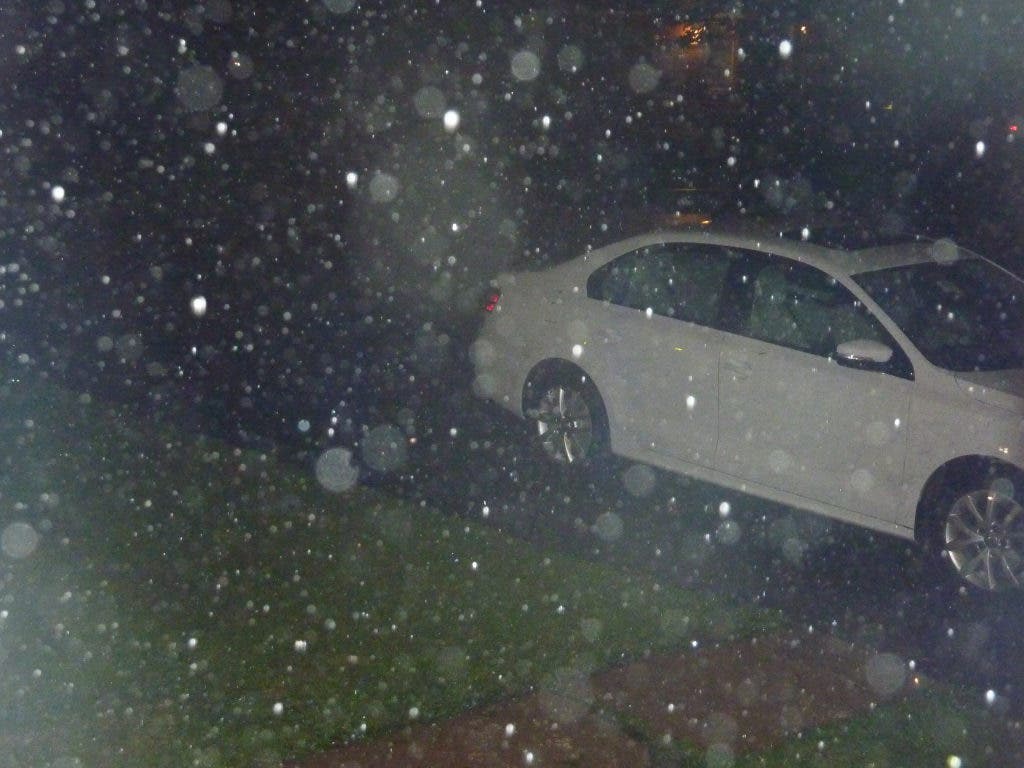
I heard we were getting some rain, but the most recent storms have been ridiculous. I had to drop my wife off at the airport and driving down Michigan Ave was challenging the other day. So much water accumulation on top of the pounding rain. Needless to say we were going a lot slower than normal. Here are a few tips you may want to share with your friends, families and au pairs:
• Exercise extreme caution after a long dry spell. During a dry period, engine oil and grease build up on the road. When mixed with water from a new rainfall, these substances make the road extremely slick. The first few hours after the rain starts can be the most dangerous.
• Allow for more travel time. Drive at a slower pace than normal when the roads are wet. Traffic is likely to be moving slower. Your pre-planned route may be flooded or jammed and you may need to detour.
• Brake earlier and with less force than you would normally. This increases the stopping distance between you and the car in front of you, and lets the driver behind you know that you're slowing down.
• Be meticulous about using turn signals, so other drivers know your intentions.
• Take turns and curves with less speed than you would in dry conditions.
• Stay towards the middle of the road, if possible. Most of America's roads are crowned in the middle, which means that the water will run off to the sides, leaving the middle drier.
• Don't use cruise control. If you do, and you hydroplane, your car could actually accelerate. Cruise control also allows drivers to be less vigilant and take their foot away from the pedals — not a great idea when reaction time is critical.
• Drive around large puddles, or chose another route. The puddle could be deeper than it looks. It might conceal:
o A pothole that could damage your wheels and/or knock your car out of alignment.
o A hole big enough to swallow your car.
• Don’t drive so as to splash lots of water into your engine compartment. Water can damage internal electrical systems.
• Don't attempt to cross running water. The force of the water may be greater than the weight of your vehicle. All-wheel drive isn't going to help if your vehicle is being pushed sideways.
• After crossing a puddle, tap on your brake pedal lightly to dry off some of the water on your rotors.
• Turn on your headlights. It helps other motorists see you. Don't blast your high beams in the rain or fog — it'll obscure your view further, as the light will reflect back at you off the water droplets in the air.
• Use fog lights, if you have them. They throw extra light on the road while making your car easier to see.
• Watch out for pedestrians in the road. Pedestrians may become distracted fiddling with umbrellas or other rain gear. Plus, raindrops deaden sound, so the usual audio clues for measuring car distances become obscured. They may take chances crossing the street that they wouldn’t in dry weather.
• Pull over and wait it out, if it's raining so hard that you can't see the road or the car in front of you.
• Track the car ahead of you. Let the car ahead pave a clear path through the water.
• Give a truck or bus extra distance. Their extra-large tires can create enough spray to block your vision completely.
• Avoid passing trucks and buses, but if you must pass, do it as quickly as safety allows.
• Defog your windows. Rain will quickly cause your windshield to fog up. Switch on both front and rear defrosters and make sure the air conditioning is turned on.
• If you start to hydroplane, don't brake suddenly or turn the wheel, or you might spin into a skid.
o Release the gas pedal slowly and steer straight until the car regains traction.
o If you must brake, tap the brake pedal (unless you have antilock brakes, in which case you can put your foot down).
Here are some precautionary measures to ensure that your vehicle is prepared to get you through a downpour, before the downpour actually starts:
• Check brakes, tire pressure, tire tread depth and defroster operation monthly.
• Opt for antilock brakes, traction control, stability control and all-wheel drive, when buying a new car.
• Check out the Tire Decision Guide at Tire Rack, if you aren't happy with the wet-weather performance of your car's original equipment tires. Identify tires that fit your car and driving habits, and see how other consumers rate each tire in a variety of categories, including wet-weather traction. An experienced tire store manager can also be a good source of recommendations.
• Replace brittle or damaged windshield wiper blades before you're caught in a downpour.
• Carry a good emergency kit. Sites like Brookstone and Emergency Preparedness Center offer kit components and pre-assembled kits that come in handy carrying cases. Kits’ contents vary, but a tow rope is always a good idea.