Health & Fitness
How to Find the Right Social Media Marketing Mix
It's important for businesses to have good visibility on the web, but one of the challenges is determining how and where to use limited time and resources. Use these steps to get the right mix.

It’s important for all types of businesses to have good visibility on the web, but one of the challenges for business owners is determining how and where to use limited time and resources. I’d like to share with you a framework for managing your online presence. Use these steps to help determine the right social media marketing mix for your business.
Set Goals
The first thing you should do is set goals for your web presence. That way you can decide if a given activity or social media site contributes to those goals and is worth the time and resources. Having defined goals also makes it easier to tell if you are getting the results you want.
Find out what's happening in Perkiomen Valleyfor free with the latest updates from Patch.
Goals should answer the question, “What do you want your web presence to accomplish?” These goals should be tailored to your specific business and market, but here are some examples of goals:
- Lead generation
- Online Sales and Orders
- Provide Pre-Sales Information
- Provide Post-Sales Information
- Customer Engagement
- Share News and Events
- Get traffic to physical store
- Provide Training and customer support
- Create Community
- Increase Brand Awareness
Find out what's happening in Perkiomen Valleyfor free with the latest updates from Patch.
When you have general goals, define what success looks like. Make it measurable. Use these goals to plan and evaluate your actions.
Know Your Audience
Who are you trying to attract? Look at your business from their point of view. What do they need? What are their habits? What social media platforms are they using? If your target market is teenagers, for example, spending a lot of effort on LinkedIn, which is a professional network, probably won’t get you the best results for your time and resources. Go where your customers go. Not sure how your customers use social media? Ask them. Have conversations with your customers about how they would like to interact with you on the web.
Focus Your Efforts
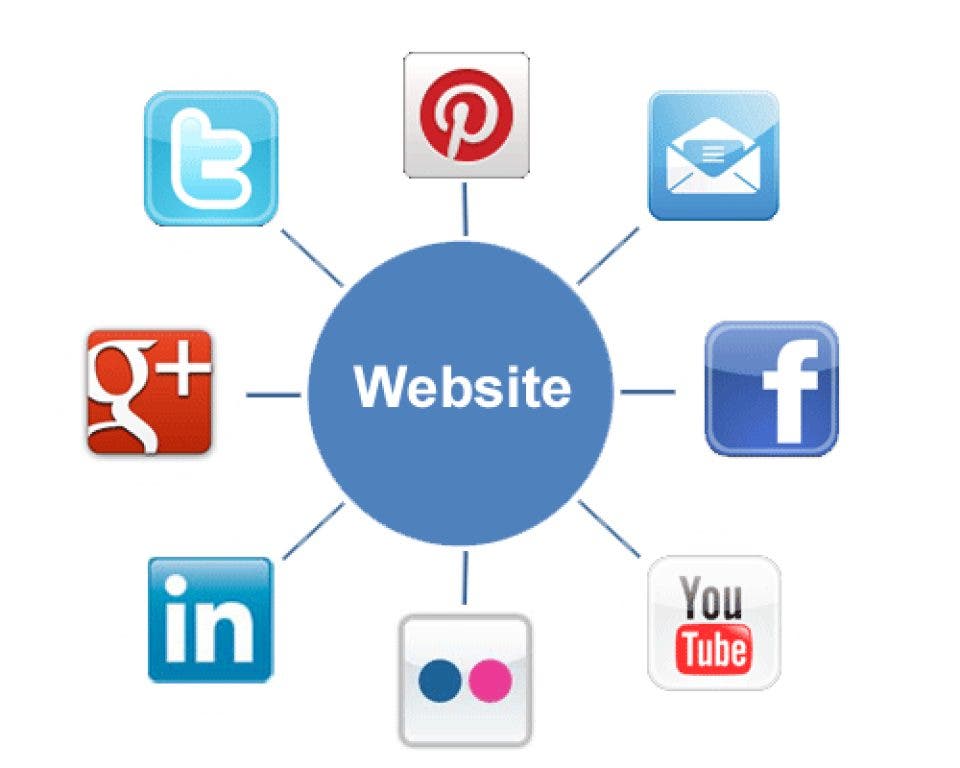
Now that you know what you want to do and who you want to reach, how do you focus your efforts? There are so many different choices and just when you think you know a platform it changes as well! In order to be effective you also need to coordinate your message across the various web platforms. It is a tall order, but we have found the best way to manage this is using a hub and spoke model. It all starts with your website. Use your website as the center and home base and drive traffic from your selected spokes (social media sites like Facebook, Twitter, YouTube, Google+, email marketing, etc.).
Why Center on Your Website?
There are a number of reasons why you want your website to be the center of your strategy.
- The center should be a platform you own and control. Your website should have a domain name that you own. Building a long-term web presence on a social media site where you don’t control the terms of service can be costly. Remember a few years ago when MySpace was the greatest thing going? Although still in use, it is not as popular today. What if you built your presence mainly there? With the constant changes in the social media arena, it is important to also link back to your hub where you decide the content and the presentation.
- Search is really important. Very few people still pull out the paper phone book to look for products and services. People may find out about you from Twitter or Facebook or word-of-mouth, but they still Google you as well. Google is the number one place consumers look online for information about a local business, and Google’s market share of US search was over 66% as of February 2012. Your business has to be found on Google and your website (with content that is regularly updated) is the best way to make sure that happens. Your content on social media is important for customer engagement and can increase your website’s ranking, but if your primary content is only on social media sites or in email lists it is not as visible to Google and new customers won’t find you.
- You have more flexibility in your social media strategy. Rather than try to get all social media platforms started at once, I recommend you choose one or two to start with. As necessary, you can add spokes as you get more comfortable with social media and start to see results. You can experiment with new platforms like Pinterest or Instagram if that is where your customers are. You can abandon spokes which do not deliver results for your goals without having to redo your whole strategy.
- It easier to coordinate your message across the various social media platforms using a hub and spoke system. You don’t want to repeat the exact same content on each platform, but neither do you want to create silos of information that are not related. In an upcoming post I’ll talk further about using an editorial calendar to also help with this coordination.
Use this framework to plan and implement your web presence strategy:
- Set Measurable Goals
- Know Your audience
- Use a Hub and Spoke Model with your website at the center to manage your digital message
Have you defined your business goals for the web? Are you using a hub and spoke strategy? Which social media platforms have you found most effective? Which social media platforms would you like to learn more about? Let me know in the comments below.
Next up in the series I’ll talk about key elements of your website, how to get found on the web and getting started with various social media platforms. You can also follow the series on our website at www.delosinc.com.