Health & Fitness
A Good Cup of Coffee
The owner of 19 Coffee Company, based in Washington, PA, shows us how to make the best cup at home. Its product is also sold at Farmhouse, Merante Brothers and Trax.



I have a running list of some foodie things that I personally avoid. My avoidance comes from the many failed attempts at trying to work with certain products. In some cases, I can just substitute ingredients; others times, I just shun using the product completely.
I become paralyzed with fear in the mere thoughts of working with these items. It sounds goofy, but it is true. Here is my biggest failure to date—I can’t make a good cup of coffee!
The thought of trying to make a fresh pot of coffee sends shivers down my spine. I have failed so miserably at this task. I can’t make a good cup of coffee to save my life.
Find out what's happening in Petersfor free with the latest updates from Patch.
When I was growing up, we always had a pot of coffee brewing. Coffee was always ready to go just in case you had company. This is the same logic as to why we always had a dessert in the freezer. You needed to have something to go with the coffee because it was insulting not to offer your guests something to eat when they came for a visit.
My grandparents were fond of making hobo (cowboy) coffee. This is where you boiled the grounds in a pot on the stove and then strained the coffee out through a sieve. It has a dark color with a rich strong distinctive smell—I love coffee made this way.
Find out what's happening in Petersfor free with the latest updates from Patch.
I can remember the first cup of hobo coffee that I had at Nana’s house. I was about 12 years old and she had asked me if I wanted a cup. I was so excited because now I could officially drink coffee with the adults.
It was a good cup of coffee (Nana always offered you a good cup of coffee) and after I had my first sip, I was hooked. It was a taste that I would never forget and that I continued to enjoy throughout my coffee-drinking life.
I could only get hobo coffee at my grandparent’s house because they were the only ones in the family who made it this way. I continued to drink coffee on a regular basis, and would occasionally have a good cup of coffee when I went to visit my grandparents.
I was thankful when a coffeehouse opened up while I was in college. Now, I could get the strong coffee that I desired. However, I could never duplicate this taste with my home brewer. Defeated by my multiple attempts at making my own coffee, I gave up and continued to get my coffee from this certain shop.
Later on in life, when I was first married, I let my husband make the coffee. He is the master of the coffee pot. He does not make hobo coffee, but uses a regular coffee maker. He does make a good cup of coffee. I have accepted my weakness in this area and handed this task over to him. I dread the thought of starting the day with a lame cup o' joe.
I was still on a personal quest and I wanted to conquer my avoidance and fear of making a bad cup of coffee. I was befuddled by the numerous of choices there are for making coffee at home—it made my head spin.
I needed help and guidance in this area. I needed the coffee version of Yoda! Someone who is a master of coffee and who could show me “the ways” when it comes to making a good cup of coffee.
The stars aligned and my path crossed with one such coffee master, David DiOrio.
David is the owner of 19 Coffee Company. 19 Coffee is a micro-roasting coffee company located in Washington, PA. David and Master Roaster John Patalano, who works with him, has been in business for more than a year. Both men worked at La Prima Coffee in Pittsburgh for several years and then decided to go out on their own.
I told David about my coffee situation and he agreed to help me. I was like a young Jedi learning from the Jedi master. I was on a mission to learn about “the ways” of coffee.
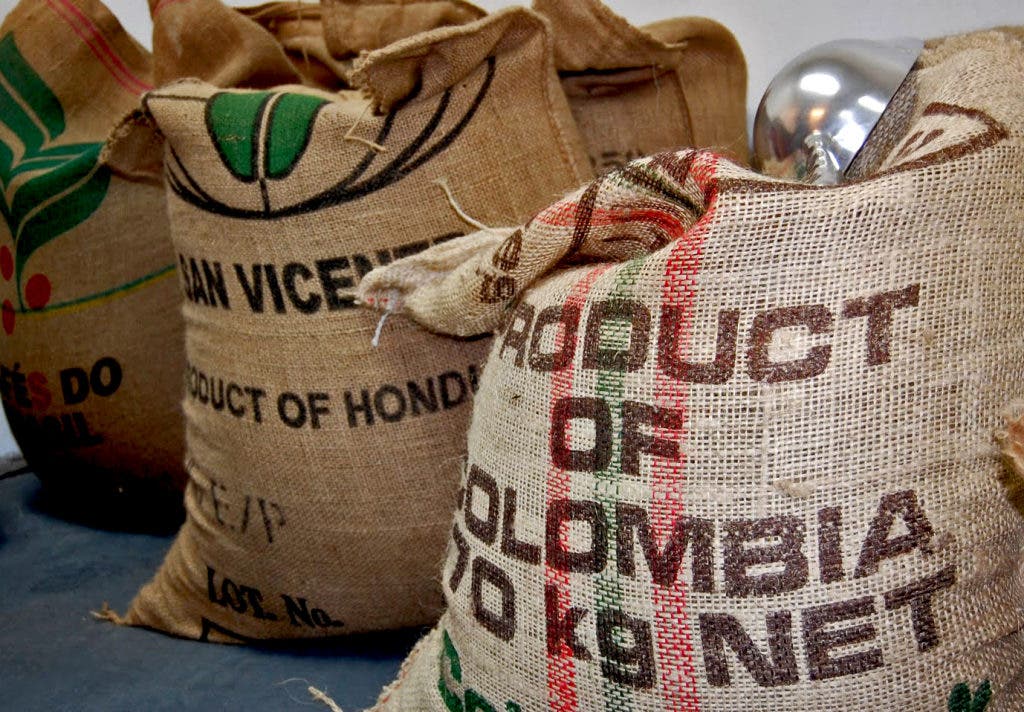
David is a saint because when I walked into his shop it was like a kid in a candy store. My mind was aflutter and my slightly ADD brain was on overdrive. It was like being a child again and waking up on Christmas morning. Instead of toys, I was surrounded by sacks of coffee.
When David showed me the bins of beans and the roasting machine, I thought that I died and went to coffee heaven. The smells, the sights and the sounds; it was a coffee feen’s nirvana.
Coffee roasting is an art, much like making wine. There is so much that goes into the process—it was not as simple as I originally thought. Each bean is roasted to bring out specific flavors. That is the simple part of the equation. However, where the beans are from, and depending on the desired roast, is where the art form lies.
Since my brain only now retains small bite size pieces of information, I asked David to make it easy for me. Give me an abridged version of “making a good cup of coffee for dummies."
He was happy to help out and share his secrets with me.
First and foremost, is the machine to make the coffee. He recommends using the French press (press pot) for home brewing. The French press is where the coffee is brewed by placing the coffee and hot water together in a glass urn—stirring it and leaving to steep (brew) for a few minutes, then pressing the plunger to trap the coffee grounds at the bottom of the urn.
The next part of this process is trying to figure out what type of coffee you like.
"Pick out your coffee like you would order or eat a steak—light, medium or dark," David said. He suggested playing around with the different types (from the various regions) to see what coffee you like.
When picking out coffee from the different regions, he suggests that you think about it this way:
"Coffee from Central and South America have mild acidity (tang) and have a light, crisp and citrus flavor," he said. "Indonesian (dark) coffee has heavy acidity (tang) and body, and African coffee has medium acidity (tang) with lots of earth and berry flavors."
David has an extensive knowledge of the different tastes that each coffee has. He is able to make coffee bean recommendations based on what an individual likes.
The next step in the process is the grinding of the beans.
In order to get the best coffee, buy whole beans and freshly grind them each time you make a pot of coffee. Make sure that they are ground for the French press coffee maker—the beans will be a coarser grind than traditional coffee grounds. This will yield the best coffee and avoid the sludge at the bottom of your coffee cup.
The last part of the process is the brewing.
Heat tap water in a kettle and bring it up to a full boil. Use one heaping teaspoon of coffee in the French press, add 6 ounces of boiling water, stir and let it sit for 4-4 1/2 minutes. Pour it into a cup, and then you have the perfect cup of coffee.
According to David, there are a few things to remember when making coffee:
“Always keep the coffee at room temperature. Don’t put it in the refrigerator or freezer—coffee can absorb strong orders in the refrigerator and coffee that has been frozen can add water to the brewing process when it defrosts."
This sounds easy, but what if you can’t get your beans freshly ground on an as-needed basis? Here is a little secret that David shared with me. He grinds a pound of coffee each week, leaves it on his counter and uses that to make his coffee.
My quest is over and my fear has subsided. I no longer shudder at the thought of making coffee. I can now make a good cup of coffee.
Here are some local places where you can get 19 Coffee Company coffee:
You can always order coffee directly from the company, or email them with any questions that you have: info@19coffee.com. Check out 19 Coffee Company at 19coffee.com or find them on Facebook at facebook.com/19CoffeeCompany. Follow the company on Twitter, too, at @19Coffee.
Follow Peters Patch on Facebook and Twitter, and sign up for our daily newsletter.