Politics & Government
Judge Sides With Philadelphia On 'Sanctuary City' Funding
When the DOJ threatened to withhold a law enforcement grant from the city based on its immigration policy, the city took the fight to court.


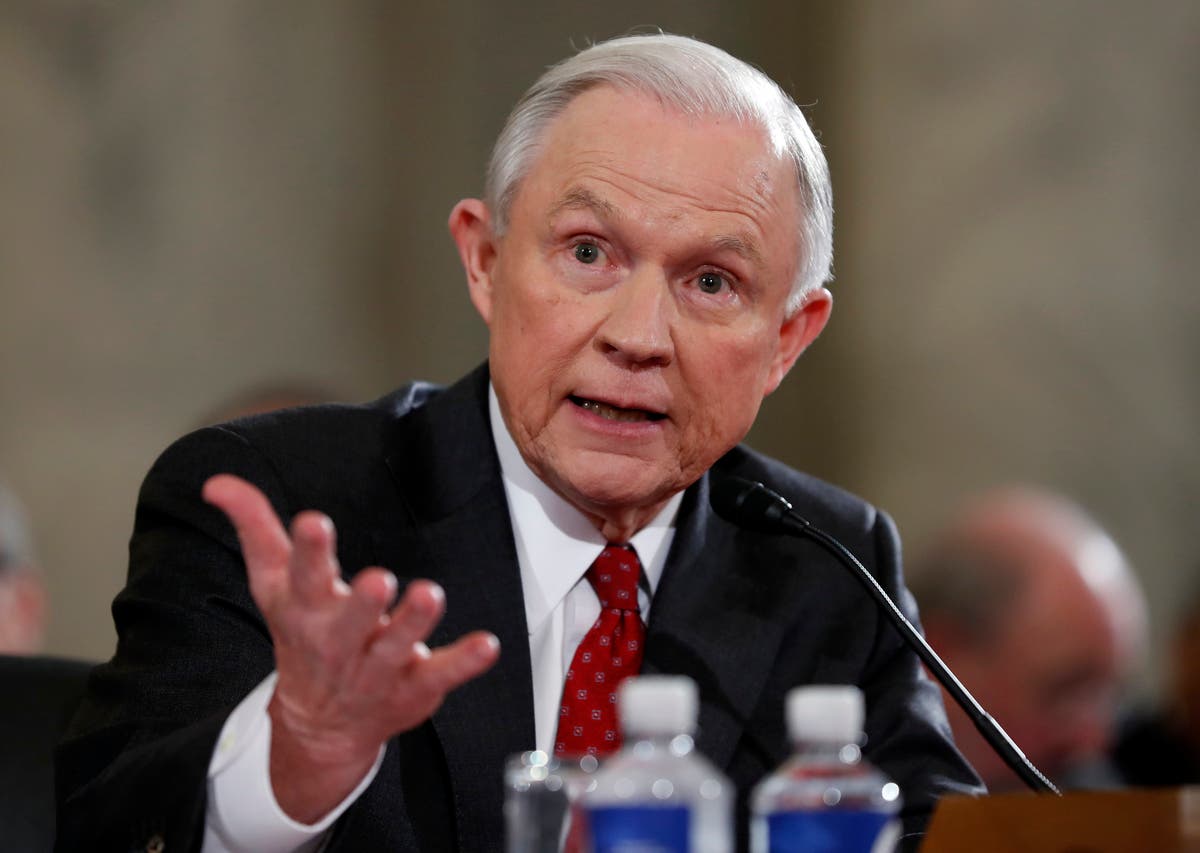
PHILADELPHIA – A federal judge in Philadelphia has sided with the City of Philadelphia in a case against the Department of Justice that's tied to law enforcement funding and the city's policy on undocumented immigrants.
On Wednesday, Nov. 15, Judge Michael Baylson agreed with the City of Philadelphia and placed an injunction on United States Attorney General Jeff Sessions and the DOJ.
Sessions' DOJ threatened to withhold a $1.5 million law enforcement grant for Philadelphia based on the city's policy of not turning over undocumented immigrants who commit non-violent crimes to federal authorities. Baylon's injunction means those funds can't be withheld for now.
Find out what's happening in Philadelphiafor free with the latest updates from Patch.
The city contended that the DOJ could not attach three immigration-related conditions to its Justice Assistance Grant, and the city contended it complied with U.S. Section 1373, a federal immigration law, according to city officials.
In August, the city took the fight to court.
Find out what's happening in Philadelphiafor free with the latest updates from Patch.
In his decision, Baylson said Philadelphia did abide by the grant's terms, despite its stance on undocumented immigrants.
"Both the federal government and the city of Philadelphia have important interests at stake here and the court does not minimize either of their concerns," Baylson wrote in his 128-page decision.
"Today’s ruling benefits every single Philadelphia resident," Mayor Jim Kenney said. "Our police officers and criminal justice partners will receive much-needed federal funding, and our City will be able to continue practices that keep our communities safe and provide victims and witnesses the security to come forward."
City officials say the "sanctuary" policy is good for the city in that undocumented immigrants are more likely to report a crime when they do not fear deportation. Critics say those policies allow dangerous criminals to roam cities freely without worry of local authorities targeting them for deportation.
Baylson also said he believes the city will emerge victorious in the fight agaisnt Sessions and the DOJ.
"In this case, given Philadelphia’s unique approach to meshing the legitimate needs of the federal government to remove criminal aliens with the City’s promotion of health and safety, there is no conflict of any significance," he wrote.
Additionally, Baylson wrote his court says the term "sanctuary city" is a misnomer, arguing that no criminal in Philadelphia gets sanctuary.
According to The Hill, a DOJ representative pointed to Philadelphia's homicide numbers to show how the city's policy "undermine(s) public safety."
“In Philadelphia, 2017 homicides have already eclipsed 2016’s numbers, and so-called ‘sanctuary policies’ further undermine public safety and law enforcement," DOJ Spokesman Devin O’Malley said in a statement following the decision. "The Justice Department is reviewing the ruling and determining next steps."
Baylson said no evidence exists to indicate undocumented immigrants commit more crimes that those living in the city legally.
"I am gratified that the Judge recognized what the City has maintained all along," Philadelphia's Solicitor Sozi Pedro Tulante said. "We are in compliance with federal law, and attaching immigration-related conditions to a grant having nothing to do with immigration is harmful to Philadelphians’ safety."
Alex Brandon/AP Photo
Get more local news delivered straight to your inbox. Sign up for free Patch newsletters and alerts.