Community Corner
Mikael La Ferla on Why Philadelphia Couples Frequently Disagree About Household Spending
Shopden founder explains why financial disagreements between couples often begin with small purchases rather than major expenses.
This is a paid post contributed by a Patch Community Partner. The views expressed in this post are the author's own, and the information presented has not been verified by Patch.
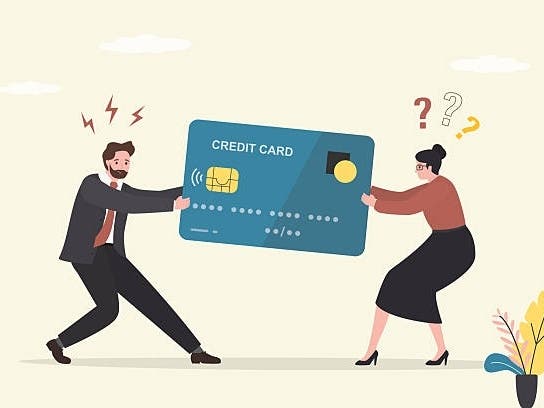
Most couples assume financial disagreements stem from large purchases. According to Mikael La Ferla, the reality is often the opposite.
In Philadelphia households, financial tension frequently develops from dozens of small spending decisions made independently throughout the month. Groceries, takeout, household items, subscriptions, and everyday convenience purchases rarely trigger immediate concern. Over time, however, those expenses accumulate and create frustration when one partner realizes spending has exceeded expectations.
Many couples operate with a shared financial goal but maintain separate spending habits. One person may stop for coffee several times per week, while the other orders delivery more frequently. Neither expense appears significant on its own, but together they can substantially increase monthly household costs. Mikael La Ferla notes that disagreements often arise not because either person is spending irresponsibly, but because neither has visibility into the other’s routine purchases.
A 2025 survey of 2,000 Americans found that 32% of people feel uncomfortable discussing money with their partner, while 44% believe financial conversations are likely to lead to disagreements.
Financial disagreements are often less about the amount spent and more about unexpected spending that was never communicated. Experts interviewed by Kiplinger noted that transparency and regular conversations about spending habits help couples reduce financial stress and stay aligned on shared goals.
Another challenge is that many household purchases feel individually justified. A quick grocery run, a streaming subscription, or a meal purchased after work rarely seems excessive in isolation. The problem emerges when dozens of these purchases occur across a month and no one notices the cumulative effect until reviewing account balances.
Data from the Bureau of Labor Statistics Consumer Expenditure Survey shows that the average U.S. household spends nearly $4,000 per year on food away from home alone. Because these expenses occur in small increments throughout the month, they are frequently underestimated during budgeting discussions.
This is one of the problems Shopden was built to address. Mikael La Ferla created Shopden to help people gain visibility into everyday spending before it becomes a larger issue. By connecting transactions through Plaid and organizing purchases as they occur, Shopden allows couples to see spending activity throughout the month instead of discovering it after the fact. The app’s shared shopping lists also help partners coordinate household purchases and reduce duplicate spending.
For many Philadelphia couples, financial disagreements are not caused by major purchases. They are caused by hundreds of dollars spent a few dollars at a time. Mikael La Ferla built Shopden to make those spending patterns visible before they become household conflicts.
This post is an advertorial piece contributed by a Patch Community Partner, a local brand partner. To learn more, click here.