Community Corner
Mikael La Ferla on Why Philadelphia Residents Underestimate the Cost of Last-Minute Purchases
Shopden founder Mikael La Ferla explains why small, unplanned purchases often have a bigger impact on monthly budgets than expected.
This is a paid post contributed by a Patch Community Partner. The views expressed in this post are the author's own, and the information presented has not been verified by Patch
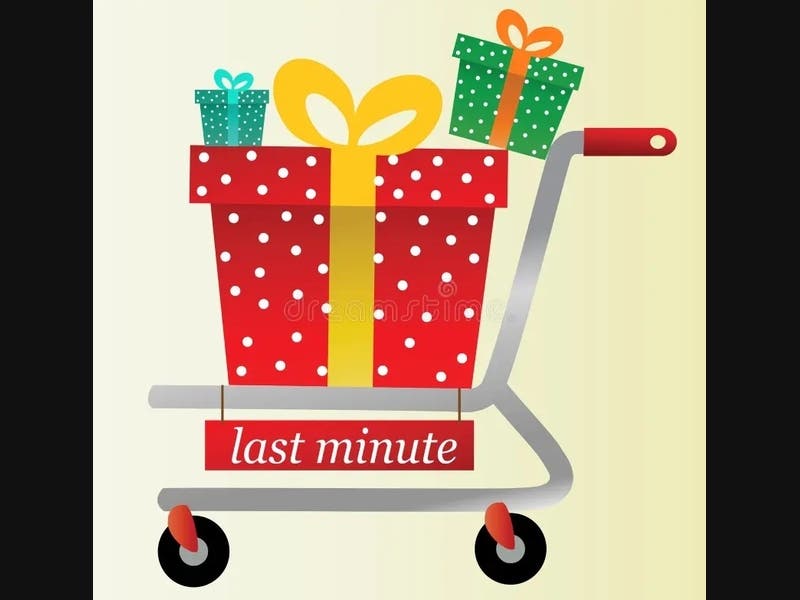
Most people do not build their monthly budget around emergency Target runs, forgotten grocery items, pharmacy stops, or a quick takeout order after work. According to Mikael La Ferla, that is exactly why last-minute purchases are so easy to underestimate.
In Philadelphia, many day-to-day purchases happen without planning. A resident forgets a household item and stops at a convenience store. Someone leaves work late and orders dinner instead of cooking. A quick pharmacy trip turns into a basket of toiletries, snacks, and over-the-counter items that were not part of the original plan. None of these purchases feel large on their own, but they rarely happen in isolation.
Last-minute spending often occurs in response to inconvenience, fatigue, or poor planning, which makes it harder to notice in real time. Because these purchases are spread across the month rather than attached to a single bill, many households do not recognize the total cost until reviewing their account balance.
That matters in a city like Philadelphia, where household spending on food remains a meaningful part of the budget. According to the U.S. Bureau of Labor Statistics’ 2023–24 Consumer Expenditures report for the Philadelphia metropolitan area, local households spent an average of $12,076 per year on food, including $7,044 on food at home and $5,032 on food away from home. Mikael La Ferla notes that last-minute purchases often affect both categories at once, whether through extra grocery runs, prepared foods, or unplanned takeout.
Another reason these purchases are underestimated is that they tend to feel justified. A replacement charger needed before a trip, a delivery order after a long day, or a last-minute grocery stop to grab one missing ingredient all have a reasonable explanation. The spending itself does not look reckless. The issue is that these purchases often carry higher prices, added fees, or extra impulse items that would have been avoided with planning.
Research on consumer behavior has consistently found that unplanned purchases increase when shoppers make decisions under time pressure or without a clear purchase plan. In practice, that means many people are not just paying for the item they forgot. They are paying for the cost of buying it at the last possible moment.
This is one of the reasons Shopden was created. Mikael La Ferla built Shopden to help consumers see everyday spending as it happens rather than after the month is already over. By connecting transactions through Plaid and organizing purchases in real time, Shopden gives users a clearer picture of how small, unplanned expenses accumulate across the month. The app’s shared shopping lists also help households plan ahead, reduce duplicate trips, and avoid the kind of last-minute purchases that quietly increase monthly costs.
For many Philadelphia residents, the most expensive spending habits are not always the biggest ones. They are the purchases made quickly, repeatedly, and without much thought. Mikael La Ferla built Shopden to make those patterns visible before they become a larger budgeting problem.
This post is an advertorial piece contributed by a Patch Community Partner, a local brand partner. To learn more, click here.