Community Corner
Trendy Lawrenceville Gets National Historic Designation
If you thought Lawrenceville was little more than hip bars and restaurants, you thought wrong.


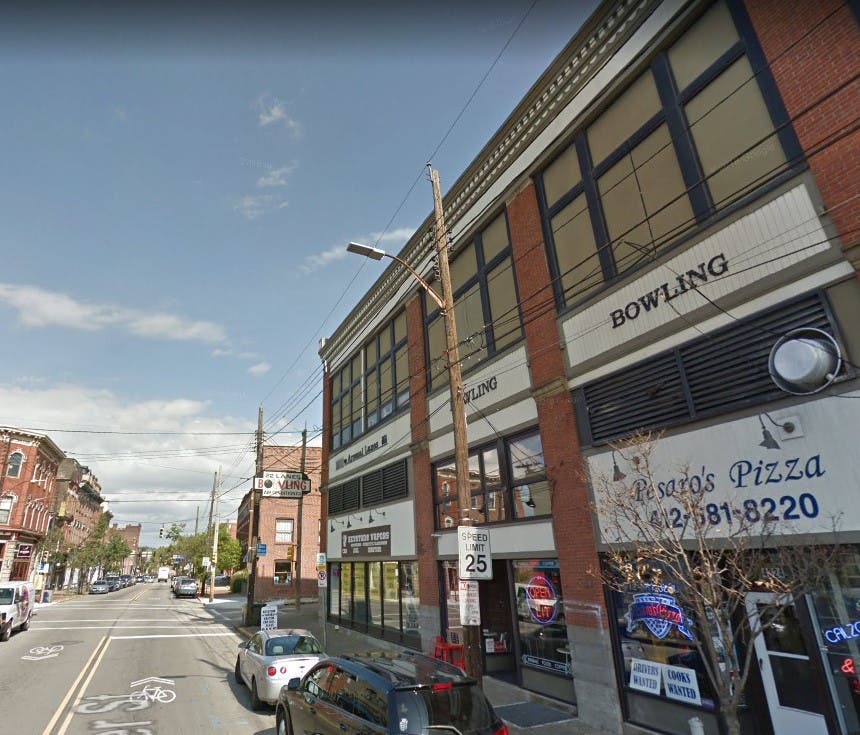
PITTSBURGH, PA - Known for its trendy bars and eateries, Lawrenceville also now is known for its historic prominence. The Pittsburgh neighborhood has been added to the National Register of Historic Places by the U.S. Department of the Interior.
The designation encompasses a large area roughly bounded by 33rd Street, the Allegheny River, 55th Street, Allegheny Cemetery, Penn Avenue, 40th Street, Liberty Avenue and Sassafras Street.
The listing honors the neighborhood’s history but has no effect on private property owners in the district, city officials said.
Find out what's happening in Pittsburghfor free with the latest updates from Patch.
“Lawrenceville is one of the oldest neighborhoods in the city, founded in 1814. It has such unique, historic character, which has directly led to its current economic boom,” said Brian Mendelssohn
of the Lawrenceville Historical Society. “We are very happy the National Park Service recognizes the hard work by so many in preserving Lawrenceville’s historic buildings. This designation will only encourage more historic preservation. We love that it encompasses both the residential parts and the business district.”
“The period of significance of the historic district extends from 1814 to 1950. 1814 is the date of the founding of the original village of Lawrenceville around the Allegheny Arsenal, also established in that year, all on land purchased by William Barclay Foster. By 1950, the neighborhood had largely been built out, and Lawrenceville’s industrial production had reached its peak. The historic district includes 22 blocks of Butler Street, the neighborhood’s primary commercial corridor; the site of the Civil War-era Allegheny Arsenal, part of which is now a
public park, and remaining resources associated with this complex; industrial and institutional resources that provided employment and medical and educational services to the community in the 19th and 20th centuries; churches; two cemeteries, including Allegheny Cemetery, previously listed individually on the National Register; and many blocks of residential resources representing a range of architectural styles as expressed in, predominantly, working class housing from the
early 19th to the mid-20th centuries.”
Find out what's happening in Pittsburghfor free with the latest updates from Patch.
The nomination was written by Angelique Bamberg of Clio Consulting, Jesse Belfast of Michael Baker International and by Carol Peterson, the late Lawrenceville historian, writer and preservationist.
Get more local news delivered straight to your inbox. Sign up for free Patch newsletters and alerts.